



A Doctor on a Mission
Anil Menon’s journey to the International Space Station (ISS), which began on July 14, 2026, is the culmination of a remarkable career spanning medicine, military service, and aerospace innovation. The son of Indian and Ukrainian immigrants, Menon grew
up in Minneapolis, Minnesota, before pursuing neurobiology at Harvard and then medicine and engineering at Stanford. His path was anything but conventional. He spent a year in India as a Rotary Scholar supporting polio vaccination efforts and served as a first responder during earthquakes in Haiti and Nepal. As a U.S. Air Force flight surgeon, he gained experience in extreme environments, even providing medical care for climbers on Mount Everest. This unique background prepared him for his role as SpaceX’s first-ever flight surgeon, where he was instrumental in developing the medical program that supported the company’s historic first human spaceflights, including the Demo-2 mission. Selected by NASA in 2021, Menon’s current eight-month mission is his first trip to space, bringing his diverse expertise to the forefront of space medicine.
The Challenge of Deep Space
Living in space is fundamentally challenging for the human body, which is finely tuned to Earth’s gravity. For the short hops to the ISS, these effects are manageable. But for long-duration missions to the Moon or Mars, they become mission-critical risks. Without the constant pull of gravity, fluids shift upwards into the head, potentially causing vision problems known as Spaceflight Associated Neuro-ocular Syndrome (SANS). Bones lose density, muscles atrophy, and the cardiovascular system deconditions. Beyond low-Earth orbit, astronauts also face significantly higher doses of space radiation, which increases the risk of long-term health issues. A key challenge for Artemis and future Mars missions is medical autonomy. With communication delays measured in minutes or hours and no possibility of a quick medical evacuation, crews must be able to handle health emergencies on their own, from diagnosis to treatment.
Pioneering Medicine in Microgravity
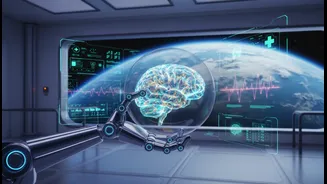
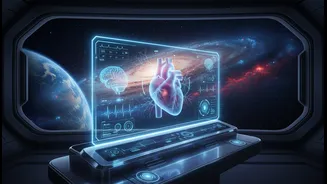
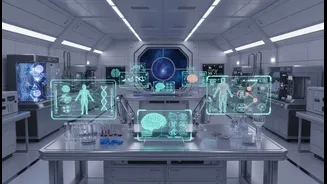
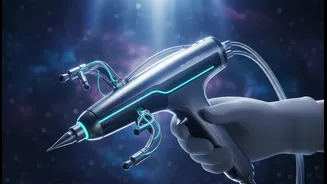
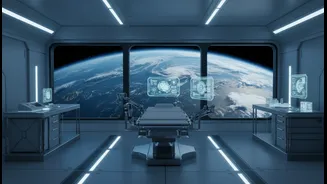
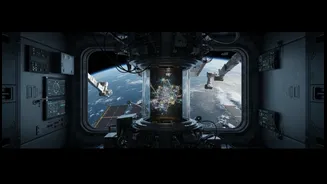
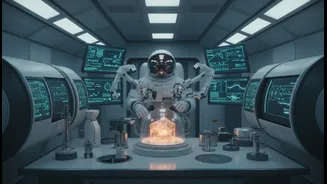
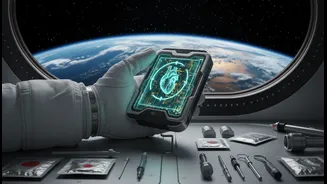
The experiments Menon is conducting directly address these deep-space challenges. One of his primary tasks involves testing an ultrasound system that uses augmented reality and artificial intelligence. The goal is to create a system that can guide a non-medical expert through complex diagnostic procedures, effectively eliminating the need for real-time support from doctors on Earth—a necessity for a Mars mission. Another critical investigation focuses on producing intravenous (IV) fluids from the station’s own potable water supply. The ability to create medical supplies on-demand would be a game-changer for long voyages where carrying everything from the start is impractical. Menon will also conduct extensive studies on how microgravity affects blood flow, vein structure, and blood composition, providing crucial data on the long-term physiological toll of spaceflight. These medical experiments are complemented by technology demonstrations, such as refining the in-space production of semiconductor crystals, which could lead to more powerful computers.
The Artemis Generation's Foundation
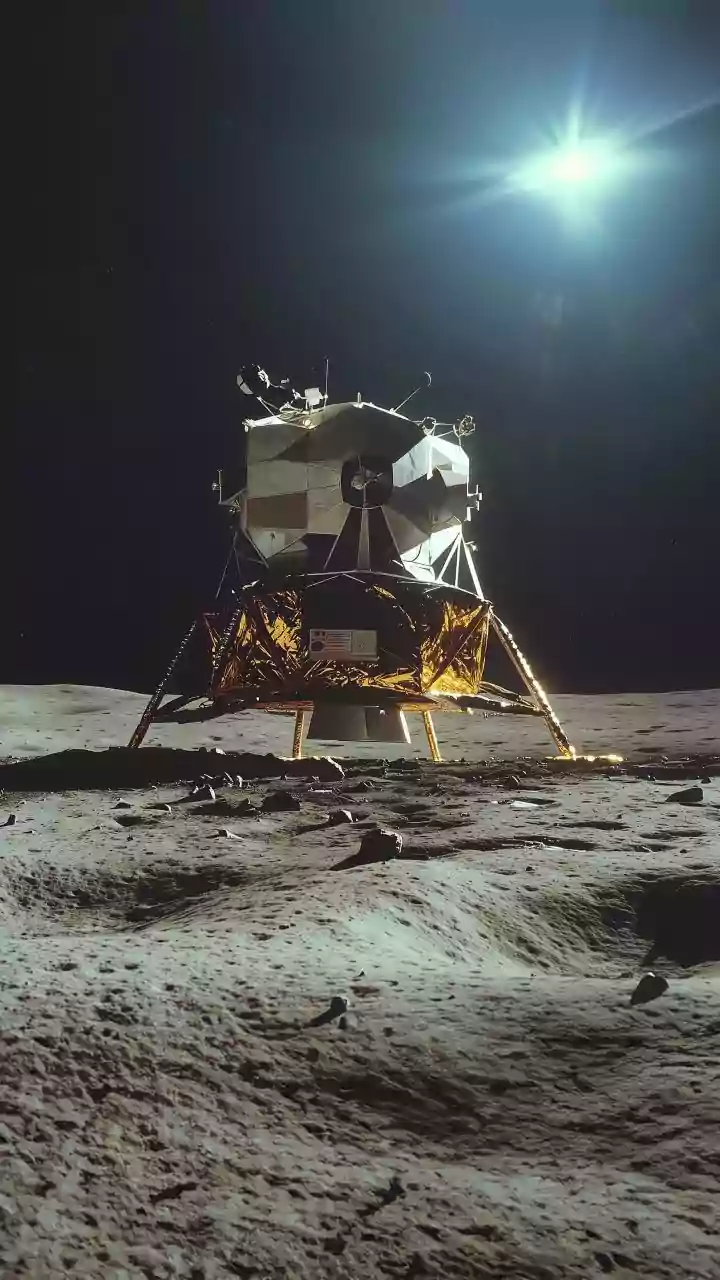
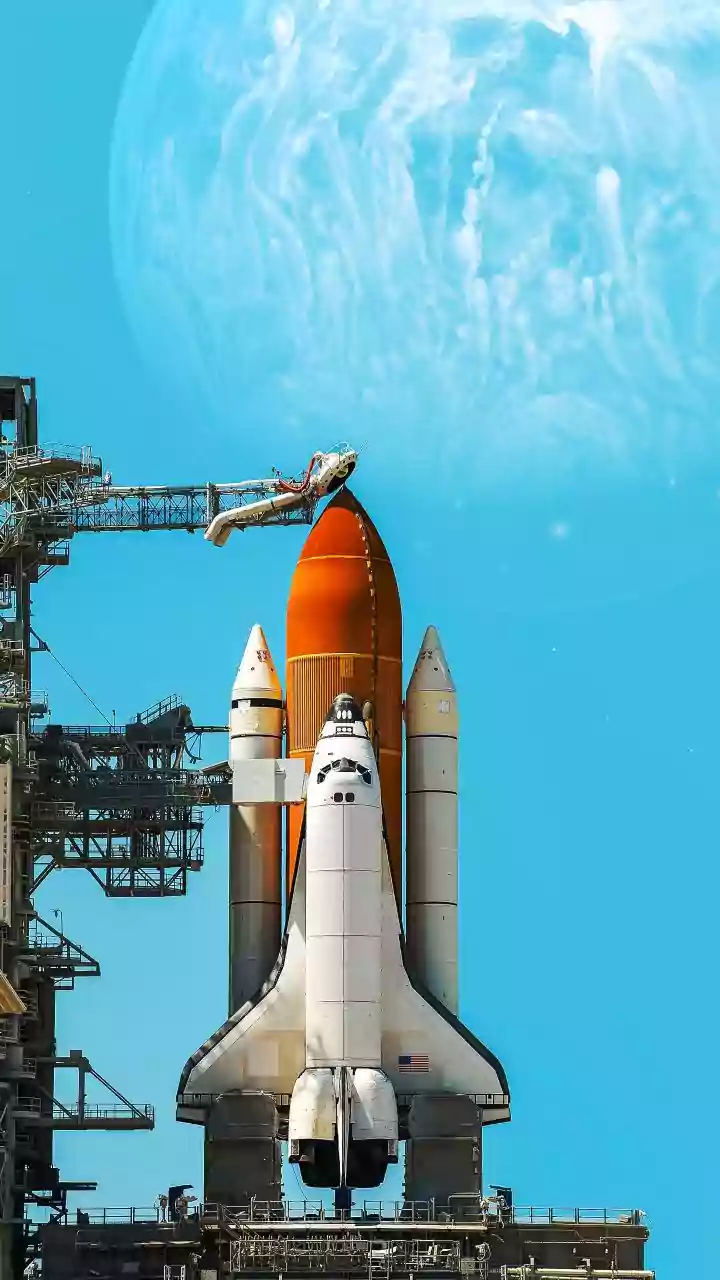
Every experiment conducted aboard the ISS is a building block for humanity’s next giant leap. While the Orion spacecraft and massive Space Launch System rocket are the visible hardware of the Artemis program, the work being done by Menon and his colleagues is the essential human software. Understanding how to keep astronauts healthy for months or years far from home is not just a secondary goal; it is a prerequisite for success. The data from Menon’s physiological studies will inform everything from astronaut exercise regimens to the design of future spacecraft shielding. The technologies he is helping to validate, like AI-assisted diagnostics and on-demand IV fluid production, will become standard items in the medical kits of the first astronauts to establish a base on the lunar surface. This research transforms the ISS from a simple orbiting laboratory into a vital proving ground for the technologies and procedures that will one day make a sustainable human community on the Moon a reality. Menon is part of the 'Artemis Generation'—the group of astronauts whose work today will directly enable the explorers of tomorrow.