


More Than Just Clean Floors
While keeping your home tidy is a major benefit, the most important reason to clean your dog’s paws is for their health. Paws are exposed to much more than just dirt and mud. They can pick up allergens like pollen, harmful bacteria, and chemicals from
pesticides or road salt used in winter. When dogs groom themselves by licking their paws, they can ingest these potentially toxic substances. Regular cleaning helps prevent skin irritation, infections between the toes, and allergic reactions. It also gives you a daily opportunity to check for cuts, cracks, or any foreign objects that might be lodged in their paw pads, catching potential issues early.
Assembling Your Paw Cleaning Station
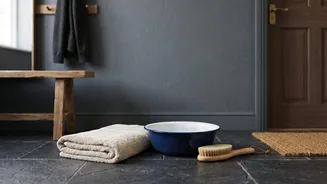
Creating an effective cleaning station doesn't need to be complicated or expensive. The goal is to have everything you need in one convenient spot to make the process quick and routine. Find a space near the entrance you use most often, like a mudroom, laundry room, or just inside the garage. Start with a waterproof, non-slip mat to contain any water and dirt. An absorbent doormat or a shallow tray can work well. Next, gather your supplies in a small basket or bin. You’ll need a stack of old, clean towels for drying, your chosen cleaning tool, and a stash of high-value treats to reward your dog for their cooperation.
The Right Tools for the Job
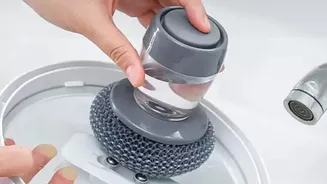
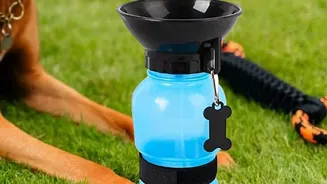
The best cleaning method often depends on how dirty your dog is. For light, daily cleaning after a dry walk, pet-safe grooming wipes are a convenient and quick option. Look for wipes that are hypoallergenic and free from alcohol or harsh fragrances. For muddier days, a more thorough wash is necessary. Lukewarm water is the gold standard, as it effectively loosens grime without being too harsh on sensitive pads. You can use a shallow basin of water, a portable paw washer cup with soft silicone bristles, or a no-rinse foaming cleanser. If soap is needed, always use a mild, dog-specific shampoo and be sure to rinse thoroughly. Never use baby wipes or other human products, as their ingredients can be irritating or harmful if licked.
From Chore to Cherished Routine
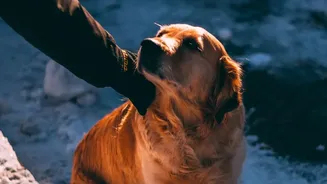
Many dogs are sensitive about having their paws handled, so turning cleaning time into a positive experience is key. If your dog is hesitant, start slowly. Begin by simply touching their paws for a moment and then giving them a treat. Gradually introduce the towel or cleaning tool, always followed by a reward. Keep sessions short and positive, and never force the interaction. By associating paw cleaning with praise and their favourite snack, your dog will begin to see it as a rewarding ritual rather than a stressful event. Consistency is crucial; making it a predictable part of your post-walk routine helps your dog understand what to expect and become more cooperative over time.