

Kyoto's Fushimi Inari Shrine
Famous for its thousands of vibrant red torii gates winding up a mountainside, Fushimi Inari is a quintessential Kyoto experience. The shrine is open 24/7 and free to enter, which makes it a magnet for visitors all day long. The worst crowds build from
mid-morning until late afternoon. To get those serene photos without a constant stream of people, your best bet is to arrive very early, ideally between 7:00 and 8:00 AM, before the tour buses descend. Another effective strategy is to visit late in the evening when the lanterns create a mystical atmosphere. Don't be discouraged by the crowds at the base, either; the further you climb the 2.7-mile loop trail, the thinner the crowds become, rewarding you with peace and quiet.
Tokyo's Shibuya Crossing
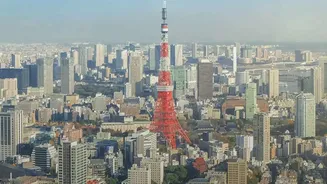
Known as the world's busiest intersection, Shibuya Crossing is a mesmerizing spectacle of organized chaos. While the peak evening rush hour showcases its incredible scale, it can be overwhelming. For a less intense experience, try visiting early in the morning or late at night. Instead of trying to capture a photo from the middle of the scramble (and getting bumped by locals on their commute), find a better perspective from above. Excellent viewpoints include the Starbucks in the Tsutaya building or the observation decks at Shibuya Sky or Magnet by Shibuya 109, which offer panoramic views of the entire intersection safely away from the flow of foot traffic.
Kyoto's Arashiyama Bamboo Grove
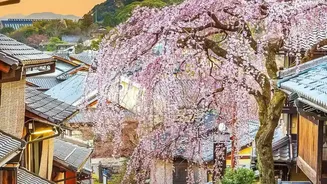
Walking through the towering stalks of the Arashiyama Bamboo Grove is an otherworldly experience, but its fame means the main 500-meter path gets incredibly congested. Like Fushimi Inari, the grove is always open and free to visit, so timing is everything. To experience its tranquil beauty, you must arrive just after sunrise, before 8:30 AM. Visitors who get there between 6:00 and 7:00 AM often report having the path almost entirely to themselves. Another tip is to visit on a weekday rather than a weekend to avoid local traffic. If you arrive when it's already busy, continuing your walk past the main path to the less-visited Okochi Sanso Garden at the far end can offer a more peaceful experience and great views.
Osaka's Dotonbori District
Dotonbori is Osaka's vibrant heart, famous for its dazzling neon lights, larger-than-life signage, and incredible street food. At night, the area is electric but also incredibly crowded. To see the sights without the shoulder-to-shoulder shuffle, explore the area early in the morning between 7:00 and 9:00 AM. While most shops will be closed, you can take unobstructed photos of the iconic Glico Running Man sign and giant crab. For dining, avoid peak meal times. Have a late lunch after 2:00 PM or an early dinner before 5:30 PM to skip the long queues at popular food stalls. Exploring the quieter side streets and alleys can also lead you to hidden culinary gems away from the main thoroughfare.
Mount Fuji Viewing & Climbing
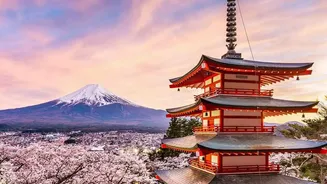
Seeing Mount Fuji is a highlight of any Japan trip, but this also means key viewing spots and climbing trails are packed, especially during the official climbing season in July and August. To avoid the worst of the crowds on the mountain itself, try to climb on a weekday and avoid the mid-August Obon holiday week. For crowd-free views, consider visiting the Fuji Five Lakes region in the shoulder seasons of spring or autumn. These periods offer beautiful scenery with cherry blossoms or fall colors and far fewer people. Another strategy is to seek out less-famous vantage points. Instead of the popular Chureito Pagoda, explore other areas around Lake Kawaguchiko or visit the more remote western lakes like Shoji and Motosu for stunning, peaceful views of Japan's most iconic peak.