







The Trend Explained
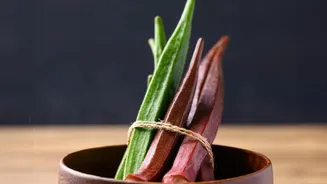
If your social media feeds are suddenly filled with glasses of slimy-looking water, you've encountered the okra water trend. The preparation is straightforward: fresh okra pods are sliced and soaked in water, typically overnight. The resulting liquid,
which takes on a gel-like consistency due to the vegetable's mucilage, is then strained and consumed. Proponents claim it’s a miracle elixir for hydration, digestion, skin health, and more. While the vegetable itself has deep roots in African and diaspora cuisines, this particular method of consumption has been popularised by wellness influencers online.
The Hydration and Health Claims
So, what's true? Let’s start with hydration. Drinking any water-based beverage will, of course, hydrate you. The mucilage from okra is a form of soluble fibre, which can be beneficial for digestion and may help you feel full, potentially aiding in weight management. Okra itself is a nutritional powerhouse, packed with vitamins C and K, potassium, folate, and powerful antioxidants. These nutrients are known to support the immune system, bone health, and overall well-being. Some small animal studies have even suggested that okra may help regulate blood sugar levels, which is one of the most studied claims. However, the key question is how many of these nutrients actually transfer into the water.
The Anti-Ageing Myth
This brings us to the more sensational claims, particularly regarding anti-ageing. The logic is that since okra contains antioxidants like vitamin C, which fight cell-damaging free radicals, okra water must be a fountain of youth. While a diet rich in antioxidants is certainly beneficial for long-term skin health, there is currently no scientific evidence to support the idea that drinking okra water will reverse wrinkles or act as a miracle anti-ageing solution. Experts agree that while the vitamins in okra can contribute to healthier skin, it’s a significant leap to call okra water an anti-ageing treatment. Eating the whole vegetable is a more reliable way to get these benefits.
Eating vs. Drinking: What's Better?
Most dietitians and health experts agree that you're better off eating the whole okra pod. When you simply drink the water, you're missing out on the insoluble fibre, which is crucial for gut health, and a significant portion of the vitamins and minerals that remain in the vegetable's flesh and seeds. Think of it like a teabag—while some flavour and colour seeps out, the bulk of the tea leaves stay in the bag. Eating okra in traditional dishes like stews or even roasted as a snack ensures you get the full spectrum of its nutritional benefits.
Are There Any Downsides?
For most people, okra water is generally safe, but it's not without potential side effects. Okra is high in fructans, a type of carbohydrate that can cause digestive issues like bloating and gas, particularly for people with Irritable Bowel Syndrome (IBS). It's also high in oxalates, which can contribute to the formation of kidney stones in susceptible individuals. Furthermore, its vitamin K content could interfere with blood-thinning medications. It’s always best to consult a doctor before jumping on a new health trend, especially if you have pre-existing conditions.