





Meet NASA's Tiny Heat Detectives
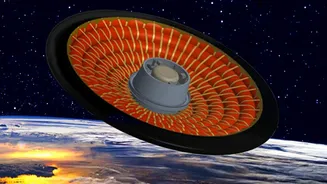
The mission behind this new data is called PREFIRE, which stands for the Polar Radiant Energy in the Far-InfraRed Experiment. It consists of two CubeSats, each no bigger than a shoebox, that were launched in mid-2024. These small but mighty satellites
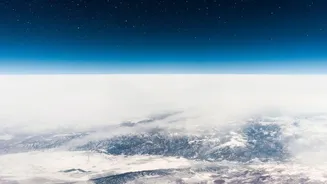
are equipped with advanced spectrometers designed to measure a type of energy that has been largely invisible to science until now: far-infrared radiation. This specific range of light is crucial because it accounts for nearly 60 percent of the heat Earth radiates back into space. Before PREFIRE, this process had never been systematically measured, leaving a significant gap in our understanding of the planet's energy budget.
A Two-Year Diary of Polar Heat
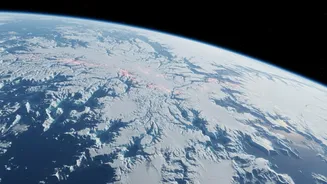
Since beginning their work in July 2024, the PREFIRE satellites have captured two complete seasonal cycles at both the Arctic and Antarctic. This continuous record provides an unprecedented look at how these regions breathe, thermally speaking. The data reveals the dramatic temperature swings between the dark, frigid winters and the milder summers. More importantly, it shows precisely when, where, and how heat escapes through the atmosphere. The key is measuring far-infrared light, which is strongly affected by water vapour and clouds. By tracking this energy, scientists can see how these atmospheric elements trap heat or allow it to escape, a process that is fundamental to the greenhouse effect at the poles.
Sharpening Our View of Climate Change
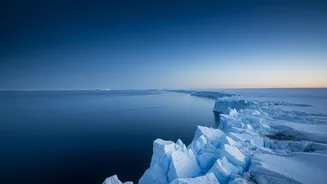
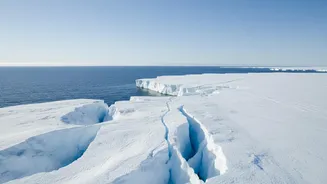
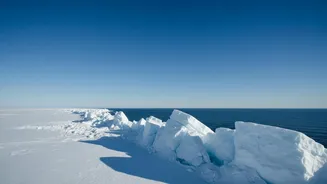
This two-year dataset is more than just a scientific curiosity; it's a critical upgrade for climate science. The climate models we rely on to predict future warming, sea-level rise, and weather patterns have had to rely on theoretical estimates for far-infrared radiation because direct measurements were missing. With PREFIRE's concrete data, scientists can now refine these models to more accurately reflect reality. Early findings have already shown that different types of ice surfaces can vary in how much far-infrared radiation they release by as much as 5 percent, a small number with big implications for calculating melt rates.
What Happens at the Poles, Affects the Monsoon
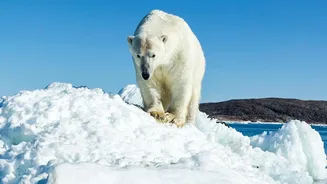
For India, the health of the polar regions is not a distant problem. What happens in the Arctic has a direct and increasingly understood connection to the Indian summer monsoon, which delivers about 80 percent of the nation's annual rainfall. Scientific studies have established a strong link between the decline in Arctic sea ice and changes in monsoon patterns. Specifically, less sea ice in the Arctic summer has been correlated with a westward shift and intensification of late-season monsoon rains over India. This is because the warming Arctic alters large-scale atmospheric circulation patterns that steer weather systems globally. By providing better data on polar warming, PREFIRE helps improve the models that can forecast these long-distance climate connections.