



Location Is About Darkness, Not Landmarks
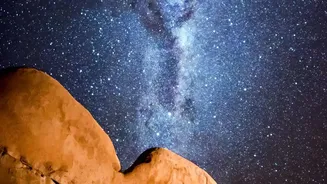
For most holidays, 'location' means proximity to beaches, museums, or restaurants. For a stargazing trip, the best location is defined by an absence of features—specifically, an absence of artificial light. This quest for darkness, known as astrotourism,
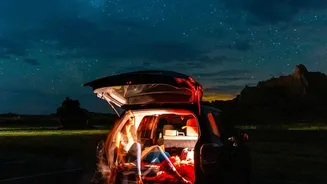
often leads travellers to remote areas far from urban conveniences. You'll need to research and identify places with minimal light pollution. A great starting point is the list of certified International Dark Sky Places, which are parks and communities recognized for their pristine night skies. Unlike booking a hotel in a city centre, this often means looking for accommodation in rural or wild areas, where options may be limited and require booking far in advance. Your destination isn't a city, but a clear, unobstructed view of the cosmos.
Timing Is Governed by the Moon and Sky
Sightseeing can be done almost any time of year, but stargazing is highly dependent on celestial schedules. The single most important factor is the lunar cycle. A bright full moon acts like a giant spotlight, washing out fainter stars and the Milky Way. The best viewing conditions are during the new moon phase, when the sky is at its darkest. This limits your ideal travel window to only a few nights each month. You also need to consider the season, as different constellations are visible at different times of the year, and weather patterns can be more favourable in certain months. Planning involves checking moon phase calendars and long-range weather forecasts, a level of temporal precision most ordinary holidays don't demand.
Your Packing List Looks Very Different
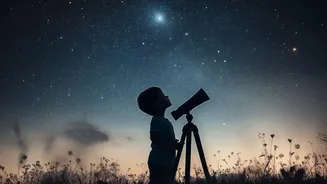
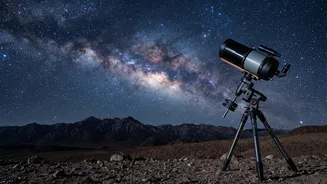
While a typical holiday checklist includes swimwear and walking shoes, a stargazing trip requires specialized gear. Even if you're not a professional astronomer, a good pair of binoculars is essential for viewing star clusters and the moon's surface. For those more serious, a portable telescope is an option, but even beginners need to think about night-vision-friendly lighting. A standard white flashlight can ruin your dark-adapted eyesight for up to 20 or 30 minutes, so a red-light torch is a must-have for navigating in the dark without compromising your view. You'll also need to pack for warmth, as even summer nights can get cold when you're sitting still for hours. Think layers, blankets, and a flask of something hot—items not typically prioritised for a beach getaway.
The Experience Demands Patience and Preparation
A sightseeing trip is often a fast-paced dash from one attraction to the next. Stargazing is the opposite; it's an exercise in patience. It can take 20 to 40 minutes for your eyes to fully adapt to the darkness, a state which can be instantly ruined by a quick glance at your phone screen. This means committing to being present and disconnected. Furthermore, you can't just step out and expect to see everything at once. You'll need a star chart or a specialized app (used in red-light mode) to identify constellations and planets. This preparation transforms the experience from passive viewing into an active exploration, requiring you to learn and engage with the sky in a way that looking at a famous monument does not.
Logistics Go Beyond Tourist Hubs
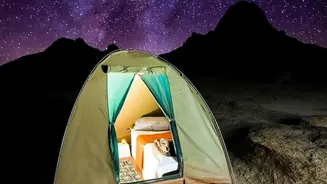
Ordinary holidays are supported by a massive infrastructure of airports, hotels, and tour operators. Stargazing often takes you off this beaten path. Getting to a dark sky park might involve driving long distances on rural roads. Accommodation could be a campsite or a small guesthouse rather than a major hotel chain. You need to plan for self-sufficiency, bringing your own food, water, and emergency supplies, especially if you're heading into a national park or remote reserve after dark. The focus shifts from convenience to experience, requiring a mindset more akin to an expedition than a leisurely vacation. This change in rhythm is part of the appeal, forcing a slower, more deliberate pace.