








More Than Just a Cup of Tea
For centuries, a warm cup of chamomile tea has been the go-to remedy for restless minds and sleepless nights. But now, creative home bakers and artisan bakeries are reimagining the humble flower, moving it from the teacup to the mixing bowl. The trend
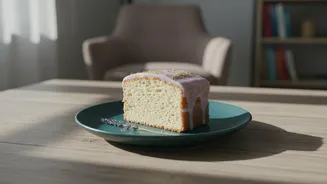
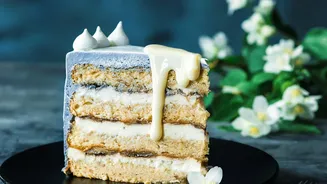
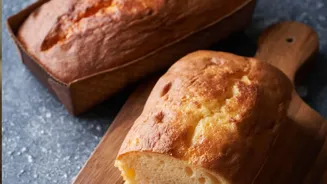
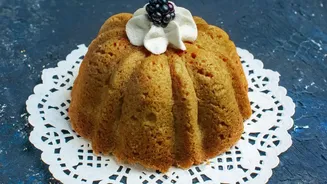
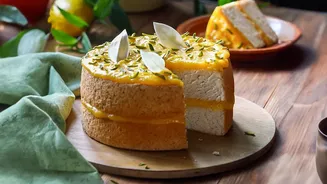
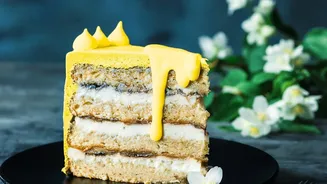
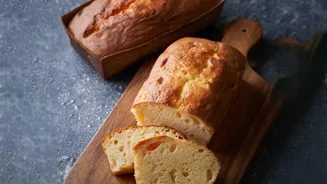
involves infusing milk, butter, or even honey with chamomile flowers before adding it to cake batter. The result is a tender, fragrant cake that carries the herb’s signature notes — subtly sweet, floral, and slightly apple-like. Recipes for lemon-chamomile loaf cakes, honey-chamomile layer cakes, and even chamomile-infused cupcakes are blossoming online and in pastry shops, offering a novel way to enjoy a familiar comfort.
The Rise of Functional Indulgence
So, why cake, and why now? This trend isn’t just about a new flavour. It’s part of a larger movement towards “functional foods” — where consumers look for ingredients that do more than just provide basic nutrition or taste good. We’re increasingly interested in foods that can support our well-being, from boosting energy to improving gut health and, in this case, promoting relaxation. The idea of a dessert that not only satisfies a sweet craving but also helps you unwind aligns perfectly with a growing focus on self-care and mindful consumption. It transforms the final meal of the day into a purposeful ritual, designed to ease the transition from a busy day to a restful night.
A Taste of Tranquility
Baking with chamomile is an aromatic experience long before the first bite. The process of steeping the flowers in warm milk fills the kitchen with a calming, herbaceous scent. When baked, the flavour becomes more nuanced. It loses any potential bitterness and melds beautifully with complementary ingredients. Honey is a natural partner, amplifying the chamomile’s floral sweetness. Citrus, like lemon or tangerine, provides a bright contrast that cuts through the richness of the cake, creating a beautifully balanced flavour profile that is both comforting and sophisticated. The taste isn't overpowering; instead, it's a gentle, earthy whisper that makes the dessert feel special and restorative.
But Does It Really Help You Unwind?
While a slice of cake is unlikely to have the same potent effect as a concentrated cup of herbal tea, the calming properties aren't just folklore. Chamomile contains a compound called apigenin, which has been shown to have a mild relaxing effect on the nervous system. Though some of these delicate compounds can be affected by high baking temperatures, the essence and many of the benefits remain. More importantly, the trend’s power may lie in the ritual itself. The act of baking, the soothing aroma, and the mindful enjoyment of a warm, homemade treat all contribute to a psychological sense of calm and well-being. It’s less of a sedative and more of a gentle, multi-sensory cue for your body and mind to slow down.
Bringing the Bakery Home
Trying this trend at home is surprisingly simple. The most common method is to gently heat milk and let chamomile tea bags or loose flowers steep for at least 20 minutes before straining the liquid and using it in your favourite cake recipe. You can also make a chamomile-infused sugar by grinding dried flowers with granulated sugar in a spice grinder. This can be used in cakes, cookies, or even sprinkled over fruit. For those new to floral baking, start with a simple lemon and honey loaf cake, replacing some of the liquid with chamomile-infused milk. The experience is about creating a small moment of peace, turning a simple dessert into an act of kindness for yourself at the end of a long day.