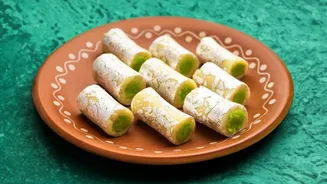

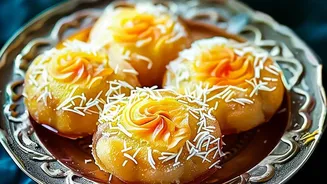

The Heart of Sandesh: What Is Chhena?
At its core, Sandesh is a masterpiece of simplicity, crafted primarily from fresh cheese curds known as chhena. Unlike paneer, which is pressed firmly to expel all moisture, chhena is soft, moist, and crumbly. It’s made by curdling hot milk with an acidic
agent like lemon juice or diluted vinegar. The milk solids are then separated from the greenish whey and gently drained in a muslin cloth. This delicate, unripened cheese is the foundational building block for a vast majority of iconic Bengali sweets, from Rasgulla to the diverse family of Sandesh. The final texture of the sweet is not an accident; it's a destiny determined the moment the chhena is made.
The Art of Coagulation
The journey to perfect Sandesh begins with the milk. Full-fat cow's milk is the gold standard, as its specific fat and protein structure yields the softest, most desirable chhena. The temperature of the milk is critical; it’s brought to a boil and then often allowed to cool for a few moments before the acid is introduced. Adding the coagulant to milk that is too hot can result in a tough, rubbery texture. The choice and quantity of the acid also play a role. A slow, gentle curdling process creates finer, more delicate curds, laying the groundwork for a smoother final product. Once the whey has clearly separated, the chhena is immediately strained and rinsed with cold water to halt the cooking process and wash away any lingering sour taste from the acid.
From Crumbles to Silk: The Kneading Process
This is where the magic truly happens. Once the chhena has been drained to the correct moisture level—not too wet, not too dry—it is turned out onto a flat surface for kneading. This step is arguably the most crucial in determining the Sandesh's final feel. For a creamy, melt-in-the-mouth texture, the chhena is kneaded patiently with the heel of the palm for up to 15-20 minutes. This methodical pressure breaks down the grainy particles, smoothing the cheese into a silky, pliable dough. Over-kneading can make it tough, while under-kneading will leave it crumbly. For a firmer, grainier Sandesh, the kneading time is significantly shorter, preserving some of the chhena's natural curd structure.
Norom Paak vs. Kora Paak: Two Paths of Sandesh
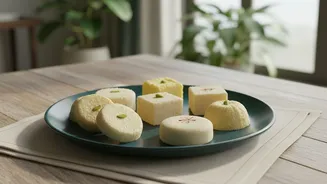
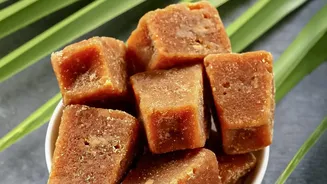
The texture of the kneaded chhena directly dictates which type of Sandesh can be made. `Norom Paak`, which translates to "soft cooked," uses the smoothest, most well-kneaded chhena. This creamy base is cooked very lightly with sugar or nolen gur (date palm jaggery) just until it comes together, preserving its high moisture content and delicate structure. The result is a Sandesh that is luxuriously soft. Conversely, `Kora Paak` or "hard cooked" Sandesh often starts with a grainier chhena. This mixture is cooked for a longer duration, which reduces moisture and results in a firmer, denser sweet that has a longer shelf life and can be formed into intricate shapes.
Beyond Chhena: Sugar and Cooking Time
While chhena texture is the primary driver, the cooking process, known as 'paak', plays a vital supporting role. The amount and type of sweetener—powdered sugar versus rich, liquid nolen gur—affect the final moisture content and flavour. The duration of cooking is also key. For Norom Paak, the chhena and sugar mixture is cooked on low heat just until it forms a soft mass, which could be as little as 10 minutes. Overcooking at this stage is the main cause of a dry or crumbly Sandesh. For Kora Paak, the extended cooking time is what creates that characteristic firm bite. Ultimately, the entire process is a delicate balance, but it all starts with getting the chhena just right.