








The Familiar Crude Oil Story
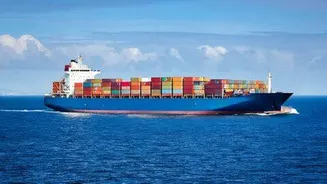
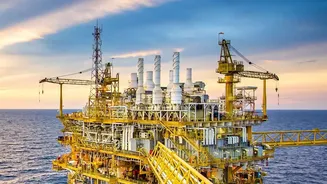
For decades, India's economic narrative has been tied to global oil prices. With an import dependency that hovers near a staggering 89%, the country is highly susceptible to supply shocks and price volatility. Events in major oil-producing regions or disruptions
along key shipping lanes, like the Strait of Hormuz, can have immediate and severe consequences. A spike in Brent crude prices directly impacts India's import bill, widens the current account deficit, fuels inflation, and puts pressure on the rupee. This well-known vulnerability has shaped foreign policy, strategic reserves, and the push for alternative fuels and electric vehicles. However, focusing solely on crude oil overlooks two other critical import dependencies that have been quietly growing in significance.
LNG: The Quietly Growing Giant
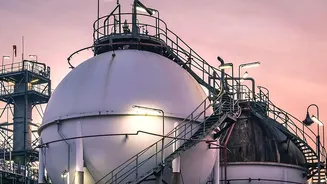
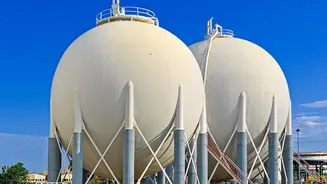
Liquefied Natural Gas (LNG) has become a cornerstone of India's plan to transition towards a gas-based economy, with the government aiming to increase natural gas's share in the energy mix from around 6% to 15% by 2030. This ambition is fuelling a massive surge in demand. LNG is essential for power generation, fertilizer production, oil refining, and the rapidly expanding city gas distribution (CGD) network that provides piped natural gas to homes and compressed natural gas (CNG) to vehicles. But with domestic production lagging, India imports roughly half of its gas needs, making it the world's fourth-largest LNG importer. Projections show this demand is set to grow by nearly 60% by 2030. This creates a new channel for global price shocks to enter the Indian economy, affecting everything from industrial production costs to transport fuel prices.
LPG: Fueling India's Kitchens
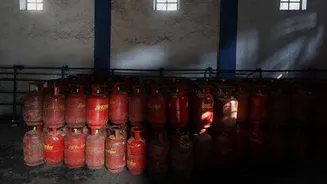
The other side of the gas story unfolds in millions of Indian kitchens. The Pradhan Mantri Ujjwala Yojana (PMUY), a flagship welfare scheme, successfully expanded access to clean cooking fuel by providing LPG connections to millions of households. This monumental effort boosted LPG coverage from 62% in 2016 to nearly 100% just a few years later. While a resounding success for public health and women's empowerment, it has also dramatically increased the country's reliance on imported Liquefied Petroleum Gas (LPG). Imports now account for about two-thirds of the nation's total LPG consumption. Previously, the vast majority of these imports came from the Middle East, creating a heavy dependence on the Strait of Hormuz. Recent geopolitical conflicts have exposed the fragility of this supply chain, leading to shortages and forcing the government to seek diversification.
A Triple-Pronged Risk Profile
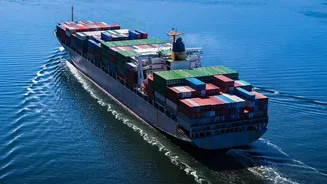
India's energy security is no longer a single-front battle against crude oil prices. It is now a three-front exposure to crude, LNG, and LPG. A disruption in a key region like the Middle East can simultaneously threaten all three vital imports, creating a compounded crisis. Recent supply shocks have already demonstrated this, forcing India to rapidly diversify its import sources for both crude and gas. The country is now looking to increase LPG imports from the United States, with plans to source up to a quarter of its needs from there by 2027 to reduce its reliance on the Middle East. While diversification is a necessary strategy, it also comes with challenges, such as higher freight costs for sourcing from more distant suppliers like the US. This multi-faceted dependency means that global volatility now impacts not just transportation and industry, but also the cost of cooking for the average household.