





The 'Gate of Tears' on the Map
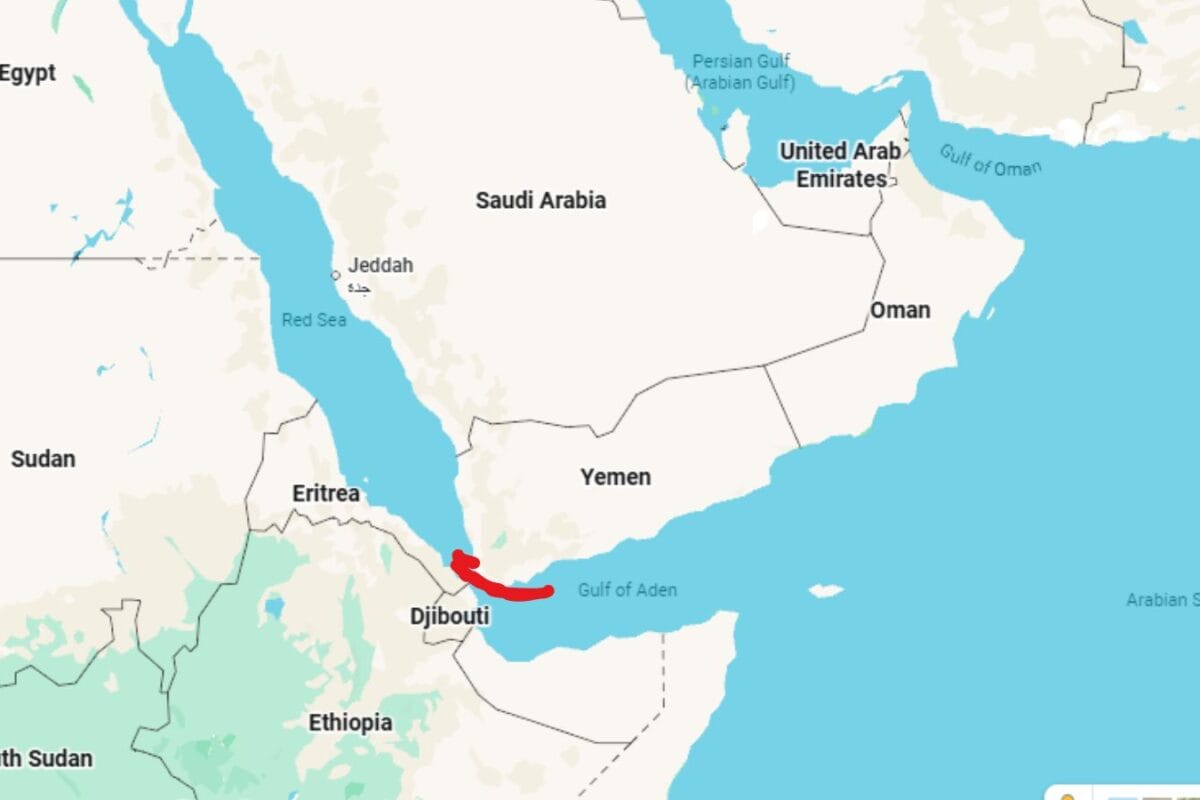
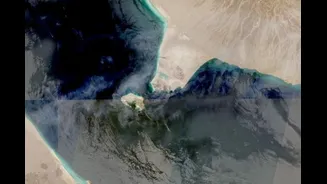
The Bab el-Mandeb strait is a narrow channel of water that separates the Arabian Peninsula from the Horn of Africa. On one side lies Yemen, and on the other, Djibouti and Eritrea. At its narrowest, the strait is only about 29 kilometres wide. This slender
passage is the sole southern gateway between the Indian Ocean and the Red Sea, and by extension, the Suez Canal and the Mediterranean Sea. Its name, which translates from Arabic as the 'Gate of Tears' or 'Gate of Grief', is believed to stem from the historical dangers of navigating its unpredictable currents and winds, which caused countless shipwrecks over the centuries. Today, the name has taken on a more modern meaning, reflecting the economic pain and geopolitical anxiety that arise whenever passage through this vital waterway is threatened.
A Global Trade Superhighway
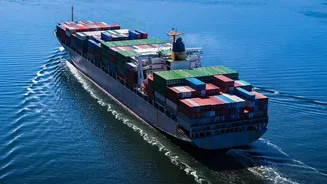
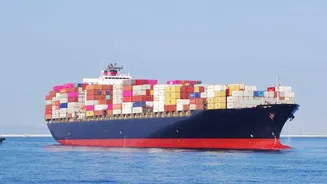
The strait's strategic value skyrocketed with the opening of the Suez Canal in 1869, which created the fastest maritime route between Asia and Europe. Today, an estimated 10-12% of all global seaborne trade passes through this corridor annually. This includes a significant portion of the world's energy supplies. In 2018, about 6.2 million barrels of crude oil and petroleum products flowed through the strait each day, accounting for roughly 9% of all seaborne-traded petroleum. Millions of barrels head north towards Europe and the US, while millions more flow south to key Asian markets like China and India. Any closure would force ships to take the much longer and costlier route around the southern tip of Africa, adding weeks to transit times and sending shockwaves through the global economy.
A Geopolitical Flashpoint
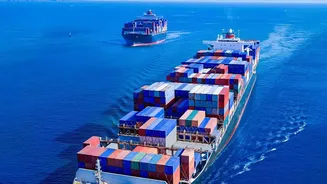
Its critical importance makes the Bab el-Mandeb a natural geopolitical flashpoint. The strait's proximity to unstable regions, particularly Yemen, has made it vulnerable to security threats. Since late 2023, Yemen's Houthi rebels have launched numerous drone and missile attacks on commercial shipping, citing regional conflicts. These actions have turned the waterway into a high-risk zone, prompting international naval missions to protect commercial vessels. As recently as July 2026, Houthi threats to target specific national shipping have caused vessel traffic to drop, highlighting how easily perceived risk can disrupt trade even without a full blockade. This has elevated the strait's status, alongside the Strait of Hormuz, as a major chokepoint where regional conflicts can have immediate global consequences.
Why India Watches Closely
For India, the stability of the Bab el-Mandeb is a matter of significant economic and strategic concern. A substantial portion of India's trade with Europe, North America, and North Africa relies on this Red Sea route. Disruptions not only delay shipments but also drive up freight and insurance costs, which can affect the price of goods for Indian consumers and the competitiveness of its exports. The recent instability has already impacted Indian trade, which was grappling with slowdowns from other global events. Furthermore, with the Strait of Hormuz also facing tensions, the Red Sea has become an even more crucial route for energy supplies from the Middle East, including from key partners like Saudi Arabia. This has prompted an active role for the Indian Navy in the region, participating in anti-piracy and maritime security operations to safeguard the sea lanes vital to its national interests.