






A Historic Catch in South Texas
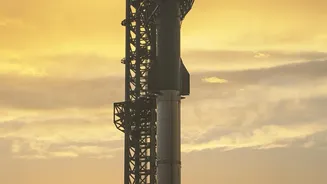
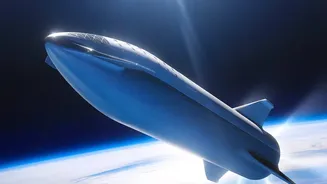
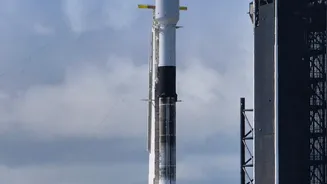
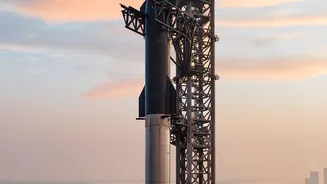
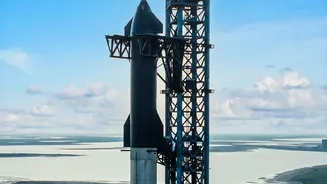
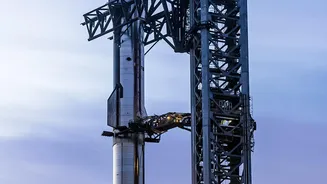
On November 14, 2026, after spending nearly a full day in orbit, SpaceX’s Starship upper stage (named Ship 42) descended from space, executed a series of complex maneuvers, and was caught by two giant mechanical arms on its launch tower at Starbase, Texas.
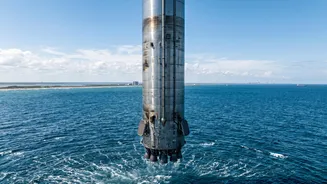
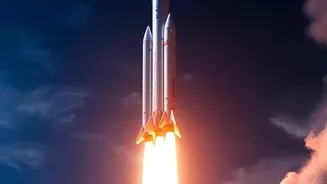
The mission, designated Starship Flight 15, lifted off on November 13. While the company had previously caught its Super Heavy boosters, this was the first time any company had recovered an orbital-class upper stage in this manner, marking a monumental step toward a fully reusable rocket system. The plan for Flight 15 was even more ambitious, aiming for a 'double catch' of both the Super Heavy booster and the Starship upper stage. However, the booster experienced an issue during its return burn and was safely diverted for a splashdown in the Gulf of Mexico. Despite the booster's loss, the successful recovery of the Starship spacecraft after it completed 14 orbits and deployed 26 Starlink satellites was the mission's crowning achievement.
How 'Mechazilla' Works
The key to this achievement is the launch tower, nicknamed 'Mechazilla', and its two massive catching arms, often called the 'chopsticks'. This system is designed to eliminate the need for traditional landing legs on the rocket stages. After separating from the Starship, the Super Heavy booster (or in this case, the Starship upper stage) performs a series of engine burns to navigate back to the launch site. Using its grid fins for atmospheric steering, the vehicle precisely targets a point alongside the tower. In the final moments of descent, the rocket's Raptor engines fire one last time, slowing it to a near-hover. At that moment, the chopstick arms swing closed, gripping the vehicle at reinforced 'catch points' just below the grid fins (for the booster) or forward flaps (for the ship), taking the full weight of the massive stage. The entire sequence is autonomous and requires astonishing precision, with the rocket arriving in a small target window while withstanding intense heat and acoustic forces from its own engines.
Why The Catch Is a Game-Changer
Catching rockets with a tower is not just a technological spectacle; it is fundamental to SpaceX's business model for Starship. The primary driver is weight. Landing legs, like those on the Falcon 9 booster, are heavy pieces of hardware that serve no purpose during launch or in orbit. Removing them means Starship can carry more payload—more satellites, more cargo, and eventually, more people—for the same amount of fuel. This dramatically improves the rocket's efficiency and lowers the cost per launch. The second major advantage is speed. A rocket caught by the tower is already at the launch pad, ready for inspection, refueling, and integration for its next flight. This eliminates the lengthy and costly process of recovering a booster from the ocean, transporting it back to port, and then moving it to the launch site. The tower catch is the key to unlocking rapid reusability, the core principle behind SpaceX's ambition to make spaceflight as common as air travel.
The Path to Full Reusability
While Flight 15's successful Ship catch is a massive leap forward, the mission also highlighted remaining challenges. The failure to recover the Super Heavy booster, which the company attributed to an early engine shutdown due to a low fuel mass alarm, means the loss of 33 valuable Raptor engines. This was the fourth V3 booster lost in a row, underscoring the difficulty of perfecting the return-to-launch-site maneuver for the much larger first stage. Engineers will now analyze data from both the successful ship recovery and the booster failure to refine the hardware and software. The recovered Ship 42 will undergo extensive inspections to see how it withstood the rigors of orbital flight, a 22-hour coast, and a fiery reentry before being caught. These findings will be crucial for iterating on the design and getting closer to the goal of reflying vehicles with minimal turnaround time.