

A Sweet Surprise From a Humble Spud
In the world of Indian sweets, where lentils, carrots, and flour often take centre stage, the idea of a potato-based dessert might sound peculiar. Yet, Aloo Halwa, or potato pudding, is a cherished delicacy, particularly in North India. It defies expectations
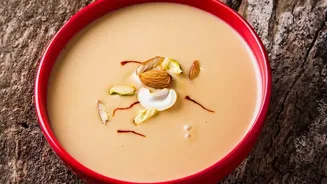
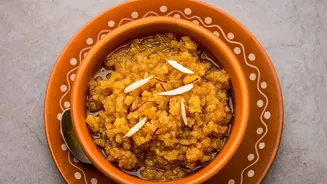
by transforming the common potato into a rich, decadent treat with a surprisingly smooth, fudge-like texture. The flavour is not savoury or starchy as one might fear; instead, it's a fragrant, ghee-infused sweetness, studded with nuts and perfumed with cardamom. It’s a testament to culinary ingenuity, proving that with the right technique, even the most everyday ingredient can become something extraordinary.
The Sacred Sawan Connection
The popularity of Aloo Halwa soars during Sawan, the fifth month of the Hindu calendar dedicated to Lord Shiva. This monsoon month is a time of spiritual devotion, often involving fasting, especially on Mondays (Sawan Somvar). The dietary rules for these fasts, known as 'vrat', are specific: grains, lentils, onions, garlic, and regular salt are avoided. This is where the potato shines. Considered a permissible vegetable for fasting, it provides a much-needed source of carbohydrates and energy. Therefore, Aloo Halwa becomes more than just a dessert; it's a 'vrat-friendly' source of sustenance, a permissible indulgence that offers comfort and energy to devotees.
The Magic of Simple Ingredients
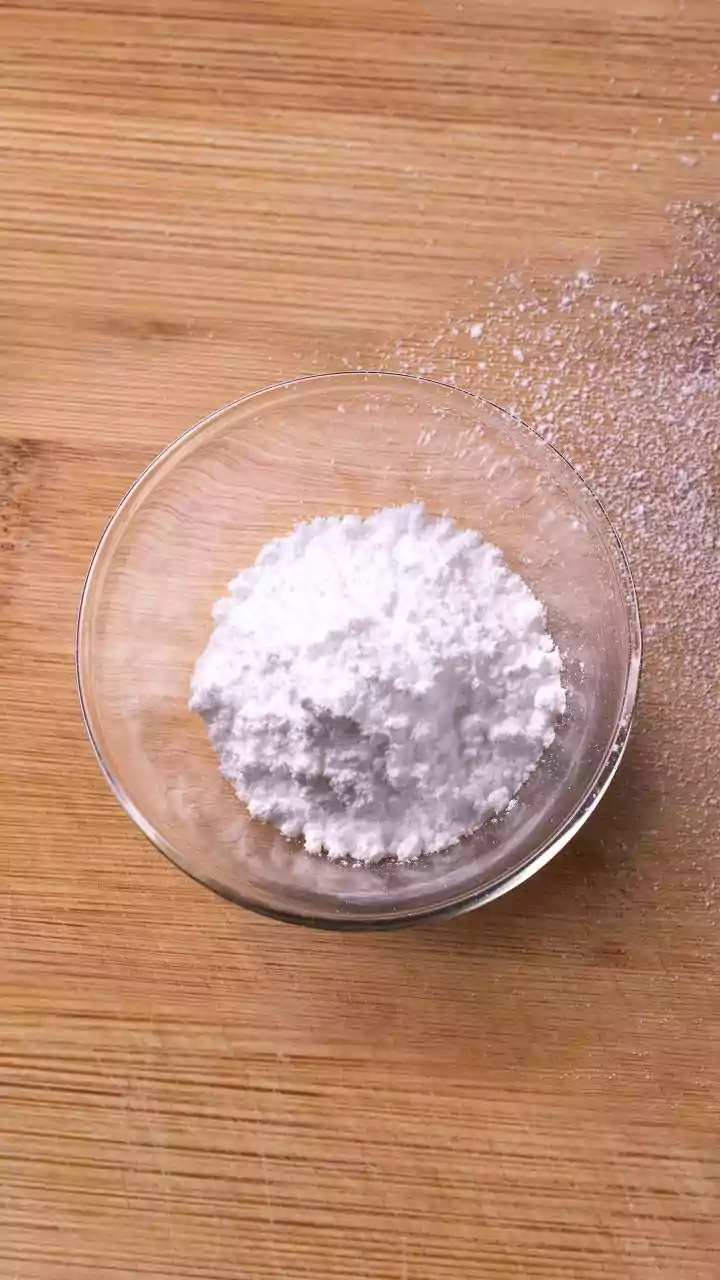
The beauty of Aloo Halwa lies in its simplicity. The recipe calls for just a handful of common kitchen ingredients. The foundation is boiled, peeled, and mashed or grated potatoes. Pure ghee (clarified butter) is non-negotiable, lending the halwa its signature rich aroma and glossy finish. Sugar provides the sweetness, while milk or khoya (milk solids) can be added for extra creaminess. The final touches come from fragrant green cardamom powder and a generous scattering of chopped nuts like almonds, cashews, and pistachios for a welcome crunch. These ingredients, allowed during 'vrat', come together to create a dish that is both spiritually pure and deeply satisfying.
An Art of Transformation
Making Aloo Halwa is an exercise in patience and transformation. The process begins with roasting the mashed potatoes in a generous amount of ghee. This crucial step cooks off the raw potato flavour and allows the starches to break down and absorb the richness of the ghee. As it cooks slowly in a heavy-bottomed pan, the mixture changes colour, turning from pale white to a beautiful golden brown. Sugar is added next, which melts and initially loosens the mixture before it thickens again. The halwa is ready when it starts to pull away from the sides of the pan, having transformed into a cohesive, aromatic, and glistening mass. The entire process is a sensory delight, filling the kitchen with the warm scent of cooked ghee, caramelising sugar, and fragrant cardamom.
More Than Just a Fasting Food
While intrinsically linked to Sawan and other religious fasts like Navratri, Aloo Halwa's appeal isn't limited to periods of abstinence. It is a comfort food, often made on cold evenings or as a quick, satisfying dessert for special family meals. Because it’s gluten-free and uses such basic ingredients, it's an accessible treat for many. The dish represents a core principle of Indian cooking: the ability to elevate simple, humble ingredients into something celebratory. It challenges preconceived notions about what a potato can be, turning it from a simple side dish into the star of the dessert course. It's a sweet reminder that sometimes, the most unusual combinations yield the most delicious results.