




A Once-in-a-Dozan-Year Marvel
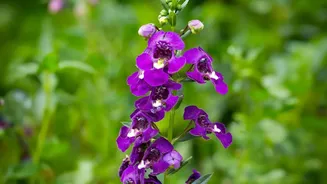
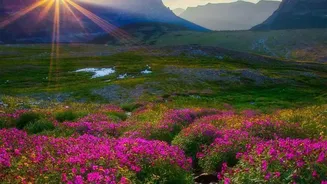
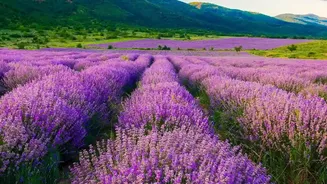
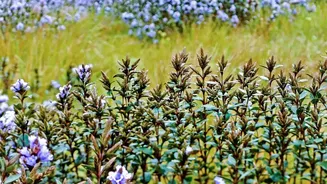
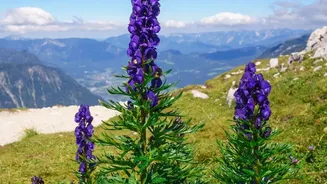
Neelakurinji, or Strobilanthes kunthiana, is a shrub endemic to the shola forests of the Western Ghats in Kerala, Tamil Nadu, and Karnataka. Its fame comes from a unique, synchronised blooming cycle. The entire plant population flowers en masse, carpets
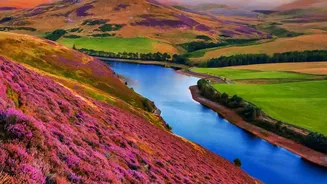
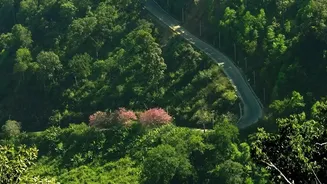
entire hillsides in a breathtaking display, and then dies. This botanical phenomenon, known as masting, is a survival strategy that takes 12 years to complete. The last major bloom occurred in 2018, transforming landscapes like Munnar into a global attraction. The Nilgiri Hills, which literally means 'Blue Mountains', are believed to have earned their name from this very flower. The next mass blooming event is anticipated in 2030, making it a bucket-list item for nature lovers worldwide.
A Fragile Phenomenon Under Threat
This natural spectacle is more fragile than it appears. The International Union for Conservation of Nature (IUCN) has officially placed Neelakurinji on its Red List of threatened species, classifying it as 'Vulnerable'. The primary threats are man-made. Large swathes of its high-altitude grassland habitat have been lost to plantations, infrastructure development, and urbanisation. Unregulated tourism during the blooming season adds immense pressure. Hordes of visitors can lead to trampling of the delicate plants, soil erosion, and waste accumulation, disrupting the plant's natural regeneration process. Climate change also poses a significant risk, as shifts in temperature and rainfall can disrupt the flower's sensitive 12-year internal clock.
The Golden Rules of Responsible Viewing
Witnessing the bloom is a privilege that comes with responsibility. Authorities like the Kerala Forest Department and Kerala Tourism have issued clear guidelines to protect this endangered species. The number one rule is simple: look, but do not touch. Plucking the flowers or uprooting the plants is strictly forbidden and ultimately futile, as they only grow at specific high altitudes. Visitors must stay on designated pathways to avoid trampling the shrubs. The entire area is a plastic-free zone, and littering is met with strict penalties. Remember that these grasslands are part of a delicate ecosystem that supports other wildlife, including the endangered Nilgiri Tahr, so maintaining silence and avoiding disturbances is crucial.
Planning Your Future Visit, The Right Way
With the next bloom expected in 2030, there is ample time to plan a conscious and respectful trip. The Eravikulam National Park in Munnar is one of the primary conservation sites and the best place to view the bloom. Given the massive influx of tourists during the last season, it is essential to book everything well in advance. Entry to the park is regulated, often with shuttle services provided to manage traffic and environmental impact. During the blooming months, typically from August to October, authorities may implement further restrictions based on carrying capacity assessments to prevent overcrowding. Always check the official websites of Eravikulam National Park and Kerala Tourism for the latest rules, entry fees, and booking information before you travel.