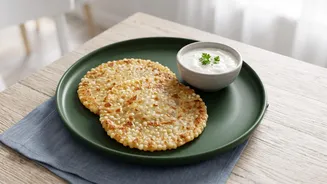









The Foundation: Soaking Sabudana
The first and most critical step is preparing the sabudana, or tapioca pearls. The goal is to achieve soft, separate pearls that are not mushy. Start by rinsing one cup of sabudana under running water two to three times to remove excess starch. This step is crucial
for preventing stickiness later. After rinsing, soak the pearls in just enough water to cover them. Too much water will result in a soggy, unworkable dough. Let them soak for at least four to six hours, or even overnight. You'll know they are perfectly soaked when you can press a pearl between your thumb and forefinger, and it mashes easily without a hard centre. Once soaked, drain any remaining water completely using a sieve to ensure the mixture doesn't become too moist.
The Perfect Binder: Boiled Potatoes
Potatoes act as the primary binding agent, holding the mixture together. The texture of the potato is key. It's best to use boiled potatoes that have been cooled completely. For a smooth, lump-free dough, grate the boiled potatoes or mash them very thoroughly while they are still warm. Lumps in the potato will create weak spots in the dough, causing the parathas to break while rolling or cooking. The ratio is also important; a common starting point is using about one and a half cups of mashed potato for every cup of dry sabudana used. Using too little potato will result in a crumbly dough that falls apart, while using too much can make the paratha taste more like an aloo tikki and feel heavy.
Adding Flavour and Texture
This is where you build the characteristic flavour profile of the paratha. A coarse powder of roasted peanuts is a non-negotiable ingredient. It not only provides a delightful crunch but also helps absorb any excess moisture from the sabudana and potatoes, further preventing stickiness. For one cup of sabudana, about half a cup of coarsely crushed roasted peanuts is a good measure. Other essential flavouring agents include finely chopped green chillies, grated ginger, and fresh coriander leaves. Cumin seeds (jeera) add a warm, earthy aroma, while a squeeze of lemon juice brightens up all the flavours. For fasting (vrat) versions, sendha namak (rock salt) is used instead of regular table salt.
Bringing the Mixture Together
In a large mixing bowl, combine the drained sabudana, mashed potatoes, crushed peanuts, green chillies, ginger, coriander, cumin seeds, and salt. This is where technique matters. Instead of kneading aggressively like a wheat dough, gently mix and press the ingredients together with your hands. The goal is to form a cohesive, non-sticky dough. If the mixture feels too dry, you can sprinkle a tiny amount of water, but do so sparingly. If it feels too sticky, adding a tablespoon of buckwheat flour (kuttu ka atta) or water chestnut flour (singhara atta) can help bind it better. Once combined, cover the dough and let it rest for about 10 to 15 minutes. This allows the flavours to meld and the sabudana to absorb any final bits of moisture, making it easier to handle.
Troubleshooting a Sticky Dough
Stickiness is the most common issue when preparing the mixture. If your dough feels overly sticky and is difficult to handle, it's usually due to excess moisture. This could be from improperly drained sabudana or overly moist potatoes. The quickest fix is to add a moisture-absorbing flour like roasted peanut powder, buckwheat flour, or even a bit of powdered sabudana. Some recipes also suggest adding a teaspoon of ghee or oil to the dough at the end of mixing. This not only improves flavour but can also make the dough less prone to sticking to your hands and the rolling surface. Remember, this dough is naturally more delicate than wheat-based doughs, so gentle handling is always the best approach.