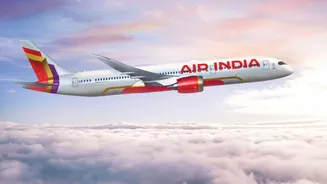









A New Partnership for a National Goal
The idea of using a national carrier to boost tourism is no longer just a concept; it's now a formal strategy. In a significant move, Air India and the Ministry of Tourism recently signed a Memorandum of Understanding (MoU) to jointly promote India as
a premier global destination. This collaboration aims to leverage the airline's vast international network and the ministry's 'Incredible India' campaign to increase inbound tourism. The partnership, which is non-commercial and will be reviewed by a joint working group, formalises Air India's role as a key ambassador for the nation. It covers co-branded marketing, destination storytelling across digital and offline platforms, and closer engagement with state tourism boards. This agreement provides a structured framework for what many have seen as a natural synergy, turning every Air India touchpoint into a potential invitation to explore India.
The Lounge: A Gateway to Indian Culture
For many international travellers, the airport lounge is their first and last impression of a country. Air India is already reimagining this experience. The airline's new flagship 'Maharaja Lounges', such as the one at Delhi's Terminal 3, have been designed to be more than just waiting areas. They are conceived as cultural gateways, blending modern luxury with a design ethos rooted in Indian heritage. With curated art pieces celebrating Indian culture, distinct zones for relaxation or work, and culinary offerings that include regional delicacies, these lounges can offer an immersive preview of India. Instead of a generic space, the lounge becomes an exhibit of Indian hospitality and artistry, subtly encouraging travellers to see the country beyond the airport. This strategy has also been extended overseas, with a similar signature lounge recently opened in San Francisco to give passengers an 'immersive introduction to India'.
In-Flight Screens: A Captive Audience at 30,000 Feet
An aircraft cabin offers a uniquely captive audience. The MoU with the Ministry of Tourism specifically mentions showcasing tourism content on Air India's in-flight entertainment (IFE) systems. The airline has already been upgrading its content library, which now features thousands of hours of movies, TV shows, and music in multiple languages. The opportunity lies in going beyond conventional entertainment. Imagine high-production documentaries showcasing the stunning landscapes of the North East, virtual walking tours of Hampi's ruins, or features on the wellness retreats of Kerala. This content can be integrated seamlessly alongside blockbuster films. For aircraft without seatback screens, the airline's Vista Stream service allows passengers to stream content to their own devices, offering another channel to push curated destination guides and promotional videos directly into travellers' hands.
Digital Channels and Strategic Initiatives
The promotion doesn't end when the flight does. The new partnership will explore branding opportunities across aircraft livery and boarding passes, making every part of the journey a promotional tool. More importantly, it focuses on digital integration. This could involve embedding 'Incredible India' content within the Air India app and website, engaging travellers through social media campaigns, and working with tour operators on promotions. A particularly promising aspect mentioned in the collaboration is the focus on transit and stopover tourism. By developing attractive stopover packages, Air India could encourage the millions of passengers who transit through hubs like Delhi and Mumbai to spend a day or two exploring the city, a model successfully used by Gulf carriers for years. There are also plans to link tourism benefits, like access to heritage sites, with the airline's Maharaja Club loyalty programme.