



The Rise of the Protein-Packed Crust
The secret to a high-protein pizza isn't in a new, exotic topping but in the foundation itself: the crust. Traditional pizza dough is made from refined flour, which offers little in terms of nutrition besides carbohydrates. The protein-enhanced version,
however, incorporates ingredients specifically chosen for their high protein content. This reinvents pizza, turning it from a simple indulgence into a more functional meal. The goal is to create a pizza that leaves you feeling energised rather than sluggish by adding more protein to fuel muscles and promote a balanced diet.
What's Actually in It?
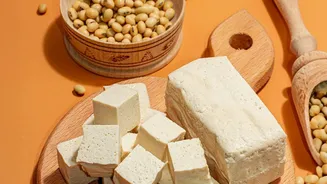
There are several ways to boost the protein in a pizza base. One popular method is adding protein powders, such as whey, casein, soy, or pea protein, directly into the flour mixture. Another approach involves using alternative flours that are naturally higher in protein, like almond, chickpea, or quinoa flour. Some creative home and commercial recipes even use ingredients like Greek yogurt or blended soft tofu as a base, which add protein and moisture to create a soft, chewy dough. These ingredients not only increase protein but can also add fibre, vitamins, and minerals.
The Nutritional Payoff
The primary benefit is, of course, a significant protein boost. A standard slice of cheese pizza has about 10-12 grams of protein, mostly from the cheese and wheat. High-protein crusts can elevate this number substantially. For example, some commercially available protein crusts boast up to 18 grams of plant-based protein per serving before any toppings are added. Homemade versions using ingredients like lentils and quinoa can offer 20 grams per individual crust. This increased protein is crucial for muscle repair and growth, and it also promotes satiety, helping you feel fuller for longer and reducing the urge to overeat or snack between meals.
But How Does It Taste?
This is the all-important question for any pizza purist. The taste and texture of a protein crust can vary widely depending on the ingredients used. Crusts made with whey protein may feel slightly firmer or less elastic during preparation but can bake up just as crispy and chewy as a classic dough. Nut-based flours like almond flour can lend a slightly nutty, savoury flavour that complements many toppings. Some people find that certain protein powders can create a denser texture or a subtle aftertaste, which is often masked with seasonings like garlic powder, oregano, or nutritional yeast for a cheesy flavour. Others, using whey leftover from making yogurt, report it creates one of the best-tasting doughs they've made.
Is It a Truly 'Healthy' Choice?
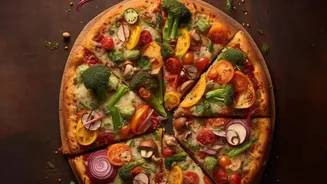
While a protein-fortified crust is a step up nutritionally, it's important to remember that it's still pizza. The overall healthiness of your meal depends heavily on portion size and toppings. Loading a protein crust with excessive cheese and processed meats can quickly add significant calories, sodium, and saturated fat. However, when paired with lean proteins like grilled chicken, plenty of vegetables, and a moderate amount of cheese, a protein pizza can be a well-balanced meal that supports an active lifestyle. Think of it not as a guilt-free pass, but as a smarter, more functional way to enjoy a beloved food.