






Buying a new mattress can feel overwhelming. With endless options and confusing jargon, it's easy to get lost. But finding the perfect bed for a good night's sleep boils down to understanding three key factors: your budget, the feel, and the support.
Setting a Realistic Budget
The first step in your mattress journey is defining your budget. Prices in India can range from a few thousand rupees for a basic coir or foam mattress to well over a lakh for premium latex or hybrid models. It's helpful to think of a mattress as an investment in your health, as you'll spend roughly a third of your life on it. Entry-level mattresses (around ₹10,000) are often made of coir or basic PU foam, suitable for guest rooms. The mid-range (₹15,000 to ₹30,000) is where you'll find quality memory foam and pocket spring options, offering a good balance of durability and comfort for daily use. Premium models above this range typically feature advanced materials like natural latex, dense memory foams, or complex hybrid constructions for superior comfort and longevity.
Decoding Mattress Types
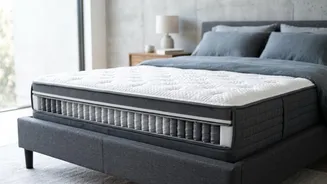
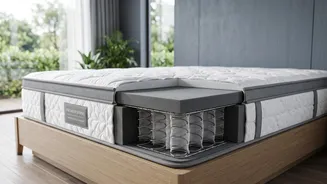
Once you have a budget, the next step is understanding the core mattress types. Innerspring mattresses, using steel coils, offer a traditional, bouncy feel with good airflow, making them suitable for hot sleepers. Memory foam mattresses are known for their body-contouring properties, which provide excellent pressure relief, especially for side sleepers. However, traditional memory foam can trap heat. Latex mattresses, made from rubber tree sap, are durable, naturally hypoallergenic, and offer a responsive, cooler sleep than memory foam, but they tend to be heavier and more expensive. Hybrid mattresses combine the best of both worlds, typically pairing a pocket spring support core with top layers of foam or latex for balanced comfort and support.
The Crucial Role of Support
Support is about how well a mattress keeps your spine in a neutral alignment, and it's not the same as firmness. The right support depends heavily on your primary sleeping position. Side sleepers need a mattress that's soft enough to allow their shoulders and hips to sink in slightly, relieving pressure. Back sleepers generally require a medium-firm surface to support the natural curve of their lower back. Stomach sleepers need the firmest support to prevent their hips from sinking too low, which can strain the spine. Your body weight is also a factor; heavier individuals will need a firmer, more supportive mattress to prevent sagging.
Finding the Right 'Feel'
Feel, or firmness, is highly subjective. What feels 'firm' to one person might feel 'medium' to another. Most brands use a scale from soft to firm. Soft mattresses offer a plush, sinking feeling, which can be great for lightweight side sleepers. Medium-firm is the most popular choice as it offers a versatile balance of contouring and support that suits most sleepers, including couples and combination sleepers who change positions at night. Firm mattresses provide a stable, 'on-top-of-the-bed' feeling with minimal sinkage, which is often preferred by stomach sleepers and some back sleepers. Don't mistake firmness for support; a cheap, overly firm mattress can create pressure points just as easily as a mattress that's too soft.
Don't Forget the Fine Print
In the age of online shopping, the fine print is more important than ever. Most direct-to-consumer mattress brands in India offer a trial period, typically around 100 nights. This allows you to test the mattress in your own home, which is far more effective than a few minutes in a showroom. However, read the terms carefully. Many companies require you to sleep on the mattress for a minimum period (often 15-30 days) before initiating a return. Also, ensure the mattress is kept clean and undamaged, as stains can void the trial. Beyond the trial, check the warranty. A standard warranty of 5-10 years is common and primarily covers manufacturing defects like sagging beyond a certain depth or broken coils, not changes in comfort preference.