


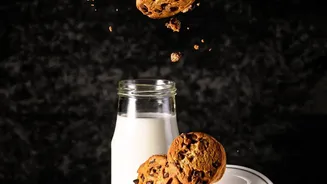
The Recipe for a 'Future Food'
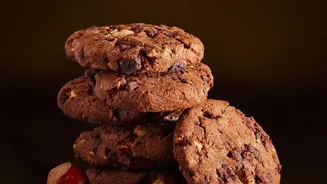
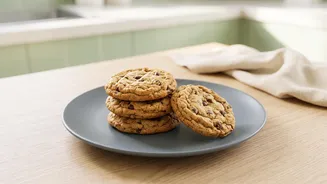
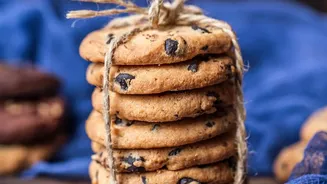
Scientists at Southern Illinois University (SIU) Carbondale have unveiled a remarkable innovation named µBites, pronounced “microbites”. These are not your average biscuits; they are 3D-printed, protein-rich cookies made from ingredients derived from two
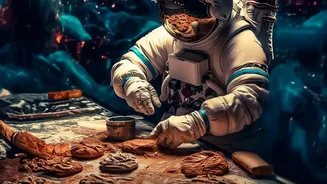
of the world's most persistent waste streams: plastic bottles and agricultural biomass. The project, led by microbiologist Dr. Lahiru Jayakody, was born from a simple but profound observation. “We were trying to develop technologies for plastic upcycling to make more valuable products,” he explained. “We thought, why not focus on making food? Because plastic is carbon and food is carbon.” This way of thinking transforms a ubiquitous pollutant into a potential resource, tackling the challenges of waste management and nutrition in one elegant, if unconventional, solution. The project has garnered significant attention, including as part of NASA’s Deep Space Food Challenge, which seeks novel ways to feed astronauts on long journeys to Mars.
From Plastic Bottle to Protein
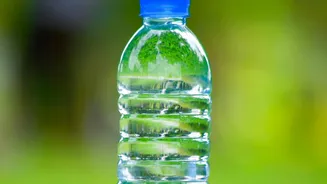
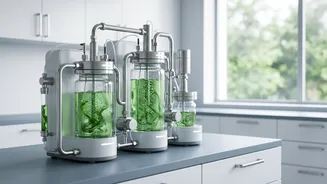
The process of creating a µBite is far more sophisticated than simply grinding up plastic. It begins with polyethylene terephthalate (PET), the common plastic used for water and soda bottles, along with plant waste like corn stalks. These materials are first broken down in a process called oxidative hydrothermal dissolution, which uses high heat, pressure, water, and oxygen to deconstruct the tough materials into their fundamental carbon-rich molecules. This creates a kind of chemical feedstock. The next step is where biology takes over. Genetically engineered yeasts, including common baker's yeast, are introduced to this molecular soup. These microorganisms have been programmed to consume the carbon fragments and, through fermentation, convert them into entirely new, edible substances. They effectively build proteins, fats, and acids from the broken-down waste. The resulting slurry is then mixed with conventional food ingredients like starch, fiber, and sweetener to create a dough-like substance ready for its final transformation.
Taste, Aroma, and Safety
The most pressing question for many is: would you actually want to eat it? The research team is working on that. To make the concept more appealing, different strains of yeast have been engineered to produce specific flavorings and nutrients. One strain can create vanillin—the compound responsible for vanilla’s taste and aroma—from the plant biomass. Another can convert a compound from PET into beta-carotene, the nutrient that gives carrots their orange color and which our bodies turn into vitamin A. The final dough is then extruded through a 3D printer to create the cookie shape. While the scientists say their safety data shows the µBites are safe for consumption, they are still awaiting institutional approval to conduct formal human taste tests. So far, only informal “aroma tests” have been done, with most participants reporting that the cookies smelled good and that they would be willing to eat them in a resource-limited scenario.
A Solution for Earth and Space
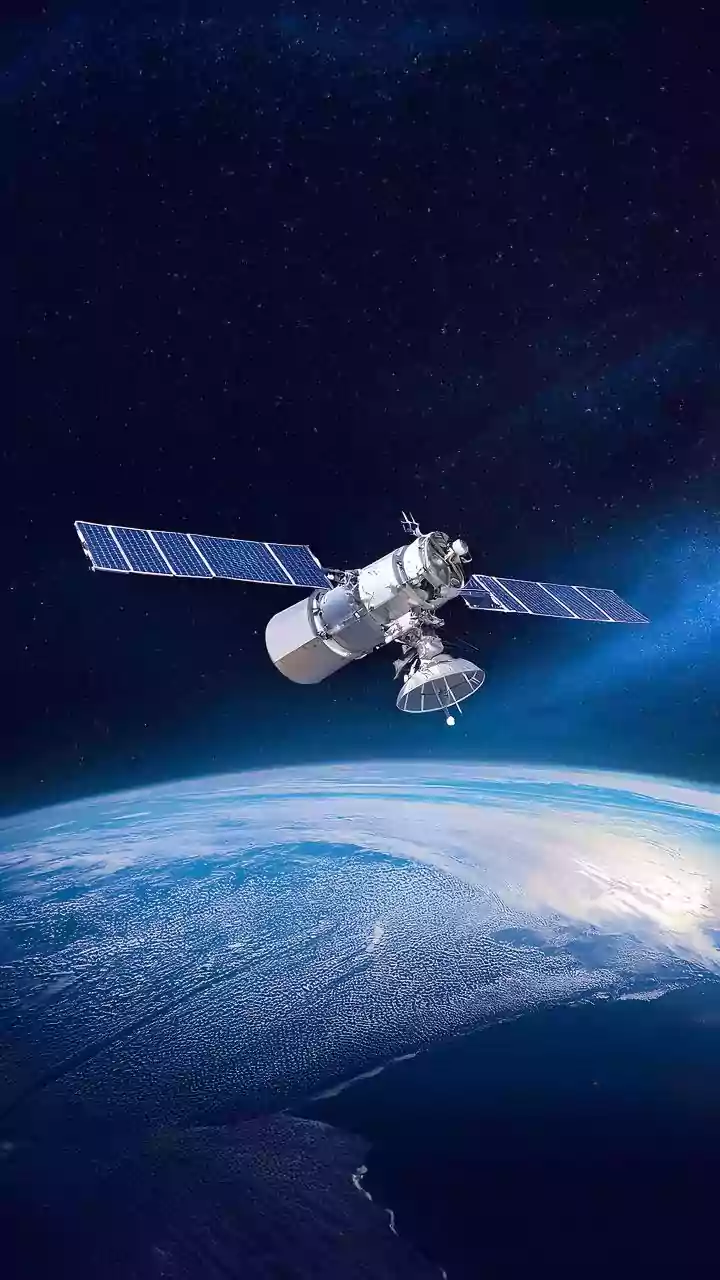
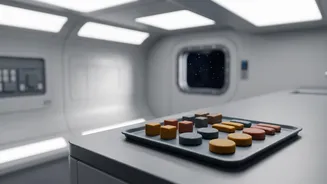
The primary impetus for the µBites project was NASA’s goal of creating sustainable food systems for deep-space missions. On a three-year round trip to Mars, astronauts cannot simply pack enough food; they need a way to produce it from the resources at hand, including their own waste. A system that converts non-edible materials into nutritious food would be a game-changer for space exploration. But the applications extend far beyond the cosmos. Such technology could be deployed in disaster zones, providing on-demand nutrition when supply chains are broken. It could also be used in extreme environments on Earth, like Arctic research stations or remote military outposts, where growing fresh food is impossible. By creating value from waste, the process offers a compelling vision for a circular economy, where the lines between what we use and what we discard begin to blur in the most productive ways.