



The South Indian Classic: Coconut Chutney
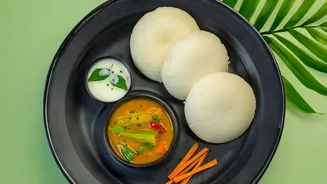
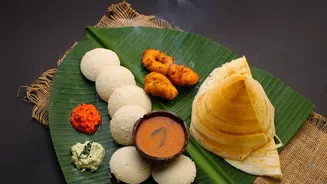
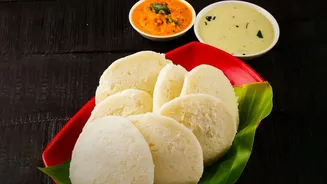
No South Indian breakfast is whole without a side of classic coconut chutney. Known as Thengai Chutney in Tamil, this creamy, mildly spiced condiment is the perfect partner for fluffy idlis, crisp dosas, and savoury vadas. Made by grinding fresh grated
coconut with green chillies, ginger, and often a handful of roasted chana dal for texture, it’s both cooling and flavourful. The final flourish is a tempering (tadka) of mustard seeds, urad dal, dried red chillies, and curry leaves sizzled in hot oil, which adds a layer of aromatic crunch. While recipes vary from state to state and even household to household, its core purpose remains: to beautifully balance the textures and tastes of the main dish.
The Tangy Counterpart: Tomato Chutney
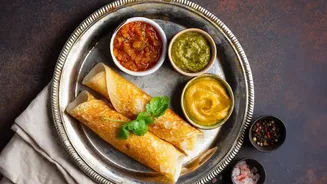
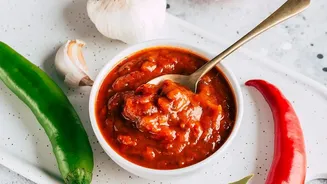
Often served alongside coconut chutney, tomato chutney provides a tangy and spicy contrast. Particularly popular in states like Tamil Nadu, Andhra Pradesh, and Karnataka, this chutney has countless variations. The base consists of ripe, juicy tomatoes sautéed with onions, garlic, and red chillies until soft and mushy. Some versions are kept simple, while others incorporate coconut, lentils, or a touch of jaggery to balance the acidity of the tomatoes. Known as Thakkali Chutney in Tamil, it’s a versatile side that can be ground to a smooth paste or left slightly coarse. Its bright red hue and robust flavour make it an essential component of the South Indian breakfast platter.
The Northern Staple: Coriander and Mint Chutney
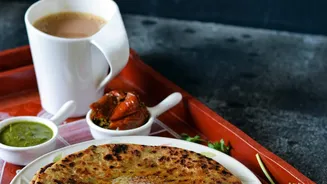
Travel north, and you'll find the ubiquitous green chutney, a vibrant blend of fresh coriander (dhaniya) and mint (pudina). This refreshing, zesty condiment is a staple with breakfast items like parathas, samosas, and pakoras. The recipe is wonderfully simple: fresh herb leaves are blended with green chillies for heat, ginger and garlic for pungency, and a squeeze of lemon juice for a tangy finish. Some recipes add a little onion or even a piece of bread to create a thicker consistency. The resulting chutney is cool yet spicy, a flavour explosion that cuts through the richness of fried snacks and complements stuffed breads perfectly.
The Nutty Delight: Peanut Chutney
Peanut chutney, also known as Palli Chutney or Verusenaga Pachadi in Andhra Pradesh, offers a creamy, nutty alternative to coconut-based chutneys. To make it, peanuts are roasted to bring out their flavour and then ground into a paste with dried red chillies, garlic, tamarind for tang, and sometimes a hint of jaggery for sweetness. The consistency is rich and satisfying, pairing exceptionally well with idli, dosa, and Punugulu (a type of fried snack). Often tempered with mustard seeds and curry leaves, this chutney showcases how a simple legume can be transformed into a deeply flavourful and hearty accompaniment.
The Fiery Powerhouse: Dry Garlic Chutney
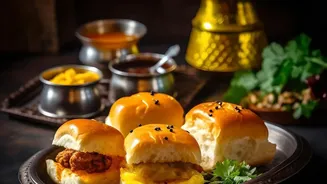
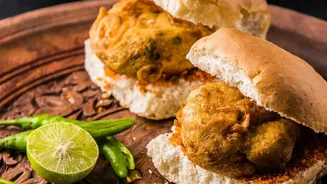
Hailing from Maharashtra, this is not a wet chutney but a coarse, dry powder packed with intense flavour. Famously known as Vada Pav chutney, it’s the fiery secret ingredient sprinkled inside Mumbai's most iconic street food. Lasun Chutney is typically made from a potent combination of garlic cloves, desiccated coconut, sesame seeds, and a generous amount of red chilli powder, which gives it a vibrant colour and searing heat. All the ingredients are roasted and ground together to create a sandy, spicy mixture that clings perfectly to fried snacks. While essential for Vada Pav, it’s also delicious with bhajis, parathas, or simply mixed with a little oil as a dip.