

Meet the Climate-Proof Legume
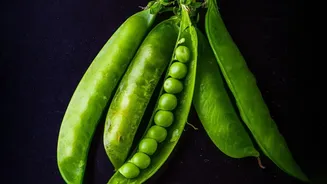
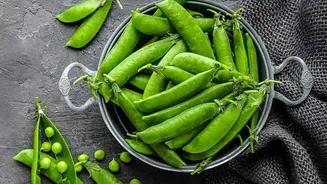
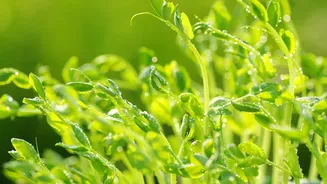
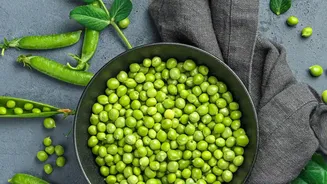
Known in India as khesari dal, the grass pea (Lathyrus sativus) is one of the oldest domesticated crops, cultivated for over 8,000 years. It is a hardy legume that has earned a reputation as a survivor crop. What makes it truly special is its incredible
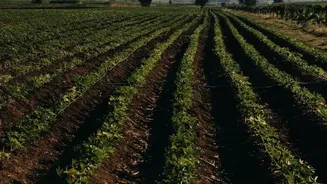
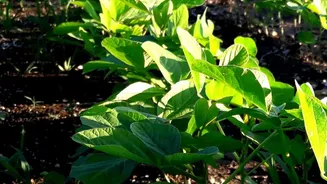
resilience; it can withstand environmental extremes like drought, floods, and poor soil where other crops might fail. This toughness makes it an incredibly important plant in the face of climate change, offering a reliable food source for farmers in challenging agricultural regions. Its ability to fix nitrogen in the soil also reduces the need for synthetic fertilisers, enhancing soil health and promoting sustainable farming practices.
A Nutritional Powerhouse
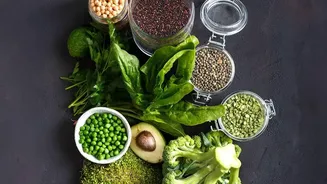
For those following plant-based diets, the grass pea is a game-changer. Its protein content is exceptionally high, ranging from 28% to 34%, a level that puts it ahead of chickpeas and second only to soybeans. It is also a good source of essential amino acids like lysine, which is often limited in cereal-based diets. Beyond protein, grass pea seeds are packed with vitamins and minerals, including iron, magnesium, and a strong profile of B vitamins. This impressive nutritional makeup makes it an excellent ingredient for anyone looking to meet their daily requirements without relying on animal products, offering a sustainable way to combat protein malnutrition.
Addressing a Complicated Past
Despite its benefits, the grass pea carries a controversial history. In its raw, unimproved form, it contains a neurotoxin called ODAP (β-N-oxalyl-L-α,β-diaminopropionic acid). Excessive consumption of high-toxin varieties as a monotonous staple food, often during times of famine, has been linked to neurolathyrism, a neurological condition that causes irreversible paralysis in the lower limbs. This led to a ban on the sale and storage of khesari dal for human consumption in India in 1961. However, research shows the risk arises from consuming huge quantities (over 30-40% of one's diet) for several consecutive months, a scenario born of desperation rather than choice. No new cases directly linked to its consumption have been reported in decades.
The Safe and Scientific Comeback
The story of the grass pea is now one of scientific redemption. Agricultural research institutes, including the International Center for Agricultural Research in the Dry Areas (ICARDA), have successfully developed low-toxin and even toxin-free varieties of grass pea. Varieties like 'Prateek' have an ODAP level below 0.1%, which is considered safe for human consumption. These modern cultivars are being reintroduced to farmers, allowing communities to reap the nutritional and agricultural benefits without the historical risks. Furthermore, traditional preparation methods, such as soaking the peas overnight and discarding the water, have been shown to significantly reduce the toxin levels even in older varieties. With these advancements, the grass pea is poised for a safe and widespread return to plates.
Bringing Grass Pea to Your Kitchen
So, how can you incorporate this versatile legume into your diet? Grass pea has a slightly sweet, earthy flavour. In its whole form, it can be cooked into a dal, just like toor or chana dal. It is also commonly ground into flour, which opens up a world of culinary possibilities. This gluten-free flour can be used to make savoury pancakes, flatbreads, or as a component in homemade pasta. Its high protein content makes it an excellent addition to baked goods like muffins or crackers, and it can be used to create batters for fritters like pakoras. As awareness grows and low-toxin varieties become more available, look for grass pea and its flour in speciality food stores and online.