


A Tale of Two Breakfasts
On its own, Pesarattu is a star. It’s a thin, crisp crepe made from a batter of whole green moong dal (lentils), ginger, and green chillies. Unlike the more common dosa, it requires no fermentation, making it a quicker, protein-packed option. Its name
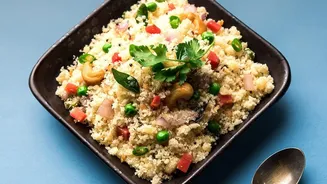
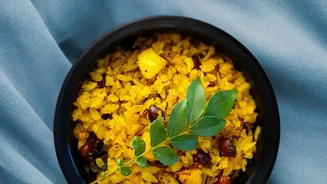
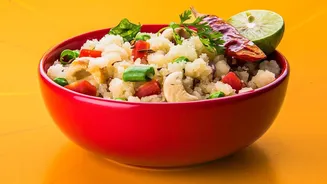
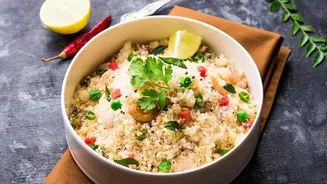
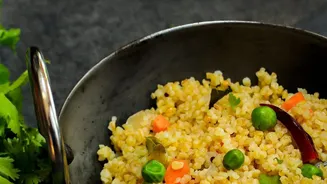
comes from the Telugu words 'pesara' (moong dal) and 'attu' (crepe or dosa). In the other corner, we have Upma, a comforting and savoury porridge. Made from dry-roasted semolina (rava) cooked with water and seasoned with mustard seeds, curry leaves, and sometimes vegetables, it’s a simple, filling dish enjoyed across India. While both are breakfast classics in their own right, their true genius is revealed when they join forces.
A Perfect and Popular Combination
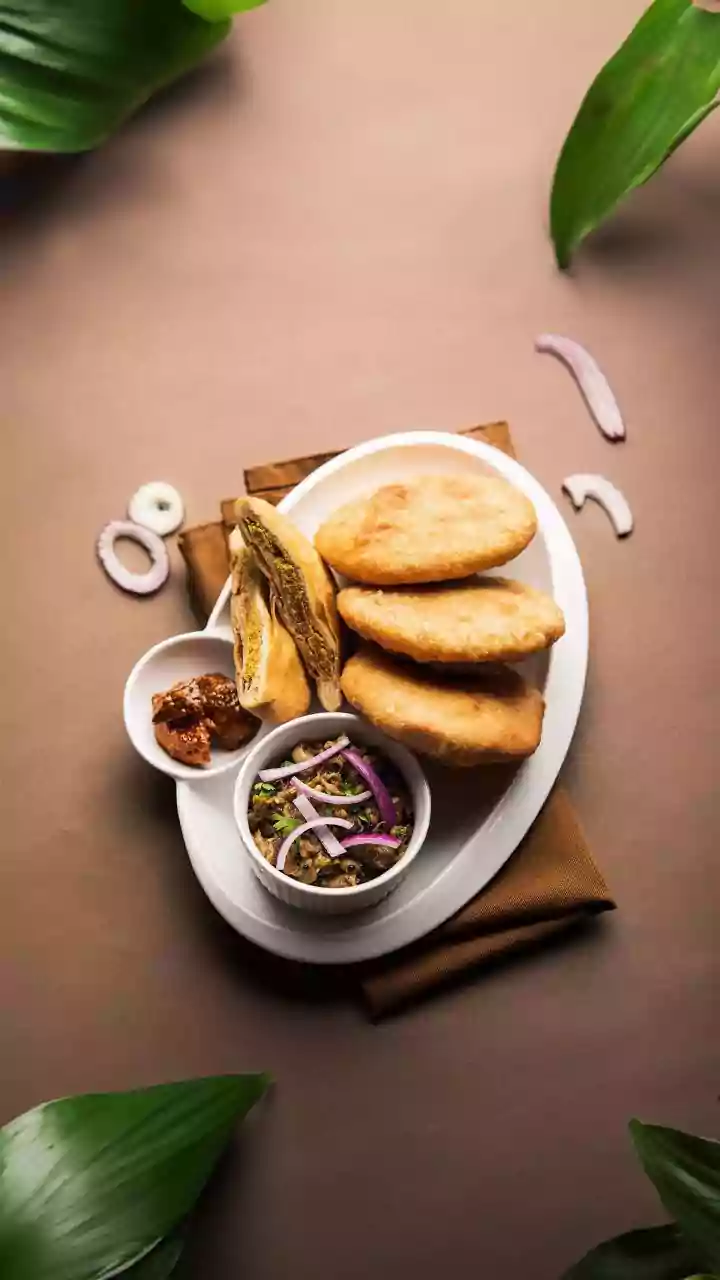
Pesarattu Upma is exactly what it sounds like: a freshly made, crisp Pesarattu with a generous layer of soft, savoury upma spread inside before it's folded over. This combination creates a delightful contrast of textures—the crunchy exterior of the crepe giving way to the fluffy, steaming upma within. It's a powerhouse of flavour and nutrition that transforms two simple dishes into a single, satisfying meal. Often served with a fiery ginger chutney (Allam Pachadi) that cuts through the richness, it’s a beloved breakfast combination in Telugu households and restaurants. The pairing is so iconic that for many, upma's status is elevated when served with pesarattu.
The Legend of the MLA Dosa
This dish also carries a quirky piece of political folklore. In many parts of Andhra Pradesh, Pesarattu Upma is famously known as “MLA Pesarattu”. The story goes that this variation was born in the canteens of the Member of the Legislative Assembly (MLA) quarters in Hyderabad. As the legend has it, some busy MLAs, looking for a quick and hearty meal, requested the canteen cooks to stuff their pesarattu with upma instead of the usual potato filling. What started as an off-menu special order soon became so popular that the name stuck, turning the dish into a symbol of status that has since spread across the region.
A Breakfast Built on Nutrition
Beyond its fascinating origin and delicious taste, Pesarattu Upma is a nutritional powerhouse. The pesarattu itself is rich in plant-based protein and dietary fibre from the moong dal, which supports digestive health and keeps you feeling full for longer. Whole green gram is also packed with essential micronutrients like iron, folate, and magnesium. Because it’s made from lentils, pesarattu has a low glycemic index, making it a great choice for maintaining stable blood sugar levels. When combined with the carbohydrates from the semolina in upma, the dish becomes a well-rounded meal, providing sustained energy to start the day.
The Art of Making It
Making Pesarattu Upma at home is a two-part process that’s well worth the effort. The first step is preparing the pesarattu batter by soaking whole green moong dal for several hours and then grinding it into a smooth paste with ginger, green chillies, and cumin seeds. The upma is made separately, typically a simple version without too many vegetables to allow the flavours of the pesarattu to shine. A hot griddle is key. The batter is spread thin like a dosa, and once it begins to crisp up, a spoonful of the warm upma is spread over one half. Finely chopped raw onions are often sprinkled on top for an extra layer of crunch and pungency before the crepe is folded and served immediately.