






The Rise of 'Anti-Optimisation' Travel
In a world obsessed with productivity, there’s a growing movement to reclaim holiday time for actual rest. The 'anti-optimisation' trend pushes back against jam-packed itineraries and the pressure to have a life-changing trip every time. For 2027, travel
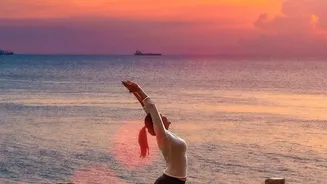
experts predict a move towards slower, more unstructured journeys. This means staying in one place longer, leaving entire days unplanned, and allowing for spontaneous discoveries. The new luxury isn't about seeing more, but experiencing more deeply. Planning for this involves choosing a base in a region you love and giving yourself permission to do very little, whether that’s reading a book on a quiet beach or enjoying leisurely meals without a schedule.
Wellness That Goes Beyond the Spa
Wellness travel in 2027 has evolved far beyond a simple massage. The global wellness tourism market is projected to grow significantly, as travellers seek holistic experiences for mind and body. The new focus is on 'active restoration' and 'nervous system design'. This includes everything from tech-driven 'Glow-cations' focused on advanced skincare in places like Seoul, to 'Hushpitality' retreats in remote areas that promise a total digital detox. Many travellers from India, for example, report actively seeking experiences that calm the nervous system and find that being outdoors is essential to relaxation. Planning this type of trip means looking for retreats that integrate wellness into the entire stay—through nature immersion, mindfulness practices, and healthy food—not just as an add-on.
Culinary Trips as the Main Course
For a growing number of people, food is the destination. The culinary tourism market is expected to expand dramatically by 2027, as travellers plan entire trips around food and drink. This trend is about more than just high-end restaurants; it’s about authentic, immersive experiences. Think of chef-led cruises that connect cuisine to the local culture, private cooking classes with a local family, or exploring regional markets. In the Asia Pacific region, diners are increasingly seeking authentic local dishes and experiences that tell a story. To plan a culinary journey, start with a specific interest—be it Italian wine, Thai street food, or regional Indian cuisine—and look for tours or self-guided routes that let you taste, learn, and connect with the local food culture.
'Sweat-Jetting' and Active Adventures
Combining fitness with travel, or 'Sweat-jetting', is a trend that shows no signs of slowing down. More travellers are planning 'racecations' to participate in marathons, triathlons, or ultramarathons abroad. But this trend isn't just for elite athletes. Adventure tourism as a whole is booming, with travellers of all ages seeking out hiking, kayaking, and wildlife exploration. Companies are responding with new itineraries in destinations like Thailand and Croatia that combine cultural immersion with activities like hiking and kayaking. For Indian travellers, 'Gymcations' are also on the rise, with people choosing hotels based on their fitness facilities and access to healthy food. Planning this kind of trip could mean signing up for an international race, booking a guided trek, or simply choosing a hotel that helps you stay active.
Citizen Science and Purposeful Exploration
As awareness of environmental issues grows, more travellers want their trips to have a positive impact. This has led to the rise of 'citizen science' travel. Tour operators are increasingly offering trips where travellers can actively contribute to scientific research. This might involve helping to collect data on coral reef health while snorkelling in the Maldives or photographing whales for a tracking project on a polar expedition. It’s a powerful way to engage with a destination and contribute to its preservation. Other purpose-driven trends include 'Astrotourism', which involves travelling to dark-sky destinations to see celestial events, and trips focused on cultural immersion and understanding. This approach shifts the focus from passive sightseeing to active, meaningful participation.