


What Exactly is Sabudana?
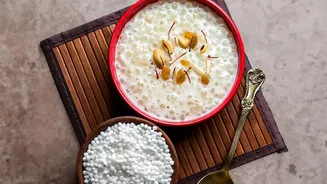
First, let's clarify what sabudana is. Despite its grain-like appearance, it isn't a grain at all. Sabudana, also known as tapioca pearls or sago, is a processed starch extracted from the root of the cassava plant. Originally native to South America,
the cassava plant was introduced to India and has since become a culinary staple. The process involves crushing the cassava root to extract its starchy milk, which is then processed and rolled into the small, hard pearls you find in stores. This non-grain origin is the primary reason it's permitted during many Hindu fasts, which often require abstaining from grains and lentils.
The Science of Fasting and Energy
Navratri fasting involves a significant change in diet, and maintaining energy levels is crucial. Sabudana is almost entirely composed of carbohydrates, making it an excellent source of quick energy. During a fast, when food intake is restricted, a meal that provides a sustained release of energy can help prevent fatigue and weakness. While sabudana itself is low in protein, fat, and fiber, the preparation of khichdi brilliantly compensates for this. By adding other ingredients, it becomes a well-rounded meal.
The Perfect Khichdi Composition
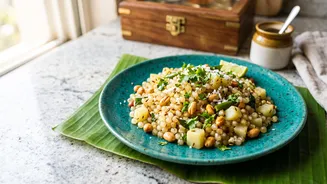
The magic of sabudana khichdi lies in its combination of ingredients, each serving a purpose. Roasted and crushed peanuts are added not just for their crunch, but also to provide essential protein and healthy fats, making the dish more satiating. Potatoes, another common addition, contribute more carbohydrates and give the dish body and texture. Spices like green chillies and cumin seeds (jeera), along with rock salt (sendha namak), provide flavour and are permissible during the fast. A final squeeze of lemon juice adds a fresh, tangy note that cuts through the starchiness and ties all the flavours together.
More Than Just Fasting Fuel
Beyond its role in religious observance, sabudana khichdi holds a special place as a comfort food. Its gentle, non-spicy nature makes it easy to digest, which is often preferred when the body's digestive system is resting during a fast. The soft, chewy texture of the cooked pearls combined with the crunchy peanuts creates a uniquely satisfying mouthfeel. For many, the dish is steeped in nostalgia, associated with family gatherings and the festive spirit of Navratri. It's a simple, wholesome meal that provides both physical nourishment and a sense of cultural connection.
Mastering the Art of Non-Sticky Khichdi
The one common challenge when making sabudana khichdi is preventing the pearls from becoming a sticky, clumpy mess. The secret lies in the soaking process. Before cooking, the sabudana must be washed to remove excess starch and then soaked for several hours—typically 4 to 6, or even overnight. The key is to use just enough water to cover the pearls. They should absorb all the water and become soft enough to be easily mashed between your fingers. Draining any excess water thoroughly before cooking is also critical to ensure each pearl remains separate, resulting in a light and fluffy khichdi.