


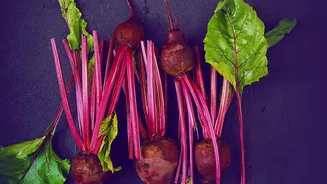
A Nutritional Powerhouse You're Tossing
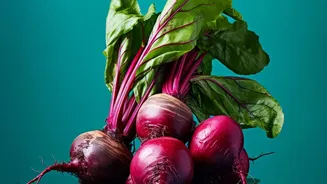
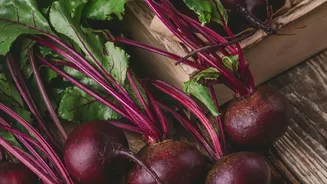
Those vibrant leaves attached to the beetroot are not just scraps; they are nutritional superstars. In fact, beet greens often contain a more concentrated array of nutrients than the root itself. They are exceptionally rich in vitamins A, C, and K. Vitamin
K is crucial for bone health and proper blood clotting, while Vitamin A supports vision and a strong immune system. A single serving can provide a significant portion of your daily vitamin C needs, which is essential for skin health and immune function. Beyond vitamins, these greens are loaded with minerals like iron, potassium, calcium, and magnesium. The potassium content helps regulate blood pressure, and their high fiber content aids digestion and promotes a healthy gut. By throwing them away, you're missing out on a free, built-in superfood.
What Do They Actually Taste Like?
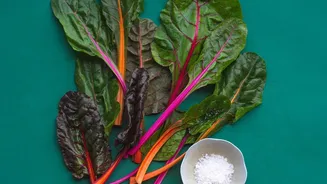
If you've never tried them, you might be wondering about the flavor. Beet greens have a pleasant, mild taste that is often compared to Swiss chard or spinach, but with a subtle sweetness and earthiness that hints at the beet root below. Younger leaves are particularly tender and sweet, making them perfect for eating raw in salads. Older, larger leaves might have a slightly more robust or bitter note, but this mellows beautifully once cooked. The stems, which range in color from ruby red to golden yellow, are also edible and provide a delightful, crisp texture when cooked, similar to the stems of chard. Their mild flavor profile makes them incredibly versatile, easily absorbing the flavors of whatever you cook them with.
The Five-Minute Sauté
The easiest way to enjoy beet greens directly answers the headline's promise of simplicity. A quick sauté is all it takes to turn these leaves into a delicious side dish. Start by separating the leaves from the stems. Give them a thorough rinse to remove any grit. Finely chop the stems and roughly chop the leaves. Heat a splash of olive oil in a pan over medium heat and add a clove or two of minced garlic. Cook for about a minute until fragrant, then add the chopped stems and cook for another minute. Finally, add the chopped leaves, a pinch of salt, and some black pepper. Toss everything together until the leaves are just wilted, which usually takes only a few minutes. A squeeze of fresh lemon juice at the end can brighten the flavors perfectly.
Beyond the Pan: More Simple Ideas
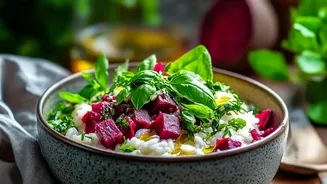
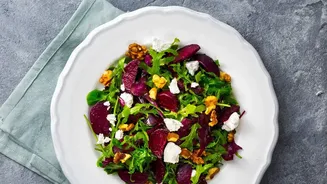
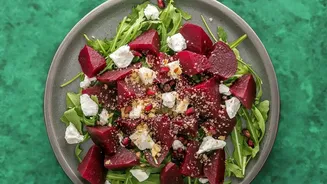
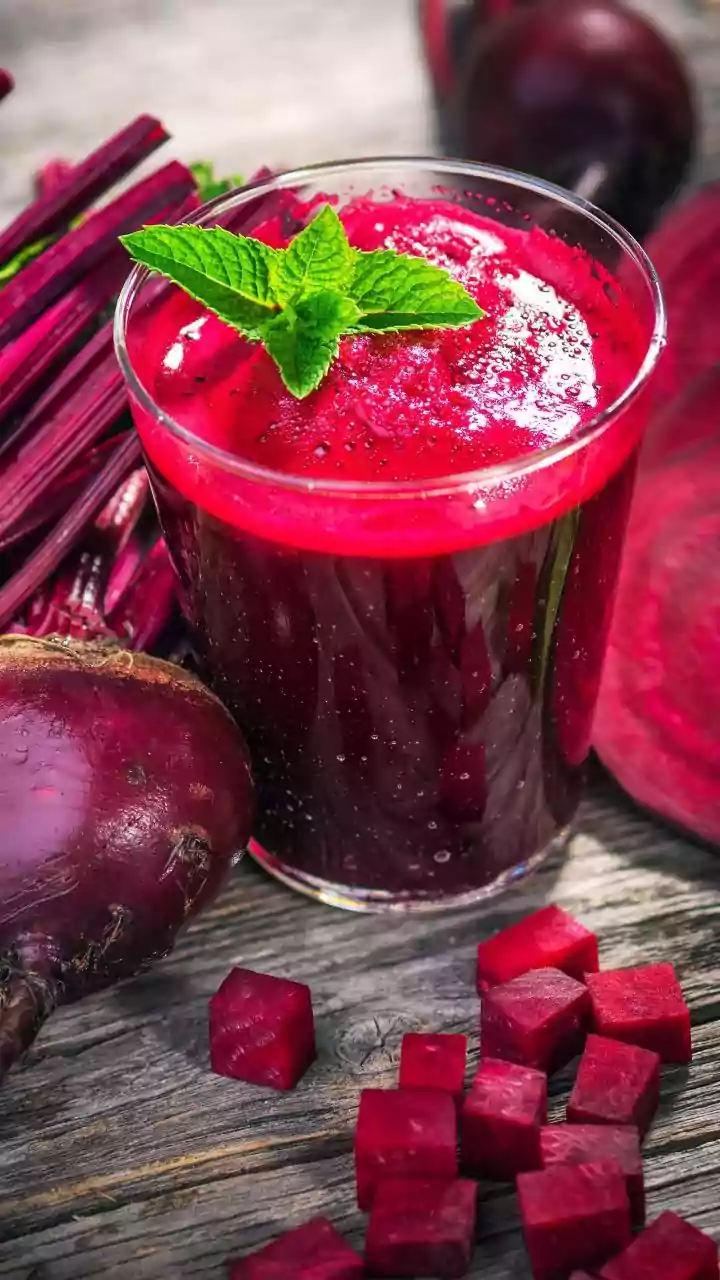
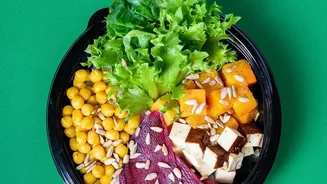
While a simple sauté is a fantastic starting point, there are many other easy ways to incorporate beet greens into your meals. You can treat them just like spinach or kale. Add a handful of raw, tender leaves to your next smoothie for a nutrient boost that won't overpower the fruit flavors. Chop them up and toss them into soups or stews during the last few minutes of cooking to add color and nutrition. The younger, more tender leaves make a great addition to salads, adding a slightly earthy note that pairs well with sharp cheeses and acidic vinaigrettes. You can even blend them into pestos or add them to stir-fries, omelets, and pastas. The possibilities are nearly endless once you start thinking of them as a valuable green, not just a byproduct.
How to Choose and Store Them
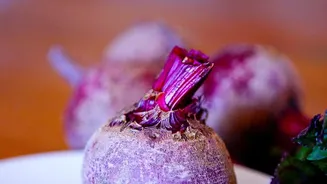
To get the best experience, look for beets with fresh, vibrant, and unwilted greens attached. When you get them home, it's best to separate the leaves from the beetroots before storing. If left attached, the leaves will continue to draw moisture from the root, causing the beet itself to soften. Trim the leaves, leaving about an inch of stem on the beet. The beetroots can be stored in your refrigerator's crisper drawer. The greens should be stored separately in a bag or container, where they will stay fresh for several days. For the best results, wash them just before using.