





More Than Just Muscle
For years, high-protein products were confined to the niche world of gyms and serious athletes. Today, that perception has completely changed. Everyday consumers, from busy office workers to health-conscious families, are driving a massive surge in demand
for protein-fortified foods. This 'protein awakening' is not about athletic performance but about a broader desire for 'functional foods'—products that offer benefits beyond basic nutrition. Shoppers are increasingly looking for foods that work harder for them, helping with weight management, providing stable energy levels, and supporting overall wellness. This shift is turning protein from a fitness supplement into a mainstream wellness staple found in kitchens across the country.
The Science of Feeling Full
One of the most sought-after functional benefits of protein is its effect on satiety—the feeling of fullness. Protein is more satiating than carbohydrates and fats, which means it can help you feel satisfied for longer after a meal. It works by slowing down digestion and influencing hormones that signal fullness to the brain. This makes high-protein foods an effective tool for curbing cravings and reducing the urge to snack between meals. For many people navigating busy schedules, starting the day with a protein-rich breakfast can help stabilise blood sugar levels, preventing the energy crash often associated with high-carb meals and supporting better food choices throughout the day.
From Dahi to Biscuits
The food industry has been quick to respond to this growing demand, infusing protein into a surprising variety of products. The trend goes far beyond shakes and bars. Companies are now fortifying everyday staples with extra protein. In India, this has led to the launch of high-protein versions of traditional favourites like dahi, lassi, paneer, and even atta. Dairy giant Amul, for instance, has introduced a range of products including high-protein buttermilk and milk. This strategy makes it easier for consumers to increase their protein intake without drastically changing their eating habits. The innovation extends to snacks, breakfast cereals, and even desserts, making protein more accessible and enjoyable than ever.
The Plant-Based Protein Push
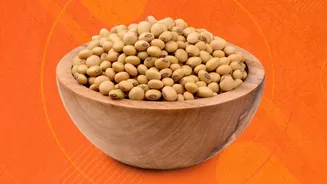
A significant part of the protein boom is being powered by plants. Driven by rising health consciousness, sustainability concerns, and a large vegetarian population, the demand for plant-based protein in India is soaring. Consumers are increasingly looking for protein from sources like soy, peas, lentils, and nuts. The Indian plant-based protein market is projected to grow significantly, with a compound annual growth rate outpacing the global average. This trend is especially strong among younger, health-aware consumers like Gen Z. As a result, brands are innovating with products that cater to this demand, from plant-based meat substitutes to protein powders derived from a variety of plant sources.
How to Be a Smart Protein Shopper
With so many products claiming to be 'high in protein,' it's important for consumers to become savvy label readers. A 'protein' claim doesn't always mean the product is the healthiest choice. Check the nutrition panel to see the actual amount of protein per serving; experts often suggest a meal should contain around 20-40 grams to provide satiety benefits. Also, look at the source of the protein—whether it's from whole foods like dals, nuts, and dairy or from processed isolates. Finally, be mindful of what else is in the package. Some protein-enhanced products can also be high in sugar, sodium, or unhealthy fats. The goal is to choose products that fit your personal health needs, not just to follow a trend.