





The Nutritional Power of Nashpati
The common pear, known as nashpati in India, is more than just a sweet treat; it's a source of valuable nutrients. A medium-sized pear contains essential vitamins like Vitamin C and Vitamin K, as well as minerals such as potassium. More importantly for
blood sugar management, it is an excellent source of dietary fibre. A single medium pear can provide about 5.5 to 6 grams of fibre, a significant portion of the daily recommended intake. This fibre is crucial because it plays a direct role in how your body processes sugar.
Understanding the Glycemic Index
When managing blood sugar, the glycemic index (GI) is a key tool. The GI ranks foods on how quickly they raise blood glucose levels. Foods with a low GI are digested and absorbed more slowly, leading to a more gradual rise in blood sugar. Pears are considered a low-GI food, with a score typically ranging from 20 to 49, depending on the variety and ripeness. This low score is largely thanks to their high fibre content. This means that despite their natural sweetness, pears are less likely to cause a sudden spike in blood sugar compared to high-GI foods.
Why the Whole Fruit Is Always Better
The advice to “choose whole fruit” is non-negotiable for a reason. When you eat a whole nashpati, you consume the flesh and the skin, which contains a large amount of the fruit's beneficial fibre and antioxidants. This fibre, particularly a soluble type called pectin, forms a gel-like substance in your stomach. This process slows down digestion and the absorption of sugar into the bloodstream. In contrast, fruit juice has most of this fibre stripped away. Without fibre, the natural sugars in the juice are absorbed very quickly, causing a rapid and dramatic spike in blood sugar, much like a sugary drink would. Eating the whole fruit not only helps manage blood sugar but also keeps you feeling fuller for longer.
The Golden Rule: Portion Control
Even with a low-GI fruit, portion size is critical. A single serving of fruit for a person with diabetes is generally considered to have about 15 grams of carbohydrates. A small pear, roughly the size of a tennis ball, fits this description. A medium to large pear may contain closer to 22-27 grams of carbohydrates, which would count as nearly two servings. It's important to account for these carbohydrates in your overall daily meal plan. Overeating even healthy fruits can lead to an excessive carbohydrate intake and affect blood sugar levels. A good starting point is one small or half a medium pear per serving.
Smart Pairing for Better Stability
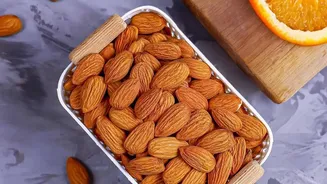
To further buffer any potential impact on blood sugar, consider what you eat alongside your nashpati. Pairing the fruit with a source of protein or healthy fat can slow down digestion and absorption even more. This creates a more stable and sustained energy release, preventing the peaks and troughs that can occur when eating carbohydrates alone. Simple and effective pairings include enjoying a few slices of pear with a small handful of almonds or walnuts, or adding diced pear to a bowl of plain Greek yoghurt. This strategy not only adds nutritional variety but also enhances satiety, making your snack more satisfying and beneficial for glucose control.