







The Case for Running: Cardio and Calorie Burn
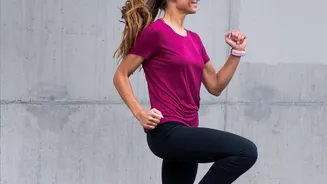
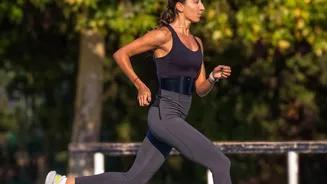
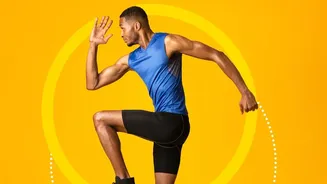
Running is one of the most accessible forms of exercise. All you need is a good pair of shoes and some open space. Its primary benefit is cardiovascular fitness. Regular running strengthens your heart, improves circulation, and can significantly boost
your endurance. It's also a powerful tool for weight management, as it burns a high number of calories. Beyond heart health, running is a weight-bearing exercise, which helps to build and maintain strong bones, reducing the risk of osteoporosis later in life. It also strengthens major muscle groups in your legs and core. Mentally, many runners experience a 'runner's high,' a flood of feel-good endorphins that can reduce stress and improve mood.
The Pilates Proposition: Core Strength and Control
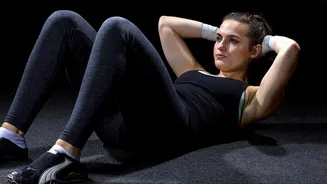
Pilates is a low-impact form of exercise focused on control, precision, and core strength. It can be done on a mat or using specialised equipment like the Reformer. The main goal is to strengthen the deep stabilizing muscles of your torso, hips, and back. This leads to improved posture, better balance, and a significant reduction in issues like lower back pain. Because the movements are controlled and deliberate, Pilates builds muscle endurance and flexibility without adding bulk. It enhances body awareness, teaching you to move more efficiently and mindfully. This focus on controlled movement makes it an excellent choice for improving overall stability and muscle tone.
The Joint Comfort Question: High-Impact vs. Low-Impact
This is where the two disciplines diverge significantly. Running is a high-impact activity. With every stride, your joints—especially your knees, hips, and ankles—absorb a significant amount of force. For individuals with healthy joints, this impact can be beneficial for bone density. However, for those with pre-existing joint pain, arthritis, or a history of injury, running can aggravate these conditions. Pilates, on the other hand, is low-impact and gentle on the joints. It focuses on strengthening the muscles that support the joints, which can help alleviate pain and improve stability. Exercises are often performed lying down or with support, reducing stress on the skeletal system and making it a safer option for those with joint sensitivities or who are recovering from injury.
Your Current Fitness Level Matters
If you are a complete beginner, Pilates can be a more welcoming entry point. The exercises can be easily modified to match any fitness level, allowing you to build foundational strength and body awareness before progressing to more challenging movements. Running can be jarring for a sedentary body. Beginners need to start slowly, perhaps with a walk-jog program, to allow their muscles and joints to adapt and to prevent common overuse injuries like shin splints or runner's knee. For those who are already fit, both activities offer avenues for advancement. Runners can work on speed and distance, while advanced Pilates involves complex sequences that demand incredible strength and control.
Aligning Your Workout With Your Goals
What do you want to achieve? If your primary goal is to improve cardiovascular health, lose weight, or train for a race, running is the more direct route. If your focus is on improving posture, increasing flexibility, building core strength, or alleviating chronic pain, Pilates is likely the better choice. Many people find that running and Pilates are not mutually exclusive but are actually complementary. Strength, stability, and control from Pilates can make you a stronger, more efficient, and less injury-prone runner. Combining the two can offer a well-rounded fitness regimen that covers both cardiovascular health and foundational strength.
The Best of Both Worlds: A Hybrid Approach
You don't necessarily have to choose one over the other. A balanced routine could involve two or three runs a week for cardio, supplemented with one or two Pilates sessions to build core strength, improve flexibility, and aid in recovery. This hybrid approach allows you to reap the benefits of both high-impact cardio and low-impact strength training. Pilates can help correct muscle imbalances and poor movement patterns that running might cause or worsen, ultimately supporting your running longevity. Listening to your body is key; on days when your joints feel sore, a Pilates session is a smarter choice than pounding the pavement.