





The Royal Encounter: Tiger Reserves
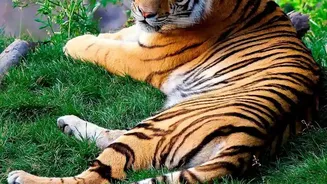
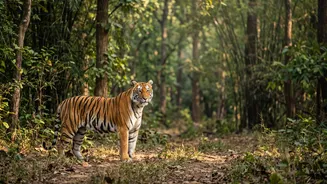
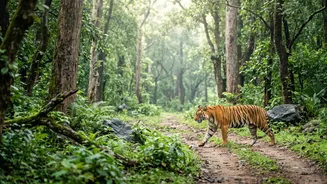
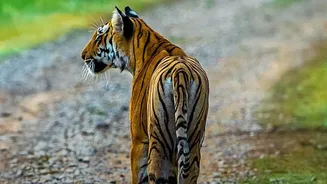
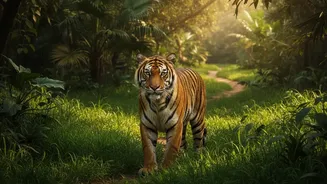
The quest for the Royal Bengal Tiger is the quintessential Indian safari. With a thriving population, India is the best place on earth to see these magnificent predators. Parks like Bandhavgarh in Madhya Pradesh boast the highest tiger density, increasing
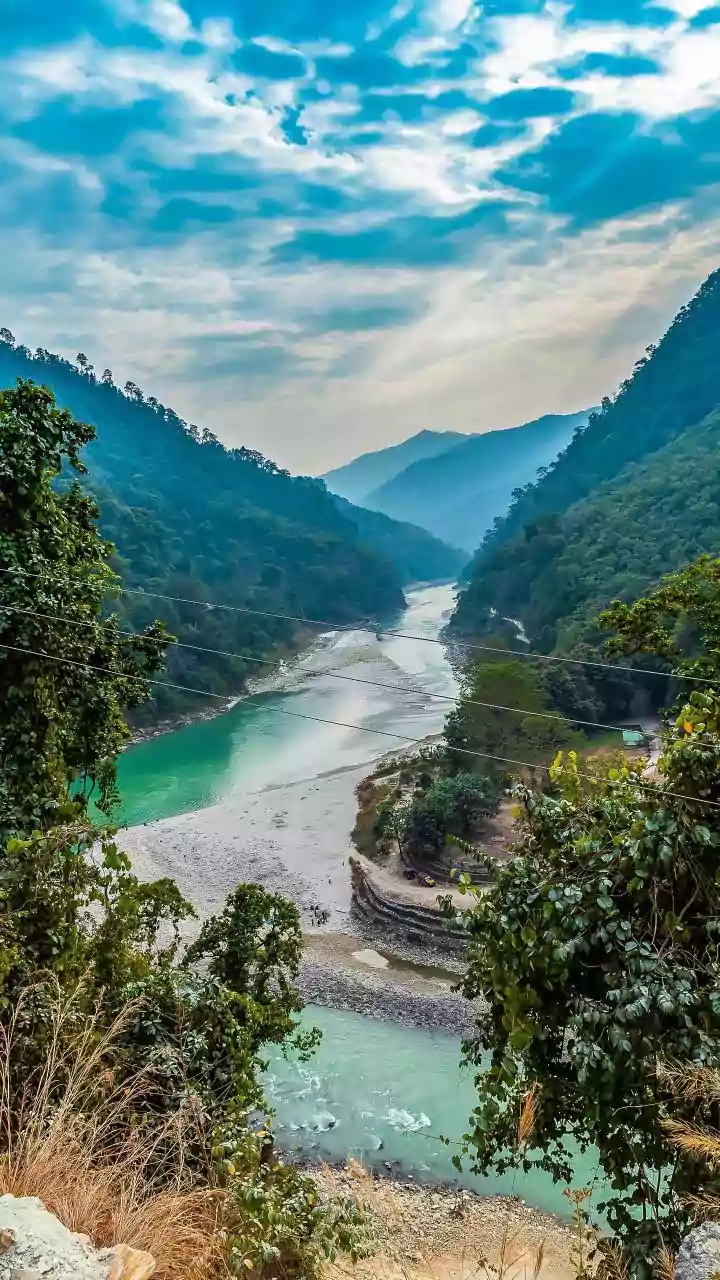
your chances of a memorable sighting. Ranthambore in Rajasthan offers a dramatic backdrop with its ancient fort, where tigers are often active during the day. For those seeking a lush, evergreen landscape, Corbett National Park in Uttarakhand, India's first tiger reserve, provides a chance to see both tigers and elephants in a single habitat. Other prime locations include Kanha, which inspired "The Jungle Book," and Pench, both celebrated for their beautiful forests and significant tiger populations. The thrill lies not just in the sighting but in the chase—following pugmarks, listening for alarm calls, and feeling the jungle's silence before the king appears.
The Elusive Spectacle: Leopard Landscapes
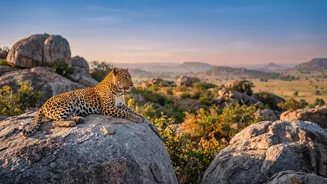
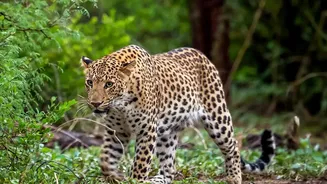
Beyond the tiger's stripes, the rosette-patterned coat of the leopard offers a different kind of thrill. These cats are masters of stealth, but certain regions in India have become famous for leopard sightings. The granite hills of Jawai and Bera in Rajasthan are perhaps the most remarkable, where a unique coexistence between leopards and local communities has made sightings exceptionally reliable. Here, safaris are specifically geared towards finding leopards as they navigate the rocky outcrops. Unlike in dense tiger reserves where they often remain hidden, the open terrain of Jawai allows for prolonged observation. While leopards are found in many of India's national parks, including Satpura and Nagarhole, Jawai provides a focused experience, turning the spotlight fully on this incredibly adaptable and elusive predator.
The Gentle Giants: Elephant Corridors
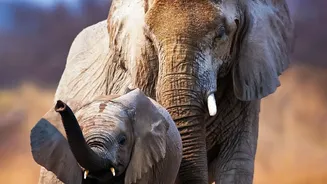
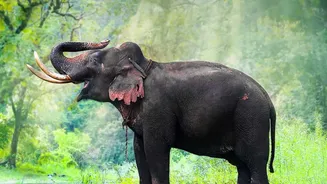
Witnessing a herd of Asiatic elephants is a powerful and humbling experience. For this, Kaziranga National Park in Assam is unparalleled. A UNESCO World Heritage Site, it's famous for its one-horned rhinoceroses but is also a crucial habitat for elephants. Traversing its vast grasslands, especially on an early morning elephant-back safari, provides a unique perspective and close encounters. In the south, Periyar Wildlife Sanctuary in Kerala offers a different setting, where you can see herds bathing and drinking by the scenic lake. Corbett National Park also supports a healthy elephant population along the Ramganga river. These safaris are less about a single dramatic sighting and more about observing the complex social dynamics of these intelligent creatures in their natural environment.
Planning Your Adventure: Seasons and Zones
Timing your visit is crucial for a successful safari. The best period for most parks is from October to June. The winter months (November to February) offer pleasant weather, but the hot summer months (March to June) are often considered the best for tiger sightings, as animals congregate around the few remaining water sources. Most national parks close their core zones during the monsoon season (July to September). Furthermore, parks are divided into different safari zones or gates. Popular zones in parks like Ranthambore, Corbett, or Kanha have better sighting records and get booked out months in advance. Researching which zones are best for your target species and booking accordingly can make all the difference. For example, Dhikala in Corbett and the core zones of Bandhavgarh are highly sought after.
The Permit Puzzle: Booking Your Safari
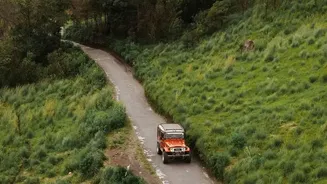
Indian safari permits are a key part of planning. They must be booked online, well in advance, through official government portals. Permits for popular parks and zones often sell out within minutes of their release, which can be 90-120 days before the visit date. To book, you need the full name, age, gender, and a government-issued ID number for every visitor, and this ID must be carried on the safari for verification. Any mismatch can result in denied entry. You'll choose between a smaller, private Jeep (usually for up to 6 people) or a larger, shared Canter (a 20-seater open bus), which is more budget-friendly but less flexible. For first-timers, using a reputable local tour operator can simplify this complex process, ensuring you get the right permits, zones, and guides.
The Responsible Traveller: Behaviour and Ethics
A great safari is a responsible one. The core principle is to observe without disturbing. This means maintaining a respectful distance from animals, keeping your voice down, and never feeding them. Follow your guide’s instructions; they are trained to read animal behaviour and ensure safety. Avoid wearing bright colours, which can startle animals. True responsible tourism also means choosing ethical operators and accommodations that contribute to local communities and conservation efforts. By being a mindful visitor, you not only enhance your own experience but also help protect these precious ecosystems for future generations. The goal is to leave the wilderness as you found it, taking only memories and photographs.