





The Search for Something More
For years, the peak of luxury travel was defined by blissful inaction. A stunning backdrop, five-star service, and the freedom to do absolutely nothing were the ultimate goals. Yet, an increasing number of guests are finding that passive relaxation is no longer
enough. The shift is from simply being in a place to truly engaging with it. This trend, often called experiential or transformative travel, is about finding purpose in leisure. Modern tourists are no longer content to be passive observers; they want to be active participants. This desire for more has been accelerated by a collective introspection, with many people re-evaluating what they want from their time off. The result is a move away from collecting destinations to collecting experiences that foster personal growth and genuine understanding.
What 'Meaningful' Really Means
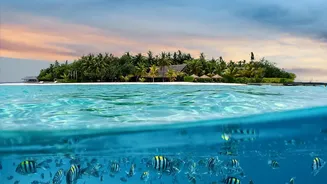
Meaningful travel isn't about a packed itinerary; it is about intention. It is the difference between watching a chef prepare a meal and joining a cooking class to learn the secrets of local cuisine yourself. It’s about moving beyond staged cultural shows to participating in workshops with local artisans, understanding their craft and supporting their economy. In lagoon destinations, this can take many forms. Instead of just snorkelling over a reef, guests are now invited to participate in coral planting initiatives, actively helping to restore the very ecosystem they are admiring. This approach goes beyond mere activity; it fosters a deeper connection to the environment and the local community, turning a simple holiday into a journey of learning and contribution. It's travel that changes the traveller, leaving them with more than just a camera roll of beautiful pictures.
From Kerala's Backwaters to Maldivian Atolls
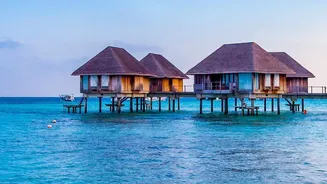
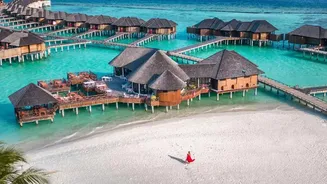
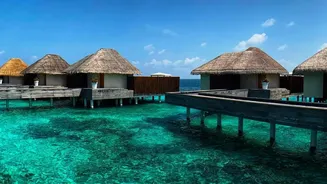
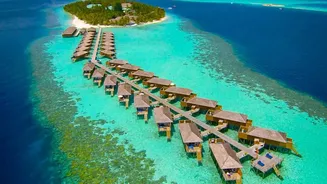
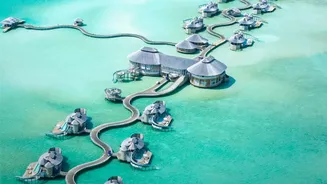
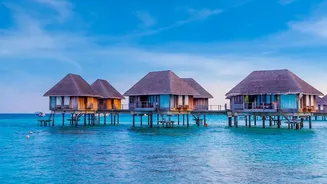
This trend is vividly coming to life in destinations beloved by Indian travellers. In the serene backwaters of Kerala, luxury resorts are integrating authentic local life into the guest experience. Beyond the classic houseboat cruise, visitors can now engage in village walks, learn traditional fishing techniques from local experts, or explore organic spice gardens. Similarly, in the Maldives, resorts are moving past the image of isolated overwater bungalows. Many now offer robust community engagement programs, inviting guests to visit neighbouring islands, participate in school support initiatives, or collaborate with marine biologists on conservation projects. These initiatives create a bridge between tourists and the local population, fostering mutual respect and ensuring that the benefits of tourism are shared more equitably.
Wellness Beyond the Spa
The quest for meaning has also reshaped wellness travel. While spas and massages remain popular, the definition of wellness is expanding to encompass mental, emotional, and spiritual health. Travellers are seeking out retreats that offer more than just physical pampering. This includes guided meditation sessions at sunrise, yoga workshops that delve deep into philosophy, and digital detox programs that encourage a reconnection with oneself and nature. These holistic experiences are designed to provide lasting benefits that extend far beyond the duration of the trip. The focus is on acquiring new skills and perspectives that can be integrated into daily life. This evolution marks a significant shift from wellness as a luxury to wellness as a practice of intentional living, learned and honed while away.