

A Legacy of Royal Kitchens
The story of Malai Kofta begins in the opulent kitchens of the Mughal Empire. The term 'kofta' itself has roots in Persian and Central Asian cuisine, originally referring to spiced meatballs. When these culinary traditions arrived in India, they were
adapted to local tastes. To cater to vegetarian nobles and courtiers, royal chefs ingeniously replaced minced meat with mashed potatoes and paneer (Indian cottage cheese), creating a vegetarian delicacy that was just as spectacular. This adaptation cemented its status as a dish fit for royalty, a symbol of luxury that has endured for centuries.
The Art of the Kofta
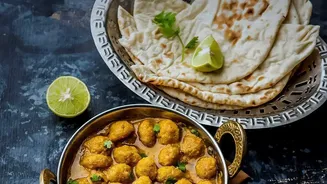
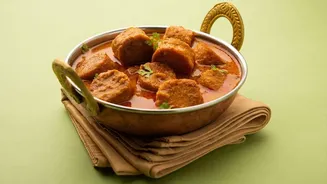
At the heart of the dish is the kofta itself—a marvel of texture. These dumplings are typically made from a mixture of finely grated paneer and boiled, mashed potatoes. Often, they are studded with chopped nuts like cashews and sweet raisins for an extra layer of complexity. This mixture is seasoned with gentle spices, bound with a little cornstarch, and then deep-fried until perfectly golden brown. The result is a delightful contrast: a crisp outer layer that gives way to an impossibly soft, melt-in-your-mouth interior. This textural perfection is a key reason the dish feels so special; it's a far cry from a simple vegetable curry.
A Symphony in Silky Gravy
If the kofta is the star, the 'malai' (cream) gravy is its luxurious stage. Unlike many Indian curries that are fiery and heavily spiced, Malai Kofta’s sauce is known for its subtlety and richness. The base is a smooth puree of onions, tomatoes, and, crucially, ground cashews, which impart a natural sweetness and a velvety consistency. The gravy is finished with a generous amount of cream, which gives the dish its signature silky texture and name. This mild, aromatic sauce envelops the koftas, creating a harmonious balance of flavours that is rich without being overwhelming. To achieve the signature restaurant-style smoothness, many chefs strain the gravy to remove any fibrous bits from the whole spices and aromatics.
The Centrepiece of Celebration
The multi-step process and rich ingredients have long established Malai Kofta as a dish for special occasions. It’s not an everyday meal but a labour of love, making it a staple at weddings, festivals like Diwali, and significant family gatherings. Its presence on a menu instantly elevates the meal, signalling a sense of hospitality and abundance. For many diners, ordering Malai Kofta in a restaurant is a way to enjoy a complex, celebratory dish without the extensive effort required to make it at home, turning a festive luxury into an accessible indulgence. It has become one of the most popular vegetarian items ordered in Indian restaurants worldwide for this very reason.