





The Sanctions Explained
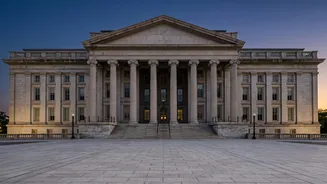
On Monday, the U.S. Treasury Department announced a major expansion of sanctions against Iran, dubbed “Operation Economic Outcast”. This initiative specifically targets five critical sectors of the Iranian economy: shipping, technology, aviation, gold,
and digital assets. The measures broaden the U.S. government's authority to penalise foreign companies and individuals who provide services to these sectors. Treasury Secretary Scott Bessent described the move as an “economic onslaught” and a form of “economic asphyxiation,” warning that any entity facilitating transactions or laundering money for Iran will risk being cut off from the U.S. dollar-based financial system. The action is part of a sustained effort to isolate Tehran financially and choke off revenues the U.S. says are used to fund military activities and regional instability.
Spotlight on the Targets
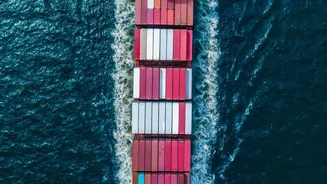
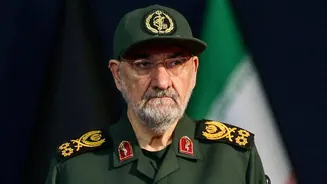
The latest sanctions blacklist nearly 60 individuals, companies, and vessels across multiple jurisdictions, including the United Arab Emirates, Hong Kong, and China. The primary focus is on Iran's so-called “shadow fleet” of oil tankers and the international networks that help sell and transport Iranian petroleum and petrochemicals. For example, the Treasury Department accused Iran's national shipping line of transporting weapons components and its tanker service of moving oil on behalf of the government and military. On the technology front, one of the designated entities is Dadengar Startup Studio, which the U.S. alleges procured commercial satellite imagery to assist with military targeting for the Islamic Revolutionary Guard Corps (IRGC). The IRGC's Cyber-Electronic Command was also targeted for its alleged role in gathering intelligence.
The Rationale From Washington
U.S. officials have framed this move as a necessary step to counter Iranian aggression and restrict the revenue it uses to support terrorism, oppress its people, and destabilize the Middle East. The action follows months of heightened tensions, including disruptions to shipping in the crucial Strait of Hormuz. The stated goal is to sever every economic lifeline sustaining the Iranian government, forcing it to choose between “complete global isolation and a subsistence economy, or a path back to normalcy,” according to Secretary Bessent. The focus on technology, particularly drones (UAVs), is also a key aspect. U.S. authorities have repeatedly warned about Iran's drone program, which it says poses a threat to international peace and is used to supply proxies and allies, including Russia.
A Strategy Beyond the Headlines
This campaign represents a pivot towards achieving foreign policy goals through maximum financial isolation, rather than direct military force. By targeting entire sectors like shipping and technology, Washington is applying secondary sanctions, which significantly raises the stakes for third-party countries and international businesses. Companies in China, Turkey, and the UAE—all major trading partners with Iran—now face increased risk. The strategy is to close loopholes that Iran has successfully used to evade previous sanctions, often by creating complex networks of front companies to handle procurement and sales. The U.S. is signaling that operating in the “gray spaces” of international trade with Iran is no longer acceptable and that it expects global partners to cut their economic ties.
Potential Ripple Effects
The immediate impact has been felt in Iran, where the currency, the rial, has hit new record lows against the U.S. dollar on informal markets. However, the broader consequences are yet to unfold. Iran has dismissed the sanctions, with officials stating they have plans to manage the economic fallout and have weathered such pressure before. The real test will be how Iran's major trading partners, particularly China, react. While the U.S. has warned that no one is above the reach of its sanctions, it has so far held off on targeting major Chinese banks, likely wary of potential economic retaliation. The move could further strain global supply chains and energy markets, which are already navigating the disruptions caused by the naval blockade in the Strait of Hormuz. The ultimate question is whether this “economic D-Day” will force Tehran to change its policies or simply entrench its position and escalate regional tensions.