

The Billion-Dollar Pearl
The numbers behind Phu Quoc's rise are nothing short of remarkable. In the first seven months of 2026 alone, the island generated tourism revenue estimated at over VND 36.4 trillion, which converts to approximately $1.43 billion USD. This figure was driven
by a massive influx of more than 6.8 million visitors, a year-on-year increase of over 30%. Even more telling is the surge in international tourism; the island welcomed over 1.5 million foreign visitors during the same period, a jump of more than 53%. This blistering pace of growth has not gone unnoticed, with Phu Quoc's performance outshining established luxury destinations like the Maldives in terms of visitor growth for the first half of the year. The island is rapidly shedding its 'hidden gem' status and becoming a primary engine for Vietnam's tourism ambitions.
The Recipe for a Boom
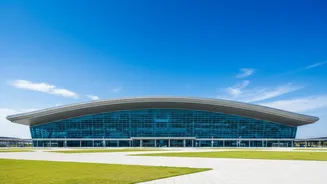
This success is not accidental but the result of a coordinated strategy involving government policy and massive private investment. A cornerstone of this growth is a liberal visa policy that grants international visitors a 30-day visa exemption, a significant competitive advantage over regional peers. This open-door approach has been complemented by a dramatic expansion of Phu Quoc International Airport's connectivity, with new direct flights linking the island to key markets like South Korea, India, Taiwan, and Singapore. Simultaneously, colossal investments from major corporations such as Sun Group and Vingroup have funded the development of sprawling, world-class resorts, entertainment complexes, and casinos, creating a sophisticated tourism ecosystem from the ground up.
More Than Just Beaches
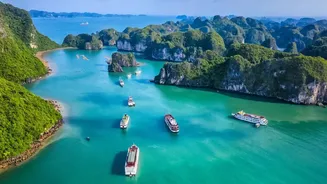
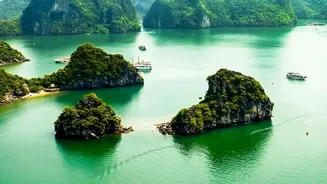
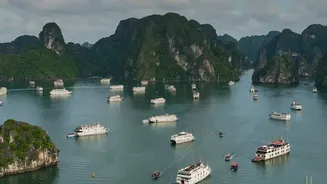
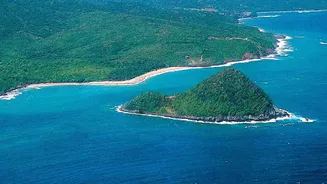
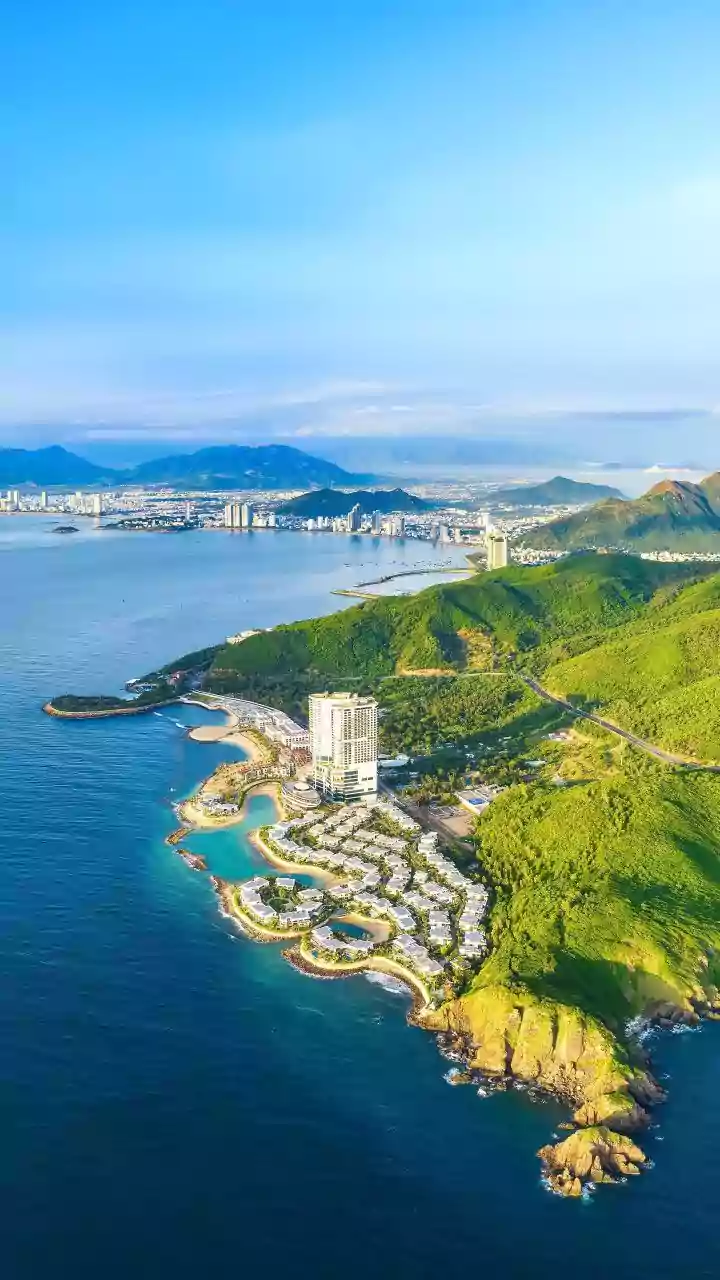
While Phu Quoc is blessed with pristine beaches like the highly-rated Kem Beach, its modern appeal lies in a diverse array of attractions that cater to a global audience. Tourists are flocking to experience spectacular entertainment like the 'Kiss of the Sea' multimedia show and large-scale New Year's countdown parties held in purpose-built venues like Sunset Town. This blend of natural beauty with high-tech amusement distinguishes it from destinations that rely solely on their landscape. Prestigious travel publications have taken note, with Travel + Leisure highlighting the island's unique ability to offer a 'sense of discovery' that is often lost in more crowded hotspots like Phuket and Bali. This perception as a fresh, yet developed, destination has become one of its most powerful marketing tools.
The Challenge of Explosive Growth
However, this rapid ascent brings significant challenges. The sheer volume of visitors is placing immense pressure on the island's infrastructure and natural environment. Local tourism leaders have acknowledged that the surge in arrivals demands higher service standards, more robust environmental protection measures, and richer visitor experiences to ensure long-term sustainability. Managing waste, protecting marine ecosystems like coral reefs, and ensuring that development does not overwhelm the local culture are now critical priorities. The island finds itself at a crossroads, needing to carefully manage its success to avoid the pitfalls of overtourism that have plagued other tropical paradises.