


The Sleeping Giant in the Clove
A whole, intact garlic clove is surprisingly mild and has very little of its characteristic pungent smell. Inside its cells, two key components are kept separate: a sulfur compound called alliin and an enzyme named alliinase. Think of them as ingredients
for a potent flavour bomb that are stored in different compartments. As long as the cell walls of the clove are unbroken, these two can't mix, and the garlic's powerful flavour potential remains locked away. This is why a whole head of garlic roasted in the oven becomes sweet and gentle, as the enzyme is deactivated by heat before it ever gets a chance to meet the alliin.
The Chemical Reaction on Your Cutting Board
The real action begins the moment you press, chop, or crush a garlic clove. Damaging the cell walls is the trigger that finally allows alliin and alliinase to mix. This rapid chemical reaction creates a new, highly volatile compound: allicin. Allicin is the primary compound responsible for that sharp, biting flavour and pungent aroma we associate with fresh, raw garlic. It is garlic's natural defense mechanism against pests, but for us, it's the source of its culinary power. The more cell walls you break—by mincing or crushing finely—the more allicin is produced, resulting in a stronger, more aggressive flavour. A rough chop, by contrast, creates a milder taste.
A Simple Trick for More Flavour
If you want to maximize the garlicky punch in a dish, there's a simple trick many chefs use: wait. After chopping or mincing your garlic, let it sit on the cutting board for about ten minutes before adding it to heat. This waiting period allows the alliinase enzyme more time to convert alliin into allicin, developing a deeper and more robust flavour before the cooking process even starts. Throwing it into a hot pan immediately can deactivate the enzyme prematurely, cutting the flavour-making reaction short.
How Heat Transforms Garlic's Taste
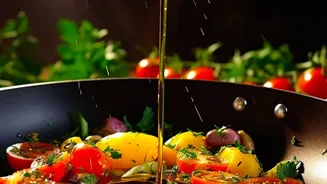
Allicin is highly unstable and sensitive to heat. When you cook garlic, the allicin begins to break down and transform into a whole new family of sulphur compounds, such as diallyl disulfide. This is why cooked garlic tastes so different from raw garlic. The cooking method has a huge impact on the final flavour. Quickly sautéing minced garlic in hot oil will retain some of its pungency, resulting in a sharp, aromatic base for a stir-fry or tadka. Slow-cooking garlic over gentle heat, however, allows for a more complex transformation. The sharp allicin disappears, and sweeter, nuttier, and more savoury notes emerge as different sulphur compounds are formed and the garlic's natural sugars begin to caramelise.
From Pungent to Sweet and Savoury
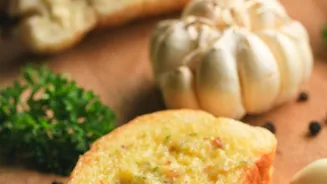
Think of the different ways garlic shows up in your food. Roasting a whole head of garlic turns it soft, creamy, and incredibly sweet, perfect for spreading on bread. This is because the slow, gentle heat breaks down the pungent compounds and brings out the natural sugars. Frying sliced garlic until golden and crisp, as a garnish for dal or biryani, creates a nutty, savoury flavour with a satisfying crunch. Boiling garlic in a soup or curry gives a much milder, more subtle background warmth, as many of its flavour compounds leach into the surrounding liquid. Each method creates a unique profile by controlling the breakdown of those initial sulphur compounds.