





Meet the U1: A Companion, Not a Butler
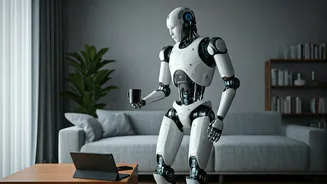
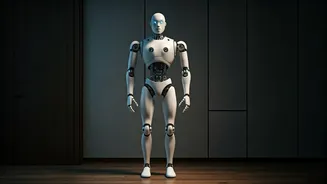
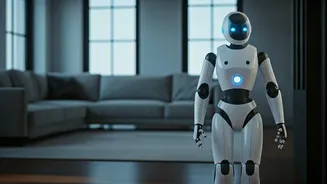
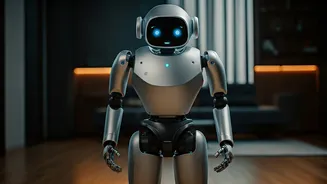
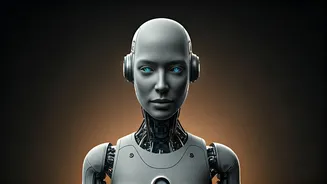
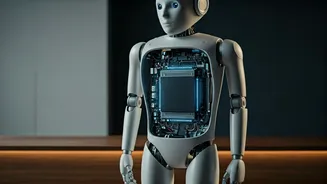
Chinese firm UBTech recently launched its U1 series of hyper-realistic humanoid robots. Unlike industrial counterparts designed for factory work, the U1 is marketed as a 'cyber companion' aimed at combating loneliness. It comes in male and female forms,
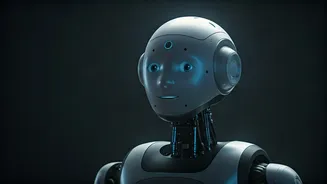
standing at a human-like 183cm and 168cm respectively. The key selling point is not physical labour—it won't cook or clean for you—but emotional connection. Equipped with cameras, microphones, and an advanced AI, the U1 is designed to hold conversations, offer soothing words, remember user preferences, and even suggest watching a World Cup match together. Its skin is made of a supple, lifelike silicone, and with up to 88 high-precision joints, it can replicate nuanced movements like blinking.
The Million-Rupee Question: What Justifies the Cost?
The 'premium' in the price tag is no exaggeration. The U1 series starts with a half-body 'Lite' version at around 119,800 yuan (approx. ₹14.7 lakh). The full-body 'Pro' model costs 169,800 yuan (approx. ₹20.8 lakh), while the flagship 'Ultra' version reaches a jaw-dropping 990,000 yuan (approx. ₹1.2 crore). This astronomical cost is a result of the sophisticated technology packed inside. The hyper-realistic appearance, with details down to fingerprints and blood vessels, requires expensive materials and craftsmanship. The high number of precision joints for lifelike movement, combined with advanced AI processing hardware like NVIDIA's Jetson Orin platform and a powerful Intel Core i7 computer, drives the cost up significantly. This isn't just a gadget; it's a culmination of years of high-cost research and development in robotics and artificial intelligence.
Who Is Buying This?
So, who is the target audience for a companion robot that costs more than a luxury car? UBTech is primarily targeting two large demographics in China: single individuals and the elderly, markets that represent nearly 440 million people combined. The company's brand head stated these groups have a "great need for companionship." Despite the high price, the strategy seems to be working, with UBTech reporting over 13,300 pre-orders ahead of its September delivery schedule. This suggests a niche but willing market of early adopters and high-net-worth individuals who are buying into the promise of a robot that "will never betray you, will always be loyal to you, and will love you unconditionally."
Context Is Key: The Broader Robotics Market
While the U1's price is shocking, it exists within a rapidly evolving humanoid robot market. At the lower end, educational and developer kits are becoming more accessible. The Unitree G1, for example, offers a full-featured humanoid for around $16,000 (approx. ₹13.3 lakh). In the industrial space, robots like UBTech's own Walker S series, designed for factory automation, are priced between $50,000 and $150,000 (approx. ₹41 lakh to ₹1.25 crore). Meanwhile, companies like Tesla with its Optimus robot are aiming for a mass-market price point of around $25,000-$30,000. The U1's unique proposition is its focus on hyper-realism and companionship, placing it in a new, premium consumer category that blurs the line between technology and luxury good.
The Path to an Affordable Future
For most people in India and around the world, a personal robot remains a distant dream. However, UBTech's chairman, Zhou Jian, has stated that there is significant room for price reductions as the company achieves mass production. The journey of humanoid robots is expected to follow the same path as other technologies like personal computers and smartphones: starting as expensive, niche products before economies of scale make them affordable for the average household. Analysts predict that by the early 2030s, full-featured consumer humanoids could cost between $10,000 and $20,000 (approx. ₹8 lakh to ₹16 lakh), comparable to a high-end appliance or a used car today.