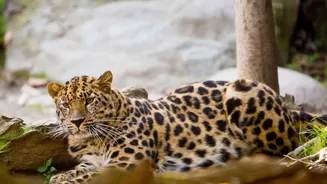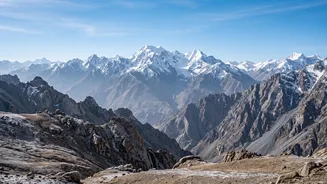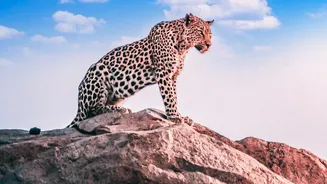
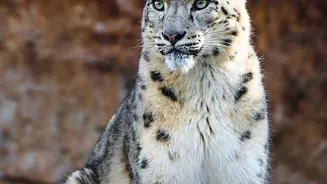

In the stark, breathtaking landscapes of Ladakh, an exciting new adventure awaits. India has officially launched its first high-altitude wildlife safari, a regulated journey into the realm of the elusive and majestic snow leopard.
The Ghost of the Mountains Beckons
Known as the 'Ghost of
the Mountains' for its solitary nature and incredible camouflage, the snow leopard is one of the world's most mysterious big cats. For years, spotting one in the wild has been the ultimate prize for dedicated wildlife enthusiasts, requiring strenuous treks and a great deal of luck. Ladakh is a global hotspot for these creatures, home to an estimated 477 of India's total population of 718. The launch of this safari formalizes the quest, making the dream of seeing a 'Shan'—the Ladakhi name for the cat—a more accessible, structured, and responsible reality.
What is the New Safari?
On October 7, 2026, Ladakh's Lieutenant Governor Vinai Kumar Saxena flagged off the first fleet of six specially designed, open-back safari vehicles, officially kicking off the initiative. This isn't a private enterprise but a government-supported program run by the Snow Leopard and High-Altitude Nature Conservation (SHAN) Society in collaboration with Ladakh's Department of Forest, Ecology and Environment. The initial routes will cover the areas of Rumbak, Shang, and Ulley—valleys already famous among trackers for frequent snow leopard sightings. The plan is to eventually expand the safari routes to other prime habitats like Hemis National Park and the Karakoram Wildlife Sanctuary.
A Journey into a Fragile World
A trip to see snow leopards is an adventure that demands respect for the environment. These safaris operate at altitudes soaring between 2,750 and 5,000 meters, where the air is thin and temperatures can be punishingly cold. The best time for sightings is during the winter, from November to March, when the snow leopards' primary prey, like the blue sheep (bharal) and ibex, move to lower valleys, with the predators following close behind. Visitors will need to spend a few days acclimatizing in Leh before heading to higher elevations. The safaris are led by trained local drivers and wildlife guides who know the terrain and the animals' behavior, using their expertise to track the cats responsibly.
More Than Just Leopards
While the snow leopard is the star attraction, the high-altitude ecosystem of Ladakh is rich with other unique wildlife. A safari here offers the chance to spot the Himalayan Brown Bear, Tibetan wolf, red fox, and majestic birds of prey like the Golden eagle and Bearded vulture. The landscape itself is a major draw, with its dramatic, frozen rivers and vast, silent valleys offering a profound sense of wilderness. The safari is designed as a holistic nature experience, showcasing the full spectrum of Ladakh's incredible biodiversity, which includes over 340 bird species and around 1,800 types of plants.
Conservation Through Community
This initiative is about more than just tourism; it's a model for community-led conservation. For years, organizations like the Snow Leopard Conservancy India Trust have worked with local villages to reduce human-wildlife conflict. By helping build predator-proof livestock corrals and promoting homestays, they have turned local communities from adversaries into protectors of the snow leopard. The new safari builds on this foundation by creating sustainable local jobs for guides and drivers and ensuring that tourism revenue directly benefits the communities that share their land with this wildlife. It also aims to curb illegal off-roading, which can damage the fragile ecosystem. This approach empowers local people, giving them a stake in the long-term protection of their natural heritage.