



A Challenge to the Old Guard
At its core, the BRICS group—originally Brazil, Russia, India, and China, later joined by South Africa and recently expanded further—was formed as a platform for major economies that felt sidelined by a global system designed in the aftermath of World
War II. This system, dominated by Western powers, created institutions like the International Monetary Fund (IMF) and the World Bank. For decades, these bodies have been led by Americans and Europeans, and their voting structures grant outsized influence to the United States and its allies. BRICS members argue this arrangement no longer reflects contemporary economic reality, where emerging markets account for a significant and growing share of global GDP. Their persistent call for reform is a direct challenge to this legacy power structure, advocating for a multipolar world where decision-making is more distributed.
The Imbalance in Global Finance
The sharpest critiques from BRICS are often aimed at the global financial architecture. Member nations have long expressed frustration with the conditionalities attached to IMF and World Bank loans, which they argue can infringe on national sovereignty and impose Western-centric economic policies. A key grievance is the distribution of voting power. Despite their massive populations and economic weight, BRICS countries have a limited say in the leadership and direction of these institutions. This perceived inequity was a primary driver for the bloc to not just call for reform, but to begin building its own alternatives. The push for de-dollarisation, or at least trading more in local currencies, is another facet of this, aimed at reducing vulnerability to the policies and sanctions of the United States.
Building a Parallel System
Rather than just criticising, BRICS has taken concrete steps to build parallel institutions. The most prominent examples are the New Development Bank (NDB) and the Contingent Reserve Arrangement (CRA). Launched in 2014, the NDB was created to finance infrastructure and sustainable development projects in member countries and other emerging economies. Unlike the IMF and World Bank, the NDB's founding members have equal voting rights, a direct institutional answer to their calls for more equitable governance. The CRA, a $100 billion fund, was established to provide a financial safety net for members facing currency crises, offering an alternative to turning to the IMF. These institutions are designed to complement, and at times compete with, the existing Bretton Woods system, giving the Global South alternative sources of financing.
Seeking a Stronger Political Voice
The quest for greater representation extends beyond economics into the political arena. A recurring theme in BRICS declarations is the call for a comprehensive reform of the United Nations, particularly the Security Council (UNSC). Countries like India, Brazil, and South Africa have long campaigned for permanent seats on the council, arguing that its current composition is an anachronism that doesn't reflect the geopolitical landscape of the 21st century. By collectively demanding reform, the BRICS bloc amplifies the voices of developing countries from Africa, Asia, and Latin America, pushing for a more democratic and representative UN that can adequately address global challenges.
Expansion as a Strategy
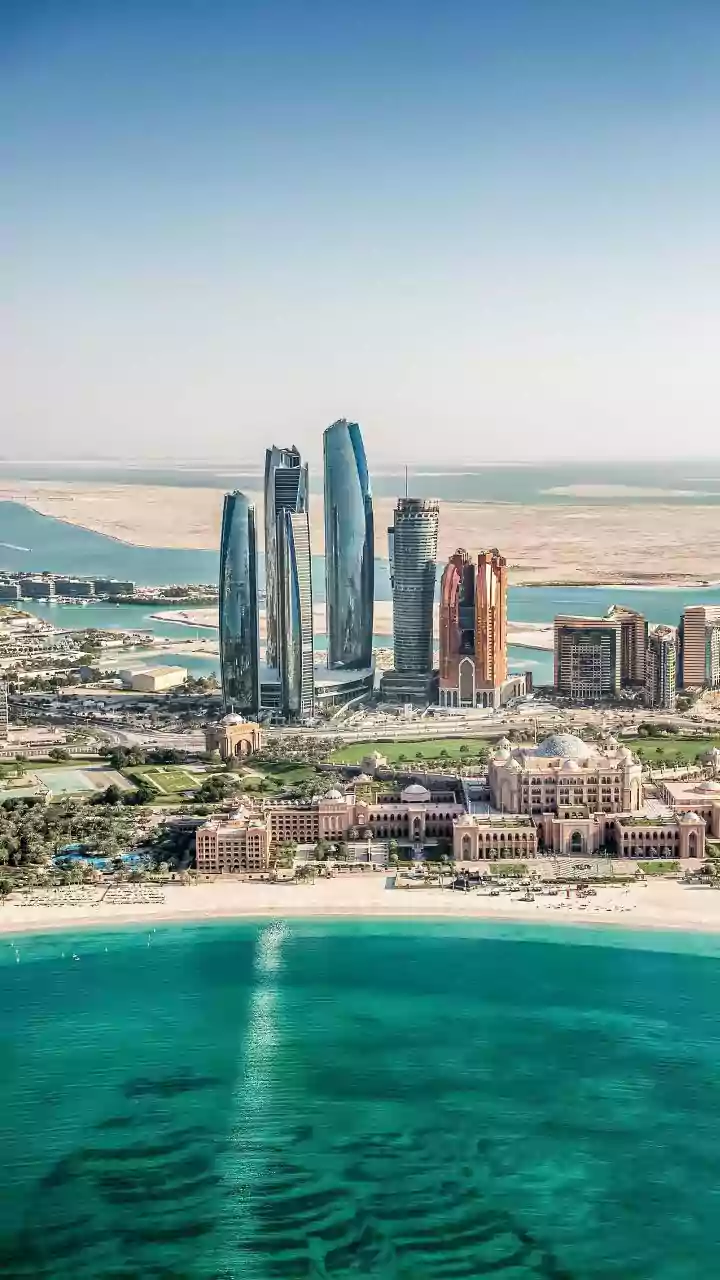
The recent expansion of BRICS to include countries like Egypt, Ethiopia, Iran, Saudi Arabia, and the UAE is a direct manifestation of its focus on representation. By broadening its membership, the bloc strengthens its claim to speak for the Global South and increases its collective economic and demographic heft. Now representing nearly half the world's population, the expanded group aims to create a more balanced world order. This growth is a strategic move to demonstrate that the desire for a reformed, inclusive multilateral system is not limited to the original five members but is a shared aspiration among a diverse range of emerging powers seeking to reshape global governance on their own terms.