






The Invisible Danger: What is PM2.5?
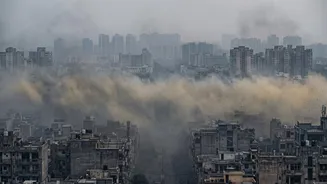
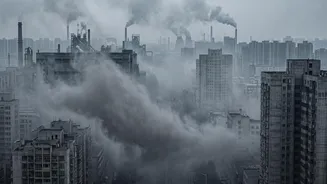
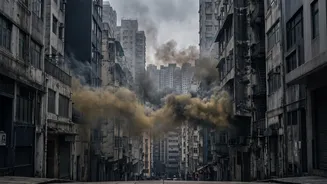
The primary villain in this story is particulate matter 2.5, or PM2.5. These are microscopic particles, more than 100 times thinner than a human hair, that are suspended in the air. They come from a variety of sources, including vehicle emissions, industrial
output, construction dust, and seasonal crop burning. Because of their minuscule size, they bypass the body's natural defences. Instead of being coughed out, they can travel deep into the lungs and even enter the bloodstream, carrying with them a cocktail of toxic compounds. This ability to penetrate our body's deepest recesses is what makes PM2.5 a significant and insidious health threat for millions.
The Scientific Verdict: Air Pollution as a Carcinogen
The 'debate' over whether air pollution can cause cancer is largely settled in the scientific community. As far back as 2013, the World Health Organization's International Agency for Research on Cancer (IARC) officially classified outdoor air pollution as a 'Group 1 carcinogen'—the same category as tobacco smoke and asbestos. This means it is definitively proven to cause cancer in humans. The IARC specifically identified particulate matter as a key cancer-causing agent within air pollution, linking it most strongly to lung cancer, but also noting an association with an increased risk for bladder cancer. The science is clear: the air in polluted cities like Delhi is not just dirty; it is carcinogenic.
How Pollution Turns the Body Against Itself
The mechanism by which PM2.5 promotes cancer is complex. For years, it was thought to directly damage DNA, similar to how smoking does. However, newer research shows a different, more subtle process. Many people have pre-existing, harmless mutations in their lung cells that accumulate with age. When PM2.5 particles lodge in the lungs, they trigger a chronic inflammatory response from the immune system. This persistent inflammation can 'wake up' these dormant mutated cells, causing them to proliferate and grow into a cancerous tumour. This explains the alarming rise in lung cancer cases among non-smokers in highly polluted areas. Studies show that long-term exposure can activate specific cancer-promoting genes and pathways, essentially creating a fertile ground for cancer to develop.
Beyond the Lungs: A Systemic Threat
While lung cancer is the most documented outcome, the damage is not confined to the respiratory system. Because PM2.5 particles enter the bloodstream, they can circulate throughout the body, triggering inflammation and increasing cancer risk in other organs. Studies have found associations between long-term exposure to high levels of air pollution and an increased mortality risk from cancers of the breast, liver, pancreas, and digestive tract. Emerging research is also exploring links to gynaecological cancers, suggesting that the systemic inflammation caused by pollutants could influence hormone-sensitive tissues. This highlights that air pollution is not just a lung problem but a whole-body health crisis.
The Scale of the Problem in Delhi
In Delhi, air pollution levels frequently spiral into the 'Severe' and 'Hazardous' categories, especially between October and February. These levels are many times higher than the safety guidelines recommended by the WHO. Some analyses have equated living and breathing in Delhi during its worst pollution episodes to smoking several cigarettes a day. This sustained, high-level exposure means the health risks are not theoretical but a daily reality for millions. The rising number of lung cancer cases among non-smokers in India is a stark indicator of this environmental health crisis, with deaths attributable to ambient PM2.5 pollution having risen dramatically in recent decades.