





More Than Just Houseboats
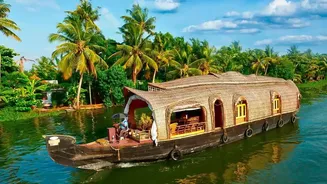
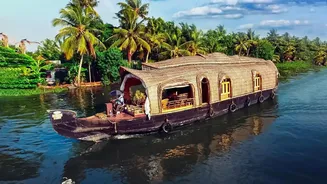
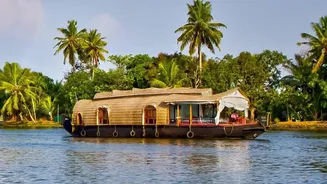
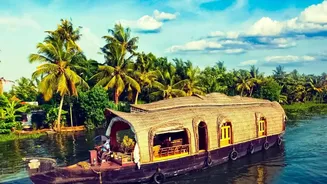
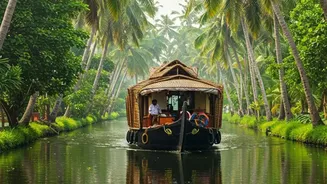
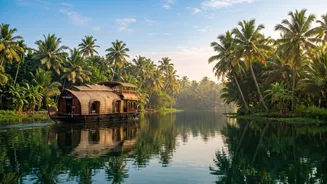
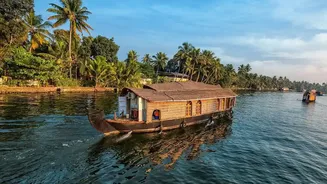
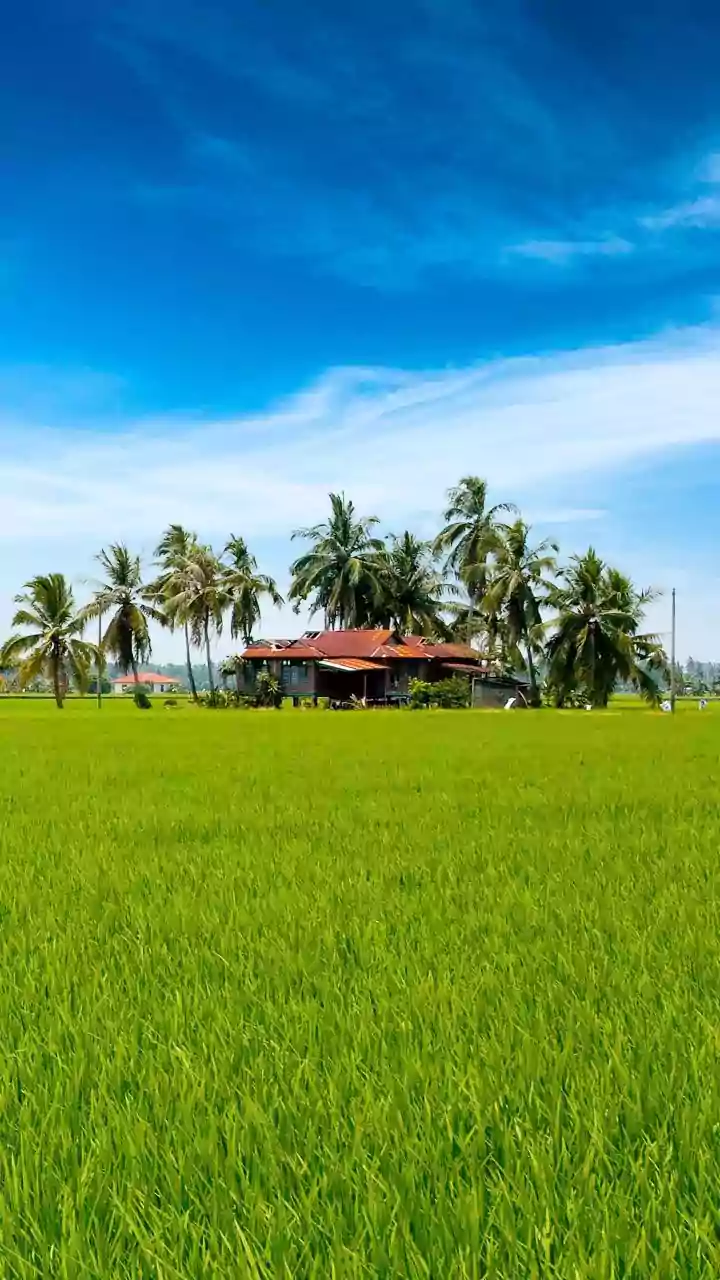
When you picture Kerala, images of serene backwaters and palm-fringed canals likely come to mind. While iconic, this postcard view only scratches the surface of what makes its approach to tourism so compelling. The real story lies in the state’s Responsible
Tourism (RT) Mission, a groundbreaking initiative launched in 2017 to formalize a simple but powerful idea: tourism should benefit local people and protect the environment. Unlike mass tourism that often funnels profits away from communities, Kerala's model is built on putting them at the center. This means connecting travelers with village life, promoting local artisans, and ensuring that the money spent by visitors stays within the local economy, creating a more resilient and equitable system.
An Engine for Community Empowerment
The true impact of the Responsible Tourism Mission is best measured in livelihoods. The model actively creates economic opportunities for residents through everything from homestays and farm tours to guide services and culinary experiences. A key focus has been on empowering women, who lead numerous self-help groups that provide catering, manage handicraft units, and organize village tours. This people-first approach ensures that tourism is not an intrusive force but a collaborative enterprise. It allows local farmers, artists, and entrepreneurs to become direct stakeholders in the tourism economy, preserving their cultural heritage not as a museum piece, but as a living, breathing part of the visitor experience.
Evolving for a New Era of Travel
Kerala’s model isn't a static achievement; it’s a living framework that continues to adapt. In the wake of the pandemic, the state has leaned into new trends, promoting experiential packages where visitors can stay longer to learn a local craft or art form. There is a growing focus on wellness and Ayurveda, with the state winning awards as a top wellness destination and planning an international conclave for February 2026 to reinforce its leadership. Furthermore, new campaigns are shifting the narrative from just seeing Kerala to truly experiencing it, encouraging mindful travel and deeper connections. The government is also looking to grant official 'industry status' to the tourism sector, which would unlock greater support for sustainable and eco-friendly projects.
Addressing Modern Challenges
The journey is not without its hurdles. Popular destinations can face overcrowding, and the state's fragile ecosystem is vulnerable to environmental pressures like waste management and the impacts of climate change. However, Kerala is actively addressing these issues. A new 'Green Marshals' initiative, set to launch in October 2026, will deploy trained personnel at tourist sites to assist visitors, monitor safety (with a focus on solo female travelers), and oversee destination upkeep and cleanliness. This demonstrates a commitment to not just promoting tourism but managing it responsibly, ensuring its long-term viability. The state has also collaborated with UN Women on gender-inclusive tourism, conducting safety audits to make travel safer for everyone.
A Blueprint for the Conscious Traveler
In a world where travelers increasingly seek authenticity and meaningful impact, Kerala’s model is more relevant than ever. Choosing a Responsible Tourism-certified homestay, buying from a local artisan, or taking a community-led village tour becomes a conscious act. It transforms a vacation into an investment in cultural preservation and economic equity. The experience is richer, the connections are deeper, and the knowledge that your visit is making a positive difference is profound. As global conversations turn toward regenerative and sustainable travel, Kerala isn't just part of the discussion—it offers a proven, scalable blueprint for how to do it right.