




The Protein Takeover
It’s not just in your imagination; the grocery store has become a showcase for protein. What started in the niche world of sports nutrition has exploded into the mainstream. Everyday items like bread, chips, milk, and even coffee creamers now come in 'high-protein'
versions. In India, the trend is rapidly accelerating, with one quick commerce platform reporting a 150% surge in protein-related orders over the past two years. This demand has led to nearly 10,000 different protein-focused products on that single platform, spanning everything from traditional choices like paneer and eggs to modern formats like protein wafers and fortified atta. The market is booming, with India's protein-based product industry projected to grow from around ₹38,247 crore in 2024 to over ₹1.36 lakh crore by 2033.
Why the Sudden Hunger for Protein?
Several factors are feeding this frenzy. A growing health and wellness consciousness is a primary driver, with consumers increasingly linking protein to a healthier lifestyle. Many associate it with feeling full longer, which is helpful for weight management, as well as building and maintaining muscle. Social media and fitness influencers have also played a huge role, moving protein from post-workout shakes into everyday meals and snacks. This has made consumers, particularly younger generations, more aware of their protein intake and willing to pay a premium for products that help them meet their goals. In fact, many shoppers now actively look for protein content on labels, sometimes giving it more attention than sugar or calories. The food industry has responded in kind, using 'high protein' as a powerful marketing tool that gives products a 'health halo,' making them seem like a virtuous choice.
A Nutritionist’s Perspective
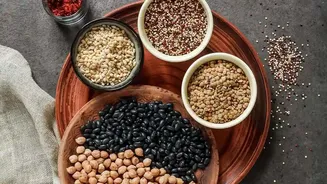
While protein is an essential macronutrient, more is not always better. Many adults already get enough protein through their regular diet. The crucial difference lies in the source. Whole-food proteins like eggs, Greek yogurt, lentils, and nuts come packaged with other essential vitamins, minerals, and fibre. In contrast, many highly processed 'high-protein' snacks can be a mixed bag. Studies have found that these fortified products can also be high in sodium, unhealthy fats, and sugar, effectively cancelling out the benefits of the added protein. A cookie with added protein is, at the end of the day, still a cookie. Over-consumption of protein, particularly from processed sources, can also put a strain on the kidneys over the long term, especially for individuals with pre-existing conditions.
How to Be a Smart Protein Shopper
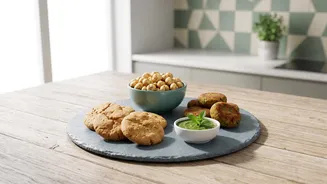
Navigating the protein-packed aisles requires a bit of savvy. The key is to look beyond the flashy claims on the front of the package. Turn the product over and read the full nutrition label. Check for the total amount of protein per serving, but don't stop there. Look at the sugar content, the types of fat, and the length of the ingredients list. Generally, a shorter list with recognizable, whole-food ingredients is a better sign. Don't let a 'high protein' claim distract you from high levels of refined flour or added sugars. Ask yourself if the product is genuinely nutritious or if it's just a less-healthy item with protein powder added to it. Often, reaching for naturally protein-rich foods like a handful of almonds, a serving of chickpeas, or a simple hard-boiled egg is a healthier and more cost-effective choice than a specially marketed protein snack.