







The Green Problem in Green Energy
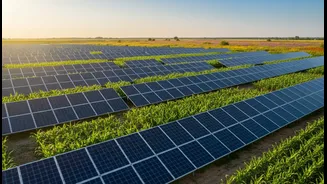
Every large-scale solar installation faces a relentless, low-tech problem: vegetation. Grasses and weeds, if left unchecked, can grow tall enough to cast shadows on solar panels, significantly reducing their energy output. Overgrown plants can also obstruct
access for maintenance crews, become a fire hazard in dry conditions, and create a habitat for pests that might damage wiring. For an industry built on efficiency, this constant botanical battle is a significant operational headache and expense.
The Mechanical Approach and Its Flaws
The traditional solution has been a mechanical one. Fleets of industrial lawnmowers and teams of workers with string trimmers are deployed to keep the vegetation down. This method, however, is rife with problems. The machinery primarily runs on fossil fuels, creating a carbon footprint that works against the very purpose of a green energy site. These machines can also kick up rocks and debris, which can crack or damage the expensive solar panels. Furthermore, heavy mowers compact the soil over time, harming its long-term health and ability to absorb water. In areas with uneven terrain, manual labour becomes even more costly and difficult. Some operators resort to herbicides, but these chemicals can contaminate soil and groundwater, harming local biodiversity.
A Baa-rilliant Alternative: Solar Grazing
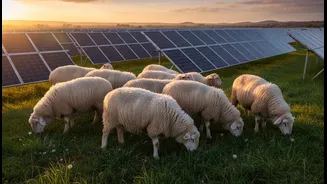
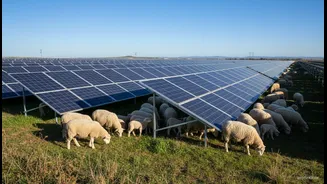
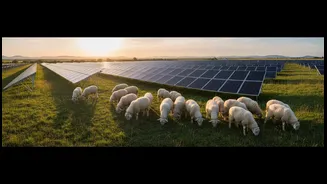
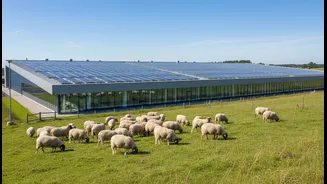
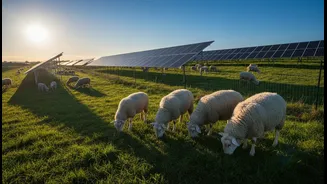
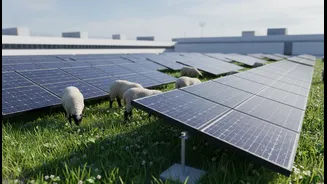
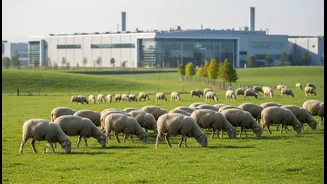
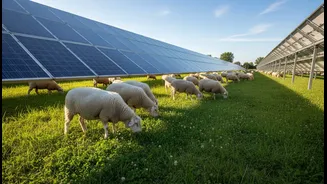
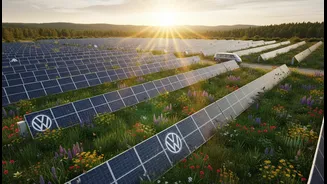
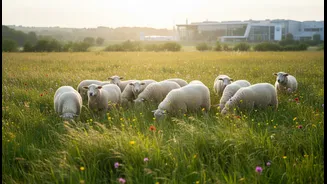
Enter an unlikely hero: the sheep. The practice, known as solar grazing or agrivoltaics, involves using flocks of sheep to manage vegetation on solar sites. Unlike other livestock, sheep are perfectly suited for the job. They are short enough to move easily under the panels without bumping into them, and they show little interest in chewing on wires or climbing on the equipment—a problem often seen with goats. Cows are generally too large and can damage the support structures. Sheep, however, meticulously graze on the grass and weeds, keeping the ground clear and ensuring maximum sunlight reaches the panels.
The Financial and Environmental Fleece
The business case for sheep is compelling. For solar operators, hiring a flock can be significantly cheaper than traditional mowing. Some reports indicate cost savings of anywhere from 20% to over 75% depending on the site. This practice also creates a new revenue stream for local farmers, who are paid for their sheep's grazing services. This fosters a partnership between the renewable energy sector and local agricultural communities. Environmentally, the benefits are even clearer. Sheep have a low carbon footprint, eliminate the need for fossil-fuel-powered mowers, and their manure acts as a natural fertiliser, enriching the soil. Their hooves gently aerate the ground, improving soil structure and water infiltration. This creates a healthier ecosystem that can support more diverse plant life and pollinators.
It's Not All Sunshine and Daisies
Of course, deploying a living workforce has its own set of challenges. Solar grazing requires skilled shepherds to manage the flocks, ensuring they are rotated properly to prevent overgrazing and are kept healthy. The sheep need access to fresh water, which isn't always available on remote sites and may need to be trucked in. Fencing is crucial to protect the sheep from predators like coyotes and domestic dogs. Furthermore, there is a geographical mismatch; many new solar farms are being built in regions that have a low population of sheep and shepherds, creating a supply and demand issue. These logistical hurdles mean that while effective, solar grazing is not a simple plug-and-play solution.