







The Case for Steel-Cut Oats
There's a good reason steel-cut oats are a go-to for health-conscious eaters. They are the least processed form of oats, made by simply cutting the whole oat groat into pieces. This minimal processing preserves their structure, resulting in a lower glycemic
index (GI) compared to their rolled or instant cousins. The glycemic index measures how quickly a food raises blood sugar levels. With a GI score generally in the low 50s, steel-cut oats are digested slowly. This slow digestion is largely thanks to a soluble fiber called beta-glucan, which forms a gel-like substance in the gut. This process not only helps to blunt sharp rises in blood sugar but also keeps you feeling full and satisfied for longer. This slow and steady energy release is why they are often recommended for better blood sugar management and sustained morning energy.
Understanding Glycemic Variability
While the glycemic index of a food is a helpful guide, it doesn't tell the whole story. Enter glycemic variability (GV), which refers to the fluctuations—the peaks and valleys—in your blood sugar levels throughout the day. While some fluctuation is perfectly normal in response to meals, exercise, and even sleep, large and frequent swings are not ideal. Think of it like a coastal tide: gentle, rolling waves are manageable, but jagged, unpredictable ones can cause erosion. High glycemic variability, with its sharp spikes and subsequent crashes, can lead to feelings of fatigue, irritability, and anxiety in the short term. Over time, it's linked to an increased risk of metabolic issues and cardiovascular problems. Therefore, the goal isn't just to eat low-GI foods, but to create meals that promote gentle, rolling hills on your blood sugar graph rather than a rollercoaster ride.
Your Mileage May Vary
One of the most important things to understand about nutrition is that our bodies are not all the same. Two people can eat the exact same bowl of oatmeal and have vastly different blood sugar responses. This individuality is a key part of the blood sugar puzzle. Factors like your genetics, insulin sensitivity, gut microbiome, stress levels, and even how well you slept the night before can all influence how your body processes carbohydrates. This is why some people might feel fantastic after a bowl of plain oats, while others might experience a surprising spike followed by an energy slump a couple of hours later. It highlights that context is everything. What you eat exists within a larger ecosystem of your unique biology and daily habits, making a one-size-fits-all approach to diet less effective than a personalized one.
The Art of the Balanced Bowl
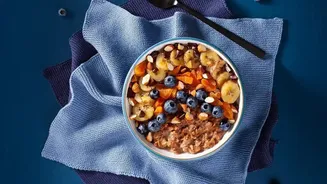
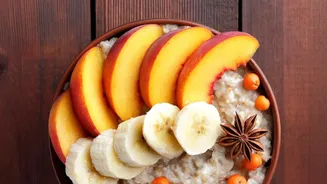
So, how do you enjoy the benefits of steel-cut oats while minimizing glycemic variability? The answer is simple: never let your oats go solo. Because oatmeal is primarily a carbohydrate, eating it alone can still lead to a more pronounced blood sugar rise than you might expect. To flatten that curve, you need to create a balanced meal by adding protein and healthy fats. These macronutrients slow down digestion and the absorption of glucose into the bloodstream. The practical application is delicious. Instead of just water and oats, try making them with milk or stirring in a scoop of Greek yogurt for protein. Top your bowl with nuts, chia seeds, or a spoonful of almond butter for healthy fats and extra fiber. Berries are another excellent addition, providing more fiber and antioxidants with a lower sugar impact than other fruits. This simple strategy transforms your oatmeal from a carb-focused meal into a balanced one that supports stable energy.