



The Science of a Soggy Vegetable
When you boil vegetables, you're submerging them in hot water. This process does two things, and one of them is not ideal. First, the heat softens the cell walls of the vegetable, making it tender. But when left in the water too long, those cell walls completely
collapse, turning the vegetable limp and lifeless. The second issue is waterlogging. The vegetables absorb excess water, which dilutes their natural flavour and contributes to that dreaded mushy texture. Furthermore, boiling causes valuable water-soluble nutrients, like Vitamin C and B vitamins, to leach out into the cooking water. Studies have shown that boiling can reduce the Vitamin C content in vegetables like broccoli and spinach by 50% or more. What you're left with is a vegetable that is not only texturally unappealing but also less nutritious.
The Steaming Solution
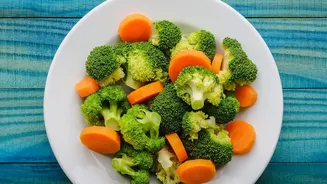
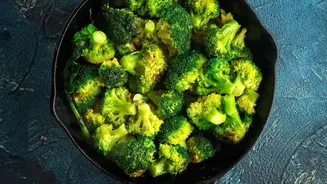
Steaming is arguably the best alternative to boiling for preserving texture and nutrients. Instead of being submerged, the vegetables sit in a basket above simmering water, cooking gently in the hot steam. This method prevents them from becoming waterlogged and helps retain their vibrant colour, natural flavour, and a pleasant, firm bite. Because they aren't in direct contact with the water, far fewer water-soluble vitamins are lost in the process. Most frozen vegetables, which are already partially cooked before freezing, need very little time. Small vegetables like peas and corn may only need two to five minutes, while larger florets of broccoli or cauliflower take about five to seven minutes.
The Roasting Revolution
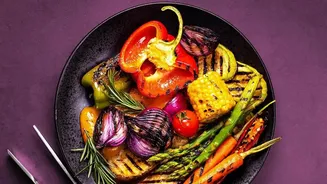
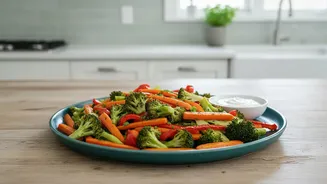
For a completely different and delicious result, try roasting your frozen vegetables. This method draws moisture out, concentrating the flavour and creating a wonderfully crispy, caramelized exterior. The key is to use high heat, typically between 205°C and 230°C (400°F to 450°F). Do not thaw the vegetables first; cooking them straight from frozen is essential to avoid sogginess. Toss them in a bit of oil and your favourite seasonings, then spread them in a single, uncrowded layer on a baking sheet. Overcrowding the pan will cause the vegetables to steam instead of roast, defeating the purpose. Roasting for 15 to 25 minutes, flipping halfway through, will transform your frozen veggies into a side dish that could easily become the star of the meal.
A Quick and Flavourful Sauté
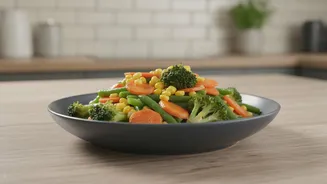
Sautéing is another fantastic way to cook frozen vegetables quickly while maintaining good texture. The trick is to get your pan nice and hot over a medium-high heat before adding the vegetables. Add a little oil or butter, then toss in the frozen vegetables directly from the bag. The high initial heat helps evaporate any excess moisture from the ice crystals quickly, allowing the vegetables to sear rather than steam. Cook uncovered for five to seven minutes, stirring occasionally, until they are tender-crisp. This method is perfect for adding frozen mixed vegetables to stir-fries or serving as a simple, seasoned side dish.