




The Age of 'More'
Not long ago, a carmaker's strength was measured by the breadth of its portfolio. A brand like Volkswagen, along with its siblings Audi, Skoda, and Porsche, aimed to have a vehicle for every niche and price point. This strategy of 'hyper-segmentation'
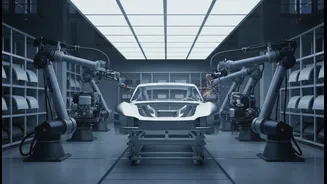
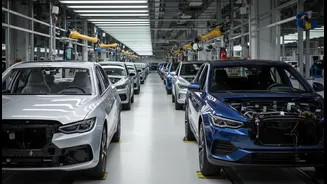
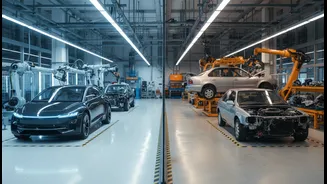
was fueled by globalization and the desire to capture market share in every corner of the world. The logic was that more choice would lead to more sales. This approach, however, created immense complexity. Offering hundreds of models, each with countless trim and equipment combinations, inflated costs in engineering, manufacturing, and logistics. This complexity became a hidden drag on profitability, with niche, low-volume models often being secretly unprofitable.
Volkswagen's New 'Less is More' Playbook
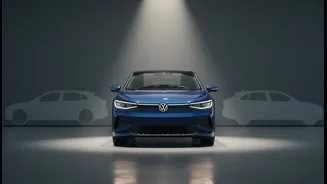
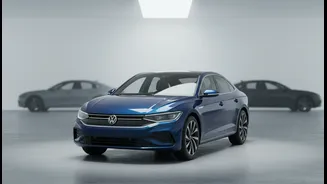
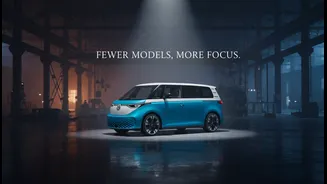
In a radical departure, the Volkswagen Group has announced plans to slash its global vehicle lineup by as much as 50% and reduce the number of equipment combinations by up to 75%. This is the core of a new performance program designed to improve earnings by around 10 billion euros by 2026. CEO Thomas Schäfer has made it clear that the company must become simpler, faster, and more profitable. The plan involves discontinuing less popular models, especially in crowded segments in Europe and China, and focusing investment on the most attractive and profitable vehicles. This isn't just about cutting a few cars; it's a fundamental realignment of the business model, aimed at reducing complexity at every level of the organization.
The Electric Imperative
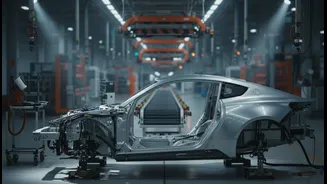
The primary driver behind this strategic pivot is the colossal cost of transitioning to electric vehicles (EVs). Developing new EV platforms, battery technology, and software from the ground up requires tens of billions of euros in investment. Legacy automakers like VW are in a tough spot: they must fund this electric future while still managing the decline of their profitable internal combustion engine (ICE) business. The losses on early-generation EVs are significant. To free up the necessary capital, something has to give. By simplifying its portfolio, Volkswagen can reduce its R&D and production costs, channeling those savings directly into the development of its next-generation electric cars and software platforms.
A Calculated Risk for a Changing Market
While the strategy is financially sound, it's not without risks. Will shedding models alienate loyal customers who can no longer find their preferred vehicle? Volkswagen is betting that the market has changed. The goal is to focus on high-volume, high-margin segments—primarily SUVs and core global models—where the majority of profit is made anyway. The company is also facing intense pressure from new, highly efficient competitors, particularly from China, who have built their businesses on simpler, platform-based approaches with fewer models. By adopting a similar lean philosophy, Volkswagen aims to become more agile and competitive, accelerating development times and getting new vehicles to market faster. This is a broader industry trend, with many manufacturers quietly simplifying architectures to manage costs in a high-inflation, high-competition environment.