


The Soul of the Dish: Core Ingredients
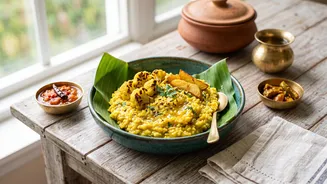
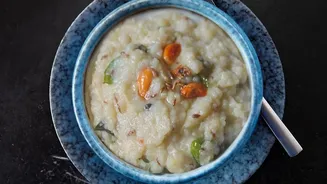
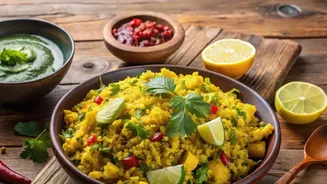
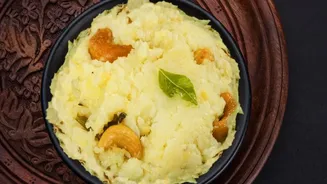
The magic of Bhoger Khichuri begins with its foundational elements, which are deceptively simple yet critically important. The primary ingredient is Gobindobhog rice, a short-grained, aromatic variety native to West Bengal. Unlike long-grained Basmati,
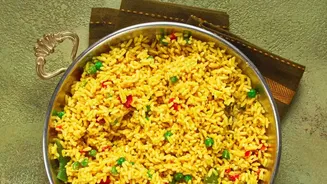
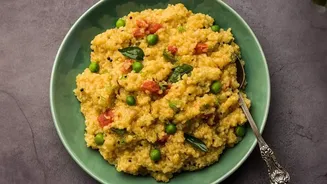
Gobindobhog has a subtle, buttery fragrance and a sticky texture when cooked, which gives the khichuri its characteristic comforting consistency. The second star is Sona Moong dal, which is dry-roasted before being cooked. This crucial step imparts a deep, nutty aroma and flavour that is the hallmark of a true Bhoger Khichuri. This roasted dal provides a flavour profile entirely different from regular homemade khichdi. Together, this specific rice and roasted dal combination creates a base that is both fragrant and flavourful, setting it apart from any other version.
The Purity of Flavour: No Onion, No Garlic
One of the most defining characteristics of Bhoger Khichuri is that it is 'Niramish', meaning it is cooked without any onion or garlic. As the khichuri is first offered to the goddess as 'bhog' (a divine offering), it adheres to sattvic principles of cooking, which exclude these pungent ingredients. Instead of relying on them for flavour, the dish builds its taste on a foundation of aromatic spices and ginger. Generous amounts of ghee, or clarified butter, add a rich, luxurious mouthfeel and nutty depth. A tempering of whole spices like bay leaves, cinnamon, cloves, and cardamom in mustard oil or ghee creates the initial layer of fragrance. This absence of onion and garlic allows the subtler flavours of the roasted dal, aromatic rice, and spices to shine through distinctly.
The Art of Slow Cooking and Vegetables
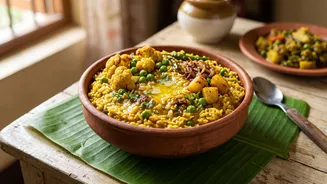
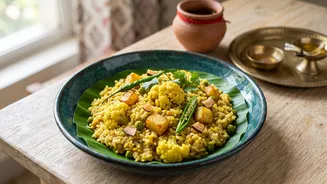
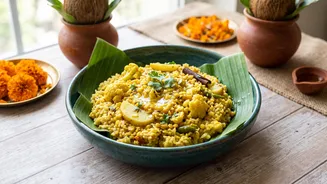
Bhoger Khichuri is never a rushed affair. It is traditionally slow-cooked in large cauldrons or 'handis', allowing the rice and lentils to break down gradually and meld together into a porridge-like consistency that is neither too thick nor too watery. This slow simmering process ensures every grain is infused with the surrounding spices. Often, chunks of vegetables like potatoes, cauliflower, and green peas are added to the pot. These vegetables are usually fried in mustard oil beforehand until golden brown, which helps them hold their shape while absorbing the flavours of the khichuri. Some recipes also include additions like cashews and raisins, which lend sweetness and texture to the final dish.
More Than Food: The 'Bhog' and Community Spirit
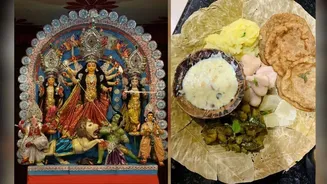
Ultimately, what elevates this dish beyond its ingredients is its spiritual and cultural context. The khichuri is first and foremost 'bhog'—a sacred offering made with devotion to Goddess Durga. This act of consecration imbues the food with a special significance. Once offered to the deity, it becomes 'prasad', or blessed food, which is then distributed to devotees. The experience of eating this khichuri in a bustling pandal, served on a 'salpata' (sal leaf) plate, surrounded by community, adds an intangible element of joy and togetherness. It's a taste of shared celebration, connecting everyone from the cooks to the devotees in a collective act of faith and festivity.
The Perfect Companions
No plate of Bhoger Khichuri is complete without its traditional accompaniments, which are designed to complement its soft texture and mild spice. The most common partner is 'labra', a mishmash of various vegetables cooked with panch phoran (Bengali five-spice blend). Another essential is 'beguni' (batter-fried eggplant slices) or other types of 'bhaja' (fritters), which provide a delightful crispy contrast. To cut through the richness, a sweet and tangy tomato and date chutney is often served alongside. This complete platter offers a symphony of textures and flavours—soft, crispy, savoury, and sweet—making each spoonful a complete and satisfying experience.