





The Spiritual Heart of the Lake
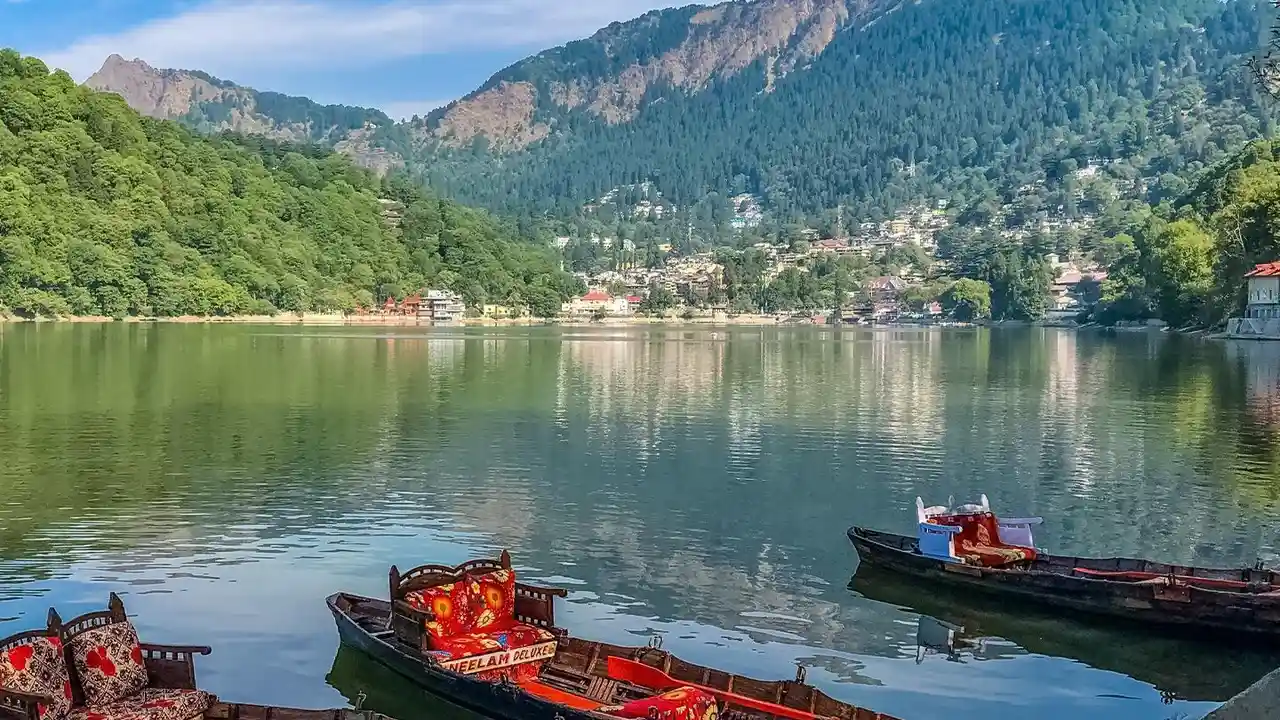
Any heritage exploration of Nainital must begin at its mythological core: the Naina Devi Temple. Perched on the northern shore of the lake, this revered Shakti Peeth is believed to mark the spot where the eyes (or 'nain') of the goddess Sati fell, giving
the town and the lake their names. While the original temple from the 15th century was lost in the devastating landslide of 1880, it was rebuilt with immense faith in 1883. Today, its white structure stands as a spiritual anchor, its bells mingling with the sounds of the bustling Tibetan market nearby. Standing at the entrance, flanked by two stone lions, you are at the genesis of Nainital's identity, making it the perfect starting point for a journey through time.
A Stroll Down Colonial Memory Lane
From the temple, make your way to The Mall, now officially named Govind Ballabh Pant Marg. This 1.5-kilometre promenade, running parallel to the lake, was constructed by the British between 1841 and 1885. It was designed as a place for colonial officers and their families to enjoy leisurely strolls, a tradition that continues with visitors today. As you walk from Mallital (the head of the lake) towards Tallital (the foot), you are treading on a path that was once the epicentre of British social life in their summer capital. The buildings that line the road, many now hotels and shops, still retain echoes of colonial architecture, with their gabled roofs and stone facades offering glimpses into a bygone era.
The Grandeur of the Raj
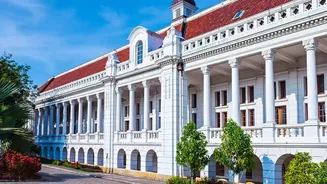
Along The Mall and on the slopes above, you'll find architectural testaments to the British Raj. While many are now private properties or hotels, their exteriors speak volumes. The Grand Hotel, with its colonial structure, and the former Nainital Club building are prime examples. The Nainital Club itself was once one of the most exclusive British clubs in India, offering its members a slice of English life in the hills. Nearby, The Flats, a large open ground at the northern end, serves as the town's main public space for sports and cultural events. This area was dramatically formed after the 1880 landslide flattened the landscape, forever changing the town's geography and becoming a central part of its public life.
A Legacy of Leisure: The Yacht Club
No landmark better represents Nainital's unique colonial legacy than the Nainital Yacht Club (N.Y.Y.C.), housed within the Boat House Club. Established in 1910 by the Carey brothers, it holds the distinction of being among the highest yacht clubs in the world. The club's iconic red-roofed building on the lakefront is a sight to behold. For years, sailing was an exclusive privilege of its members. The yachts themselves, known as 'Linton Hope Half-Raters', were specifically designed for the wind conditions of Naini Lake in the early 1900s. While the club remains private, its presence is a powerful reminder of the leisurely, anglicised lifestyle the British created in this mountain refuge.
Solitude in the Wilderness
Veering away from the main bustle of Mallital, a short walk will lead you to St. John in the Wilderness Church. Established in 1844, it is one of the earliest buildings in Nainital. The church earned its name when the Bishop of Calcutta, Daniel Wilson, fell ill while visiting to lay the foundation and had to stay in an unfinished cabin in the forest. This serene neo-Gothic structure is nestled amidst a dense deodar forest, creating an atmosphere of profound peace. Inside, beautiful stained-glass windows from Belgium catch the light, while a brass plaque on the altar memorialises the victims of the 1880 landslide, a somber and poignant link to the town’s most tragic event. The quiet graveyard is a history book in itself, with tombstones dating back to the town's earliest days.