





The Blazing Sales Numbers
The clearest signal of India's clean commute shift comes from the record-breaking sales figures for June 2026. According to data from the Federation of Automobile Dealers Associations (FADA), retail sales of electric vehicles (EVs) hit an all-time high,
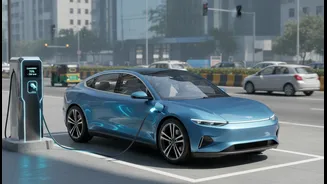
surging by nearly 63% compared to the same month last year. In total, over 306,000 EVs were sold in June alone. The growth is not just a small jump but a monumental leap. Electric passenger vehicle sales more than doubled, showing a staggering 108% year-on-year increase with 31,823 units sold. This pushed the EV market share in the passenger vehicle segment to a new high of 7.7%. This broad-based growth across all segments demonstrates that the move towards electrification is no longer a fringe trend but a powerful market force.
Two-Wheelers Lead the Electric Charge
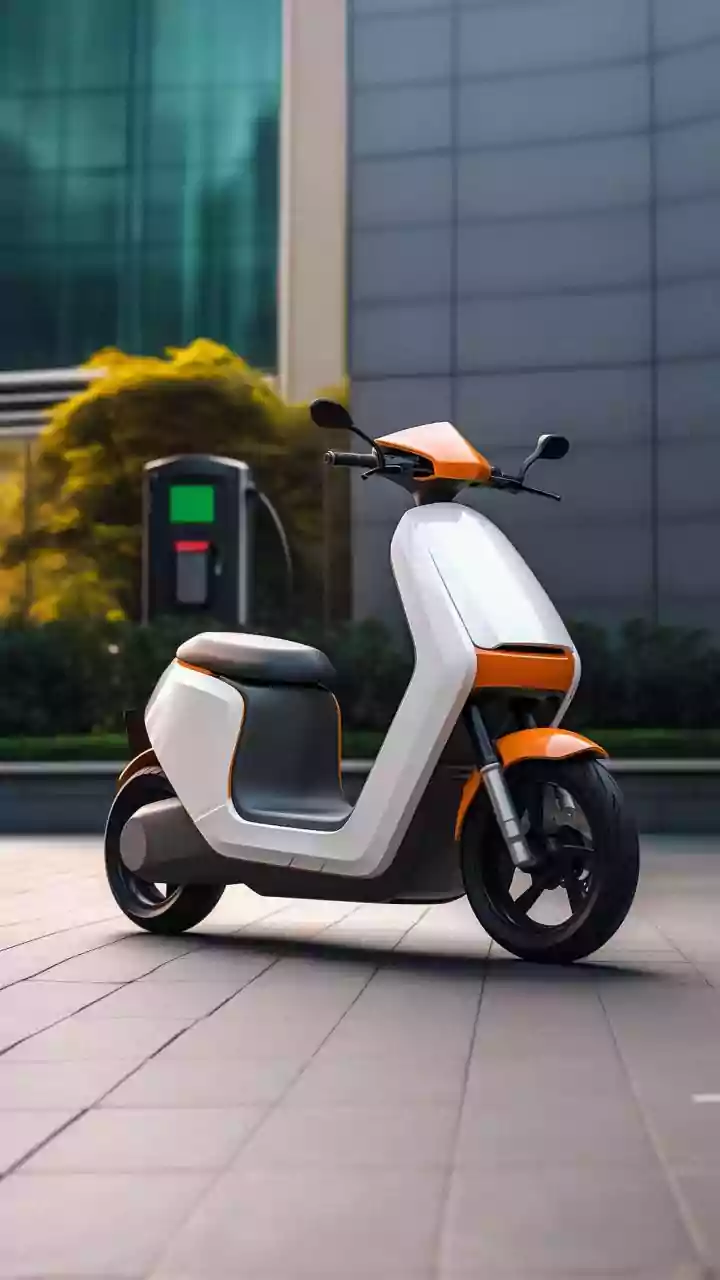
While growth is evident across the board, India's EV story is overwhelmingly being written on two wheels. The electric two-wheeler segment is the engine of this transformation, accounting for the lion's share of EV sales. In June 2026, retail sales of electric two-wheelers jumped by an impressive 75% year-on-year, with over 193,000 units sold. This pushed the EV penetration in the crucial two-wheeler market into double digits for the first time, reaching 10.6%. This segment is particularly vital for India, where scooters and motorcycles are the primary mode of personal transport for millions. The lower running costs, combined with government incentives and a growing number of models from players like TVS Motor, Bajaj Auto, and Ather Energy, are making electric scooters a compelling choice for daily commuters.
What's Fuelling This Growth?
Several factors are converging to create this perfect storm for EV adoption. Government policy has been a critical catalyst, with schemes like FAME (Faster Adoption and Manufacturing of Electric Vehicles) and various state-level subsidies making EVs more affordable. Persistently high prices for petrol and diesel have also made the lower running costs of EVs extremely attractive to cost-conscious Indian consumers. Furthermore, the market is maturing. There is now a wider variety of electric models available to suit different needs and budgets, from mass-market scooters to premium electric SUVs from brands like Tata Motors, Mahindra & Mahindra, and even luxury players like BMW and Mercedes-Benz. This combination of policy support, favourable economics, and greater consumer choice is accelerating the transition.
The Road Ahead: Challenges Remain
Despite the celebratory sales figures, the road to full electrification is not without its bumps. The most significant hurdle remains the charging infrastructure, which is still underdeveloped in many parts of the country, especially outside of major metropolitan areas. This lack of widespread, reliable charging stations fuels 'range anxiety' among potential buyers. The higher upfront cost of EVs compared to their internal combustion engine (ICE) counterparts is another major barrier, particularly for four-wheelers, even with subsidies. Other issues include reliance on imported components like battery cells and the need for a more robust and standardized supply chain to support domestic manufacturing. Overcoming these challenges will be crucial to sustaining the current momentum.