






What Is a Warm Ginger Compress?
A ginger compress is a form of heat therapy where a towel is soaked in hot water infused with fresh ginger and applied to the skin. This method has been used for centuries in traditional and folk medicine practices to deliver targeted warmth to specific
areas of the body. The goal is to stimulate circulation and ease discomfort in the underlying tissues. It’s often used to help with muscle soreness, backaches, and joint stiffness. The combination of heat and the properties of ginger is thought to relieve tension and promote a sense of relaxation.
The Potential Wellness Benefits
Ginger is well-known for its anti-inflammatory properties when consumed, and applying it topically is believed to offer similar benefits. Practitioners use ginger compresses to address a variety of issues, including localized pain, swelling, and inflammatory conditions like arthritis or bronchitis. The warmth from the compress helps to relax tense muscles, while the ginger is thought to stimulate blood flow, which can aid in reducing pain and breaking up internal congestion. Studies have noted it may be particularly effective for relieving menstrual pain, back pain, and general muscle aches.
How to Prepare the Compress
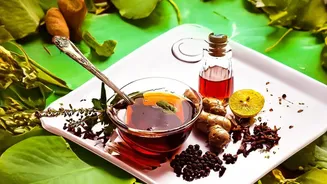
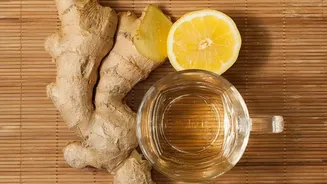
Making a ginger compress is simple. You will need a large piece of fresh ginger root (about 4-5 inches), a large pot with about two litres of water, a cheese grater, a cotton cloth or cheesecloth, and two or three towels. Start by bringing the water to a near boil and then reducing it to a simmer. While the water is heating, finely grate the fresh ginger. Place the grated ginger into the cheesecloth, tie it securely, and submerge it in the hot water. Let it simmer for about five to ten minutes to allow the ginger's essence to infuse the water. Do not let the water continue to boil.
The Critical Safety Check: Temperature
The most significant risk with a ginger compress is burning the skin. The water should be hot, but not scalding. Before applying the compress, you must test the temperature. After dipping a towel into the ginger water, carefully wring out the excess liquid using tongs or rubber gloves to protect your hands. Let the towel cool for a moment by shaking it gently. Then, test the temperature on a less sensitive part of your body, like your inner forearm, before placing it on the target area. It should feel comfortably warm, not painfully hot.
The Second Safety Check: Skin Sensitivity
Ginger itself can cause skin irritation or an allergic reaction in some individuals. Before your first full session, it is wise to perform a patch test. Apply a small amount of the cooled ginger water to a discreet patch of skin, such as the crook of your elbow or behind your ear. Cover it and wait for at least 24 hours to see if any redness, itching, or irritation develops. If you have a history of sensitive skin or conditions like neurodermatitis, this step is especially crucial, and some sources recommend avoiding ginger compresses altogether in such cases.
Applying and Using the Compress
Once you've confirmed the temperature is safe and your skin is not reactive, you can apply the compress. Place the warm, damp towel directly on the affected area. Cover it with a dry towel to help retain the heat. Leave the compress in place for 15 to 20 minutes, or until it cools down. You can re-soak the towel in the warm ginger water and repeat the process several times. When you are finished, pat the area dry. The ginger-infused water can typically be refrigerated and reused once or twice within 24 hours by reheating it to a simmer.
When to Avoid Ginger Compresses
While generally considered safe when done correctly, there are times to avoid this treatment. Do not use a ginger compress on open wounds, rashes, or broken skin. It should also be avoided if you have a high fever. People with bleeding disorders or those taking blood-thinning medications should exercise caution, as ginger may increase the risk of bleeding. Additionally, individuals with certain heart conditions or those on medication for high blood pressure should consult their doctor, as ginger can affect blood pressure and circulation. Pregnant women should also seek medical advice before use.