


The Cardinal Sin: Never Use Dry Threads
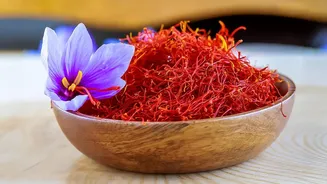
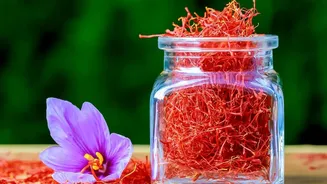
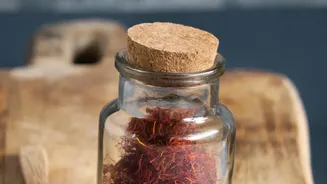
The most common mistake when using saffron is tossing the dry threads directly into your dish. This is like expecting a tea bag to flavour a whole pot by just sitting on top. Saffron's precious compounds for colour (crocin) and aroma (safranal) are locked
within the dried threads. They need to be coaxed out with liquid. Without this crucial step, known as blooming, you'll get weak, streaky colour and waste most of the spice's potential. The fix is simple: always hydrate the threads before they meet the main event. This creates a concentrated liquid that disperses evenly, giving you that glorious, consistent golden shade.
The Art of Blooming: Liquid and Temperature
Blooming saffron is the process of steeping it in liquid to release its colour and flavour. The choice of liquid and its temperature are key. For most savoury dishes like pulao, paella, or risotto, warm water or broth is perfect. For desserts and milky dishes like kheer or saffron lattes, warm milk is the ideal choice as fat helps carry the aroma. The crucial rule is to use warm, not boiling, liquid. Water that is too hot can destroy the delicate aromatic compounds, giving you great colour but a flatter fragrance. Aim for a temperature that is comfortably warm to the touch, and let the saffron steep for at least 15-20 minutes in a covered bowl to trap the aroma.
To Grind or Not to Grind?
To get the most out of your saffron, a light crush before blooming makes a significant difference. Grinding the threads into a coarse powder with a mortar and pestle increases the surface area, allowing the liquid to penetrate more effectively and release more colour. A common trick is to add a tiny pinch of sugar or coarse salt while grinding; this acts as an abrasive and helps break down the threads into a finer powder. However, you don't want to turn it into dust. Over-grinding, especially in a machine, can generate heat and diminish the aroma. Buying pre-ground saffron powder is often discouraged, as it loses its potency faster and can sometimes be adulterated with other spices like turmeric. Whole threads that you grind yourself guarantee purity and a much richer flavour.
An Expert Trick: The Ice Cube Method
A popular technique among chefs, sometimes called the 'Ottolenghi trick', involves using cold instead of heat. After grinding your saffron threads, place them in a small bowl and put an ice cube directly on top. As the ice melts slowly, the cold water gently extracts the colour and flavour compounds without any risk of heat damage. Many believe this slower, gentler infusion results in a deeper, more brilliant colour and a more complex aroma compared to the hot water method. While it takes longer for the ice to melt completely, it's a fantastic, foolproof method if you have the time. Once melted, simply give the golden liquid a stir and it's ready to use.
Timing and Distribution Are Everything
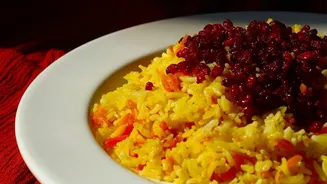
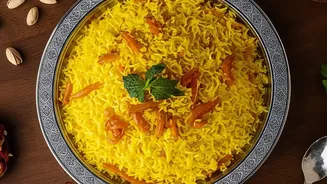
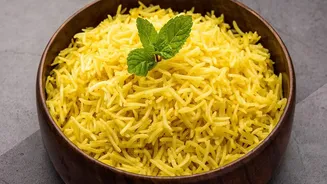
Once you have your beautiful, bloomed saffron liquid, when and how you add it matters. For long-simmering dishes, adding saffron at the very beginning can cause its delicate aroma to cook off and dissipate. It's often best to stir the infused liquid in toward the end of the cooking process to preserve its fragrance. When it comes to rice dishes like biryani, a classic technique is to drizzle the saffron liquid over the top layer of rice just before the final steaming (or 'dum'). This allows the colour and aroma to gently permeate downwards, creating distinct but well-distributed golden grains. For risottos or paellas, the saffron liquid is typically added along with the stock to colour the entire dish uniformly from the start.