





Understanding Clove’s Potent Personality
Clove is the dried, unopened flower bud of an evergreen tree native to Indonesia's Spice Islands. Its famously strong character comes from a compound called eugenol, which delivers a potent combination of sweet, warm, peppery, and slightly bitter notes.
This intensity is why clove is often described as pungent and aromatic; its flavour is so distinct that even a small amount makes a big statement in any dish. While this strength is its greatest asset, it's also why it must be used with care. Unlike milder spices, clove doesn't blend into the background easily. Its flavour profile is designed to be noticed, which means the baker's job is to control just how much attention it gets.
The Art of Subtle Support
The secret to successfully baking with cloves lies in viewing it as a harmony note, not the lead vocal. Its purpose in most sweet recipes is to enhance and add depth to other flavours. Think of it as the ingredient that makes people ask, “What is that delicious, warm flavour in the background?” Clove has a unique ability to make sweet dishes more complex. When paired correctly, it can cut through richness, complement fruit, and provide a sophisticated warmth that elevates a simple bake into something special. The goal is not to create a 'clove cookie'—unless that is the specific intent—but to use its assertive notes to make the primary flavours of apple, pumpkin, or chocolate sing more vibrantly. Using it sparingly allows its subtle, fruity, and woody undertones to emerge without the dominant, almost medicinal, flavour that can result from overuse.
Perfect Pairings for Sweet Dishes
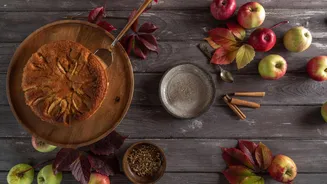
Clove is a team player when matched with the right partners. Its warm profile is a natural fit for classic autumn and winter baking. It pairs beautifully with fruits like apple, pear, and orange, where it adds a spicy counterpoint to their sweetness. It is an essential component in pumpkin-based desserts, like pies and cakes, often as part of a classic pumpkin pie spice blend alongside cinnamon, nutmeg, and ginger. These other warm spices are clove’s best friends; they help mellow its intensity and create a more rounded, harmonious spice profile. Don’t overlook less obvious pairings either. A tiny pinch of ground cloves can add surprising depth to chocolate brownies or hot cocoa, and it works wonderfully with the rich, deep flavour of molasses in gingerbread.
Practical Tips for the Home Baker
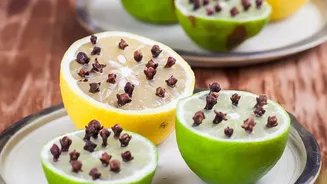
To avoid overpowering your desserts, precision is key. A common guideline for baked goods is to start with just a quarter teaspoon of ground cloves per two cups of flour. It’s always easier to add more than to take it away. When possible, buy whole cloves and grind them yourself for the freshest, most potent flavour. Remember that pre-ground cloves lose their intensity over time, though they are convenient. If a recipe calls for whole cloves, like when infusing a syrup or poaching fruit, be sure to remove them before serving, as biting into one is an unpleasantly woody and bitter experience. For batters and doughs, ground cloves are better as they distribute flavour evenly. A good rule of thumb is that three-quarters of a teaspoon of ground cloves is roughly equivalent to one teaspoon of whole cloves.
Simple Bakes to Begin Your Exploration
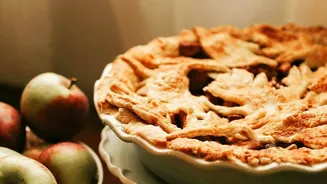
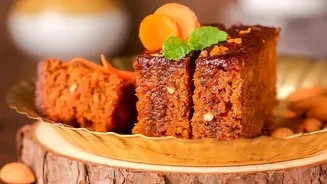
If you're new to baking with clove, start with recipes where it plays a clear supporting role. An apple crumble or crisp is a perfect starting point. The tartness of the apples stands up well to the spice, and you can add a small pinch of ground cloves to the fruit filling or the oat topping. Spiced cookies are another excellent way to experiment; a recipe for simple clove cookies or gingerbread allows you to see how it interacts with sugar and butter. A pumpkin loaf or spice cake is also a forgiving canvas, as the clove is part of a larger blend that includes cinnamon and nutmeg, making it harder to overdo. These recipes demonstrate how a little bit of clove can provide a deep, comforting warmth that defines seasonal baking.