




A Nutrient-Dense Powerhouse
Before you even get to their taste, it's worth knowing that beet greens are one of the most nutritious parts of the plant. In fact, some sources suggest they have a higher nutritional value than the beetroot itself. They are packed with vitamins A, C,
and K, offering significant portions of your daily recommended intake. Vitamin K is essential for bone health, while vitamin C is a powerful antioxidant that supports the immune system. The greens are also rich in minerals like iron, potassium, magnesium, and manganese. With a higher iron content than spinach, they are a fantastic way to boost your intake of this vital mineral. Despite this density of nutrients, they are low in calories, making them an excellent addition to any healthy diet.
Storing and Prepping for Success
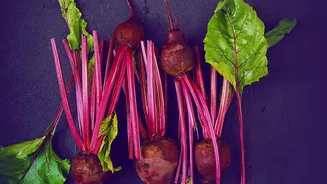
To get the most out of your greens, a little care is needed when you get them home. The first step is to separate the leaves from the beetroots. If left attached, the greens will pull moisture from the roots, causing both to wilt faster. Once separated, give the greens a thorough wash, as they can often be gritty with dirt. You can store them by wrapping them in a damp paper towel and placing them in a sealed bag in your refrigerator’s crisper drawer for several days. When you're ready to cook, don't discard the colorful stems. They are perfectly edible and have a pleasant, crunchy texture similar to Swiss chard. Just be sure to chop them finely and start cooking them a minute or two before you add the more delicate leaves, as they take longer to soften.
Beyond the Basic Sauté
While a simple sauté with garlic and olive oil is a classic and delicious way to prepare beet greens, it’s only the beginning. Their mild, sweet, and slightly earthy flavor makes them incredibly versatile. Young, tender leaves can be eaten raw and make a fantastic addition to salads, adding a different flavor profile than your usual lettuce or spinach. Their taste is often compared to Swiss chard but sweeter than kale, with a silky texture once cooked. The following ideas offer a fresh look at turning this humble vegetable top into the star of the dish.
Whizz into a Vibrant Pesto
Just like basil or radish tops, beet greens can be transformed into a stunning and flavorful pesto. Their earthy notes pair beautifully with garlic, parmesan, pine nuts (or walnuts), and a good quality olive oil. This beet leaf pesto can be tossed with pasta, spread on sandwiches, or used as a topping for grilled chicken or fish. It's a fantastic way to use a large bunch of greens and creates a versatile condiment you can use for days.
Blend into Smoothies and Soups
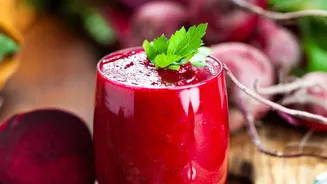
For a concentrated nutrient boost, add a handful of raw beet greens to your morning smoothie. Their mild flavor means they blend well with fruits like berries, bananas, or pineapple without overpowering the taste. This is an easy way to get a dose of vitamins and minerals first thing in the morning. You can also add chopped greens to soups and stews. Stir them in during the final few minutes of cooking so they wilt down but retain their vibrant color and nutrients, adding a lovely, silky texture to lentil soups or hearty stews.
Fold into Eggs and Grain Bowls
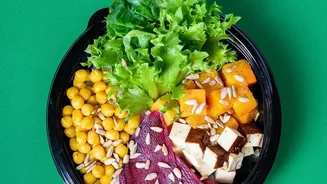
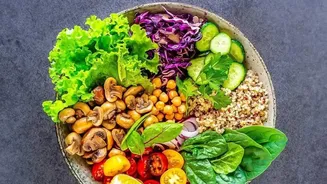
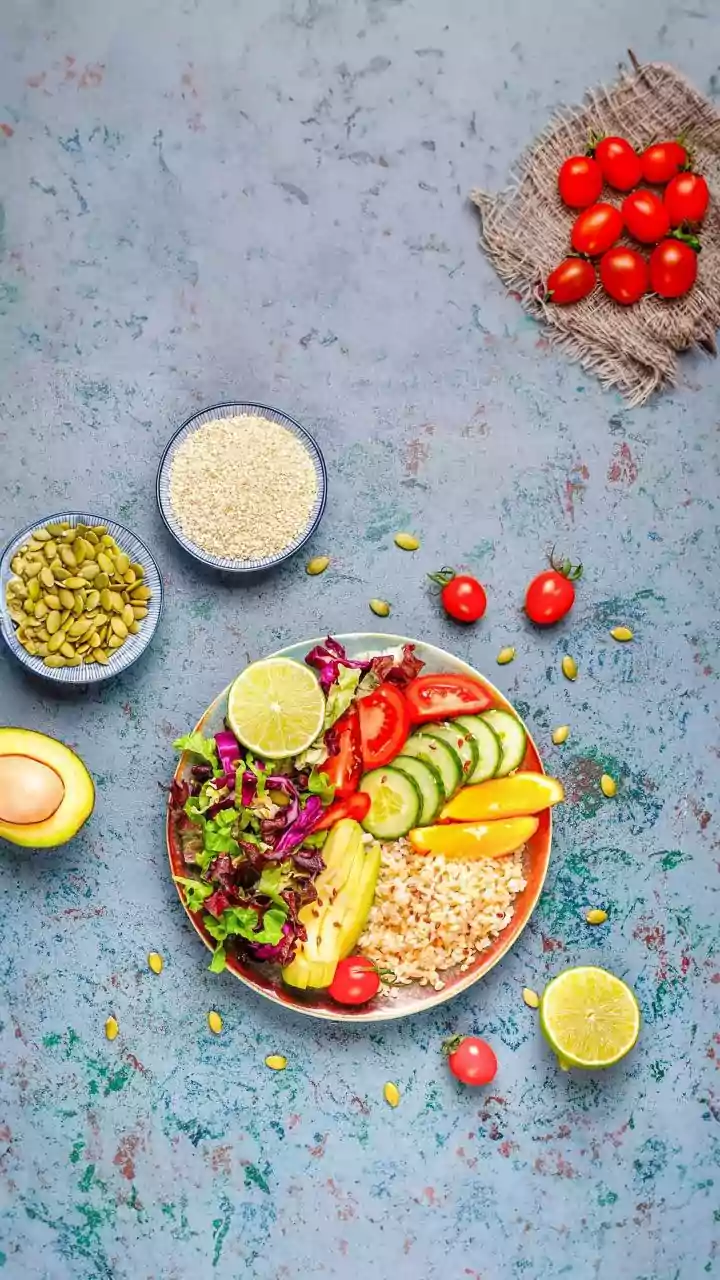
Sautéed beet greens are a perfect companion for eggs. Fold them into omelets, frittatas, or scrambled eggs for a simple, protein-packed breakfast or brunch. They also make a wonderful component in grain bowls. Start with a base of quinoa, farro, or rice, then top with wilted beet greens, a protein like roasted chickpeas or grilled tofu, and finish with a flavorful sauce. The combination of textures and earthy flavors elevates a simple meal into something special.